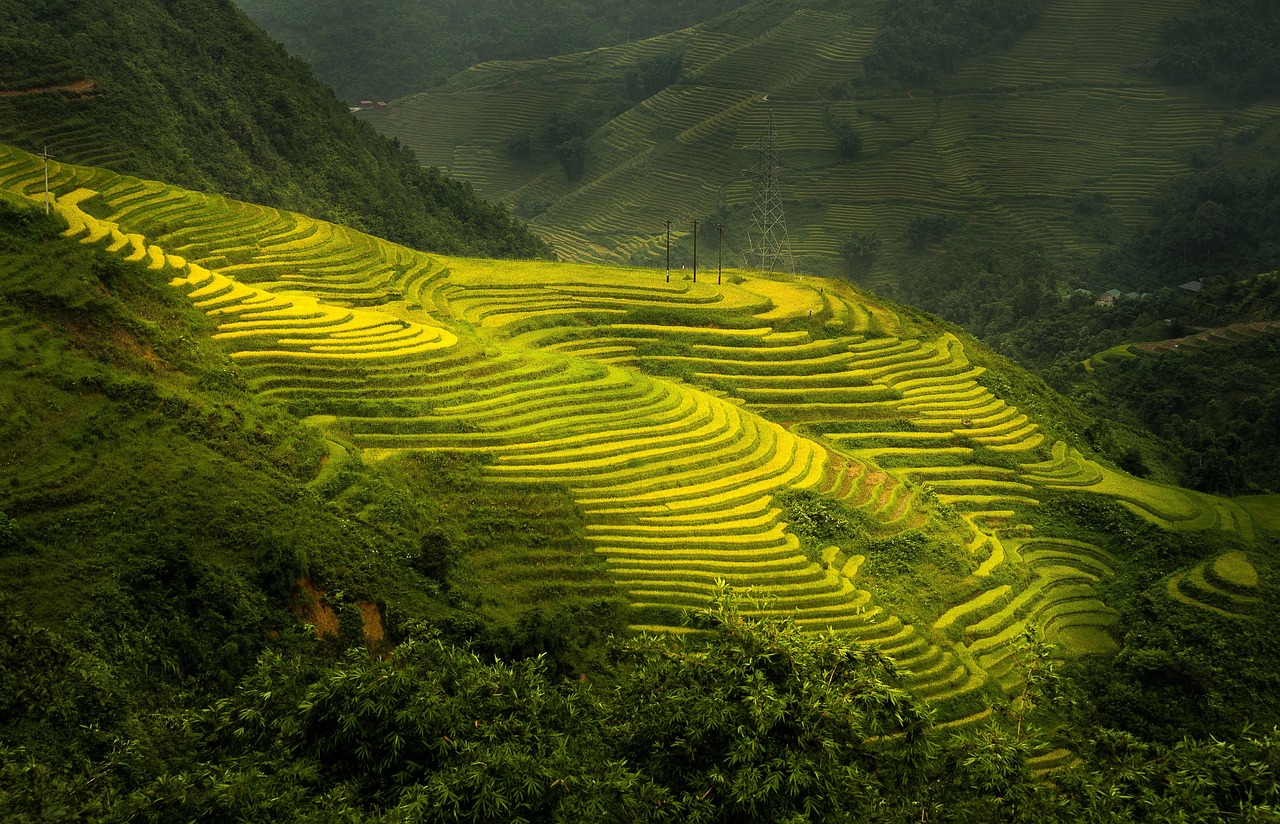

Hue gets about eighteen hours from most travellers. You arrive from Hoi An, look at the Citadel, eat something excellent, take a boat on the Perfume River, and leave for Phong Nha the next morning.
That itinerary is not wrong, but it produces a strange verdict: people describe Hue as “pleasant but sleepy” and move on. Sleepy is exactly the point if you are working. Hue is the calmest of Vietnam’s significant cities, and for a particular kind of stay it is close to ideal.
What Hue actually is
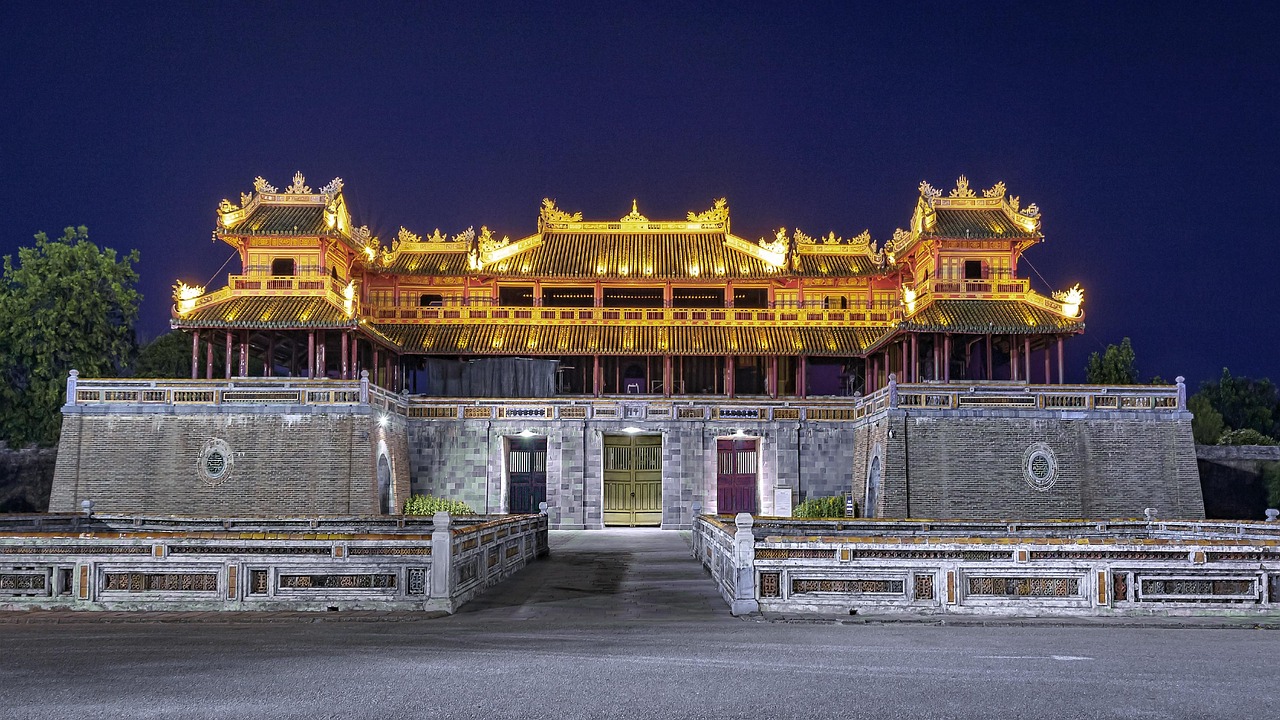
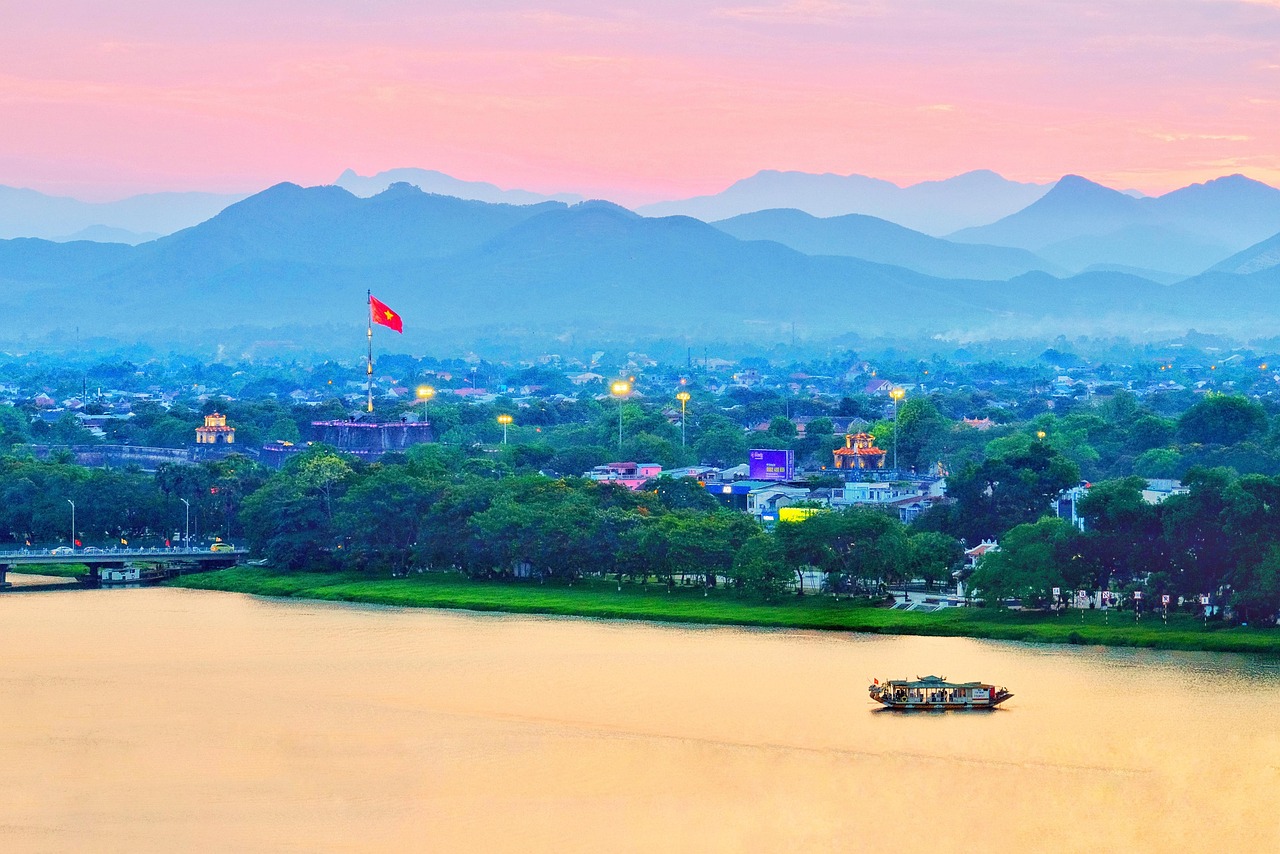
It was the imperial capital for over a century, and it still carries itself that way — more formal than Da Nang, more reserved than Hanoi, prouder of its food than anywhere else in the country. The river splits it: the Citadel and old city on the north bank, the newer commercial and hotel districts on the south.
It is small enough to cross in fifteen minutes and large enough to have everything — hospitals, a university, real markets, an airport nearby, and a train station on the main north–south line.
Working here
Hue does not have Da Nang’s coworking density. What it does have is a serious café culture built around a large student population, which means quiet places with reliable wifi at low prices, all day, without anyone rushing you. For a writer, developer or designer working solo, that covers most of what a coworking membership would.
What you give up is the professional network. There is no meaningful nomad scene here in the way there is in Da Nang or Ho Chi Minh City. If your work depends on meeting people, Hue will feel isolating — and that is the single most important thing to know before booking a month. Our guides to the Da Nang community and the Ho Chi Minh City scene describe the alternative.
The food argument
Hue has the strongest regional cuisine in Vietnam and locals will tell you so within an hour of your arrival. Bun bo Hue is the famous one and it is genuinely better here. The imperial tradition also left behind a whole category of small, precise dishes that exist almost nowhere else.
Portions are smaller, spice levels are higher, and eating well costs very little. If food is a large part of why you travel, this alone justifies a longer stay — see our guide to Vietnamese food for the wider picture.
The weather, which you must plan around
This is the catch. Hue is one of the wettest cities in Vietnam, and the rainy months are not a series of afternoon showers — they are sustained, heavy, and occasionally accompanied by flooding. Roughly speaking, the autumn and early winter stretch is the difficult period, and the spring months are the reward.
Plan your stay in the dry window and Hue is delightful. Arrive at the wrong point in the calendar and you will spend a fortnight indoors. Our seasonal guide by region is worth checking before you commit.
Cost
Hue is cheaper than Da Nang, considerably cheaper than Ho Chi Minh City, and about as inexpensive as a real city gets in Vietnam. Rent, food and coffee all sit at the low end of the national range, largely because there is little foreign demand pushing prices up. Our monthly budget breakdown gives you the framework to compare properly.
Who Hue suits
It suits people with a project. If you are writing something, building something, or recovering from somewhere louder, the combination of low cost, low stimulation and good food is hard to beat. It also suits second-time visitors who have already done the Da Nang and Hoi An circuit and want somewhere with more depth and less turnover.
It does not suit people who need company by default, who want a beach, or who are only in Vietnam for a few weeks. For a first trip, Da Nang or Hoi An is the safer choice.
Fitting it into a longer route
Hue works best as one stop in a slower circuit rather than a destination on its own — it pairs naturally with Hoi An to the south and Phong Nha’s caves to the north, and the train between them is one of the best rail journeys in the country. Our transport guide covers the practicalities.
If you like the idea of a quiet base but not the isolation, the pattern that tends to work is alternating: a stretch somewhere with people, then a stretch somewhere quiet. NextU’s locations across the country are set up for that kind of movement, and the membership is built around stays that move rather than one fixed address. Slow living in Vietnam makes the broader case for staying put longer.