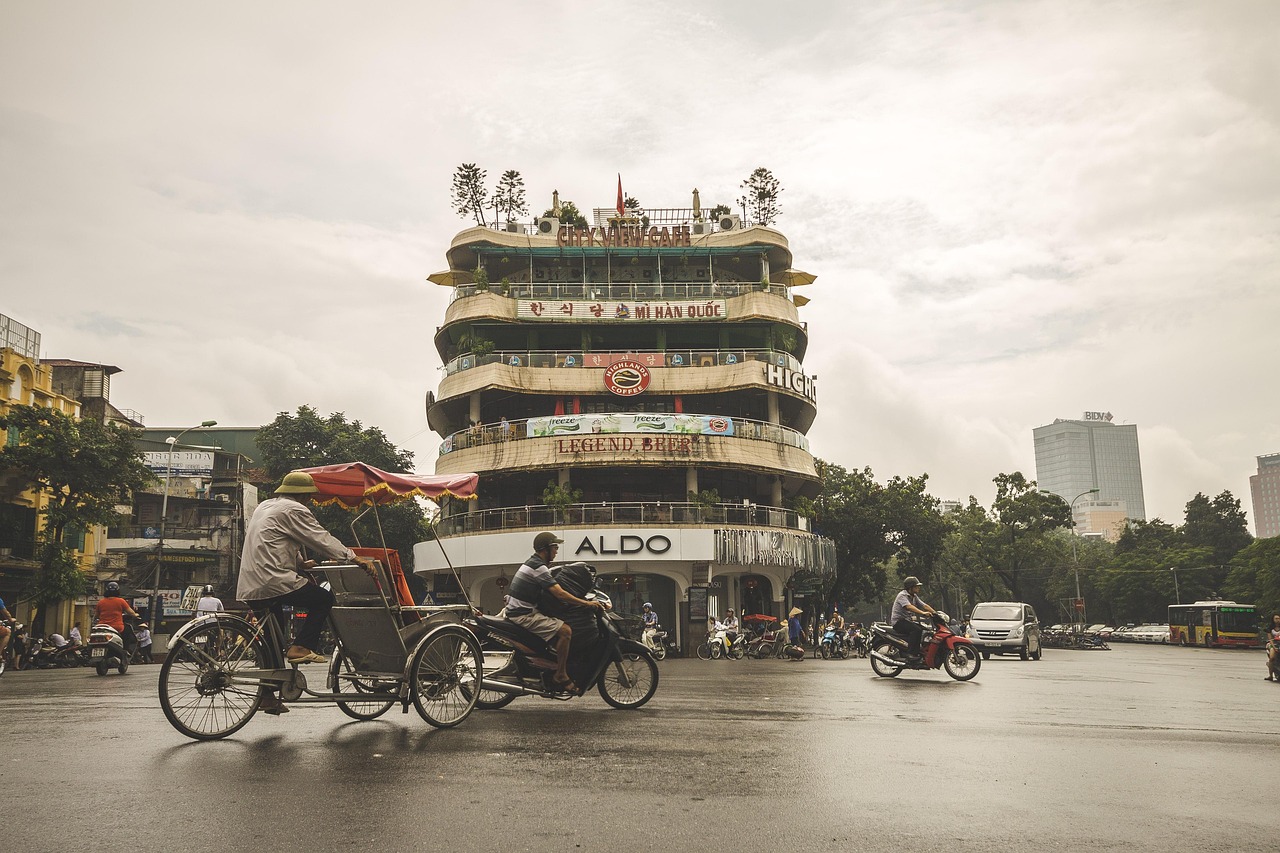

Most guides to eating in Vietnam are written for a one-week trip: hit the famous phở spot, try one bánh mì, take a photo of egg coffee, move on. That’s a reasonable itinerary for a tourist. It’s not how food actually works when you’re living somewhere for months at a time — when the goal isn’t checking dishes off a list but building an actual relationship with how a place eats, day to day, on a budget that has to hold up over a season rather than a week.
This is a guide for that second version: what to actually eat, how the daily rhythm of Vietnamese food works, and how to eat well on a long-term budget rather than a vacation one.
How Vietnamese Eating Is Structured
Vietnamese food culture runs on a different rhythm than a lot of nomads arrive expecting. Breakfast is a real, savory meal — phở, bún, or xôi (sticky rice) eaten at a plastic-stool street stall, not a pastry grabbed on the way somewhere. Lunch is often the day’s largest meal, eaten properly and unhurried where local schedules allow it. Dinner tends to be lighter and more social — shared plates, grilled skewers, a beer with friends.
Street food isn’t a budget fallback here; it’s the primary infrastructure. Some of the best food in any Vietnamese city comes from a stall with no sign, no menu in English, and a handwritten price list only the regulars can read. Learning to eat where locals eat, rather than defaulting to restaurants with English menus, is the single biggest lever on both quality and cost.
Regional Differences Worth Knowing
Vietnam’s food changes meaningfully as you move north to south, and knowing the regional character helps you eat well wherever you land.
The North (Hanoi and around): Subtler seasoning, less sugar and chili than the south, a strong noodle-soup tradition (phở originated here). Bún chả, chả cá, and the Old Quarter’s dense concentration of single-dish specialists — stalls that have made exactly one thing for decades.
Central Vietnam (Hue, Da Nang, Hoi An): The spiciest and most complex regional cuisine, shaped by the former imperial court’s elaborate food culture. Bún bò Huế, cao lầu (a Hoi An specialty found almost nowhere else), and mì Quảng.
The South (Ho Chi Minh City and the Mekong Delta): Sweeter, more herb-forward, more tropical produce in play. Hủ tiếu, the south’s version of bánh xèo (crispy pancakes), and the country’s best tropical fruit availability year-round.
Dishes Worth Learning Beyond Phở
Phở is the entry point, not the destination. A working list for someone actually living here:
- Bún chả — grilled pork over rice noodles with a sweet-sour dipping broth. A Hanoi lunch staple.
- Bánh mì — the sandwich, but the good versions vary enormously by vendor; worth finding your own stall rather than the first one you try.
- Cơm tấm — broken rice with grilled pork, a Saigon everyday-lunch default.
- Bánh xèo — crispy turmeric pancakes filled with pork, shrimp, and bean sprouts, wrapped in lettuce and herbs.
- Gỏi cuốn — fresh spring rolls, a lighter counterpoint to the fried versions most visitors know first.
- Cà phê sữa đá / cà phê trứng — Vietnamese iced coffee and Hanoi’s egg coffee, both worth understanding as their own category rather than a novelty photo.
Eating Well on a Long-Term Budget
Street food and local eateries are dramatically cheaper than restaurants aimed at tourists. A proper street-stall meal typically runs 25,000–45,000 VND (roughly $1–2 USD). A sit-down restaurant with an English menu in a tourist area can run five to ten times that for a comparable dish.
Markets are underused by nomads. Wet markets (chợ) sell fresh produce, meat, and herbs at prices restaurants can’t match — useful if your accommodation has any kind of kitchen access, even a hot plate.
Loyalty to a few stalls pays off. Vendors remember regulars, and regulars sometimes get better portions, better cuts, or simply faster service. Rotating through five or six trusted spots near where you live tends to beat chasing best-of lists.
Delivery apps (Grab, ShopeeFood) extend street food’s reach without the language barrier of ordering in person — useful for finding your footing before your Vietnamese (or confidence) catches up.
Practical Notes on Eating Safely
Choose stalls with high turnover — food that’s cooked to order and moving fast is generally safer than food that’s been sitting. Bottled or boiled water only, including for ice at unfamiliar stalls (most established spots use filtered ice, but it’s worth being selective early on). A stomach adjustment period in the first few weeks is common and not usually a sign anything’s wrong — it typically settles as your gut adapts.
→ Cost of Living in Vietnam for Digital Nomads
→ Healthcare in Vietnam: What Digital Nomads and Long-Term Travelers Need to Know
→ Slow Living in Vietnam: Why More People Are Choosing to Stay Longer
Good food is one of the things NextU’s Hanoi community organizes around — shared meals, market trips, and cooking nights are part of the rhythm. Join the waitlist to find out more.