
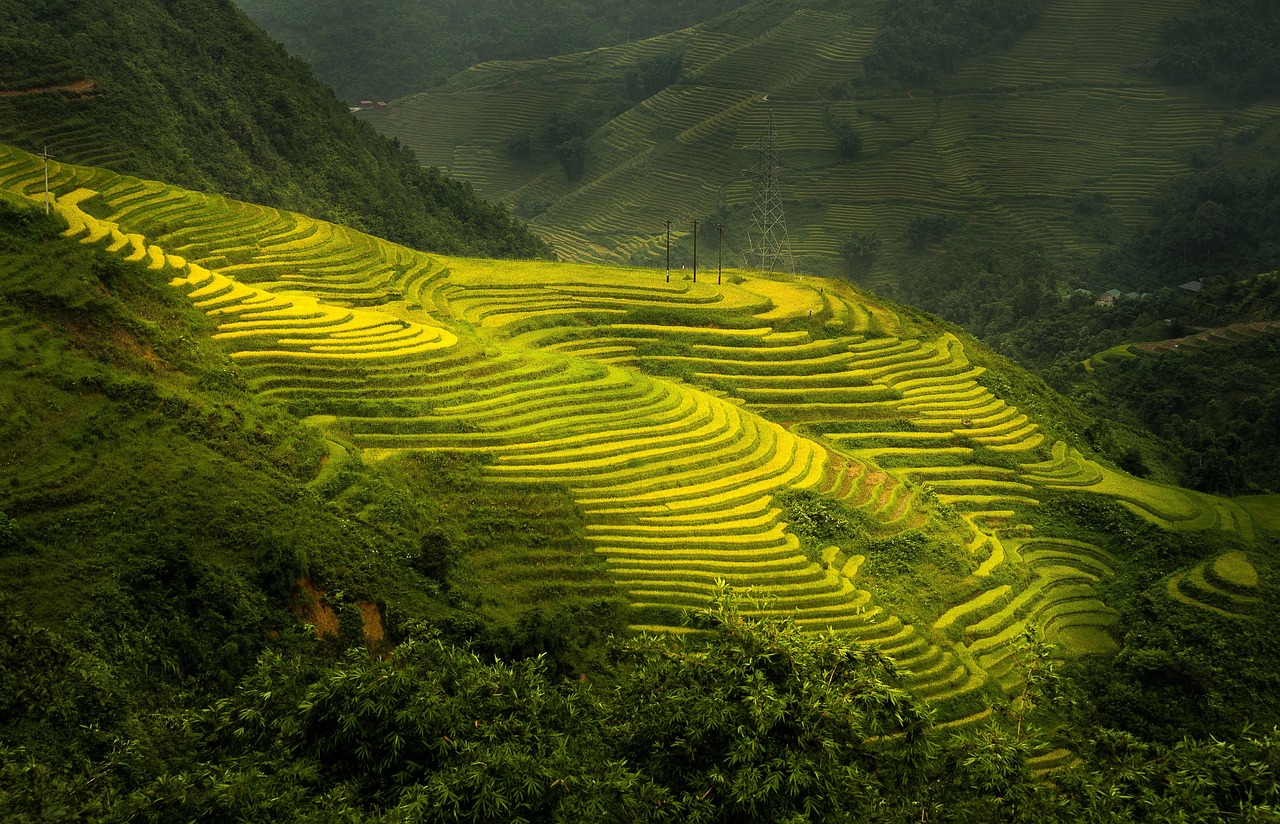
Sapa has a reputation problem, and it has earned about half of it. The town itself has been built up hard over the last two decades — concrete hotels, a cable car, tour touts, and a main square that could be anywhere. Travellers arrive expecting a mountain village, find a construction site, and write the whole region off.
That is the wrong conclusion. The town is not the destination. The valleys around it are, and the provinces east of it are better still.
Stay in the valleys, not the town
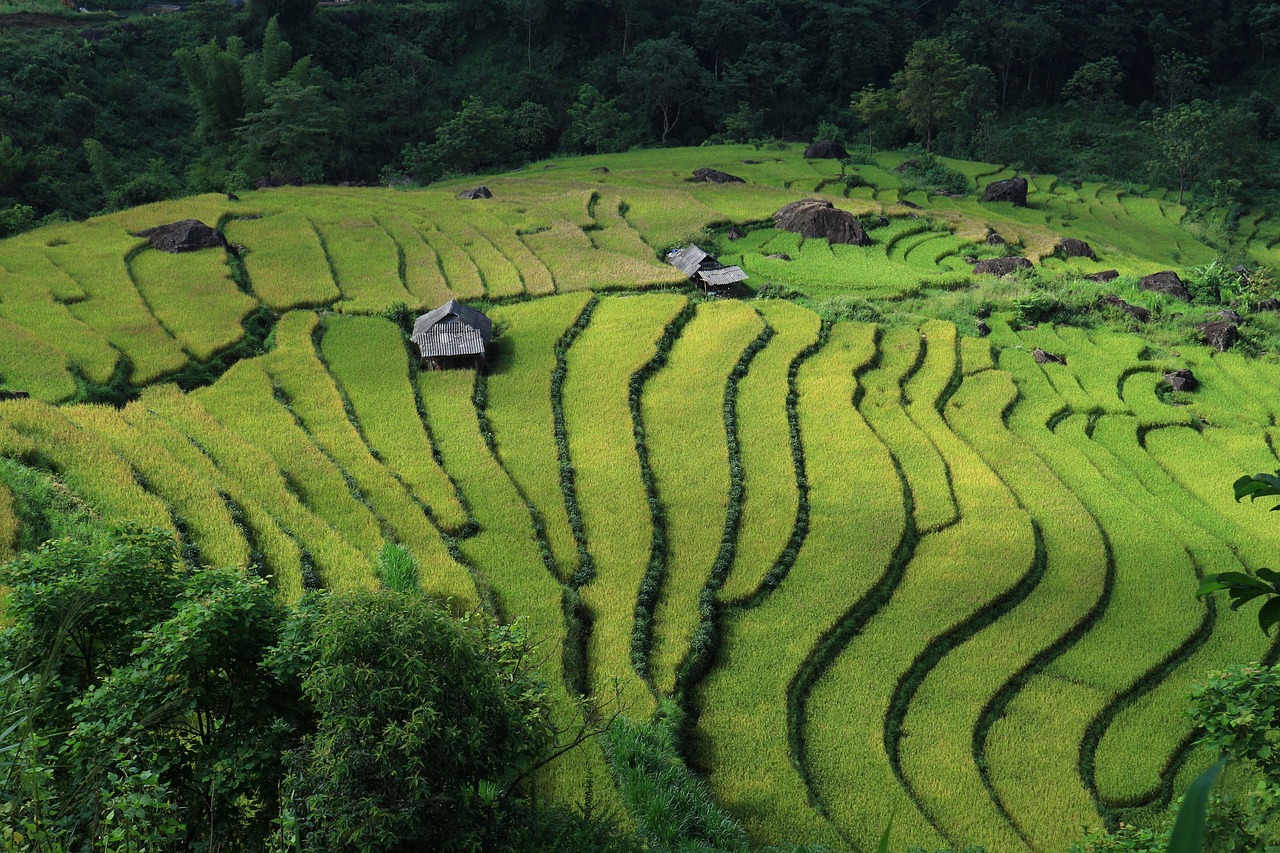
The single decision that determines whether you like Sapa is where you sleep. Base yourself in the town and you get traffic and tour groups. Base yourself twenty minutes out — in one of the valley villages among the terraces — and you get the thing you came for: morning fog burning off rice terraces, buffalo on the paths, and almost no one else.
Homestays in the valleys are inexpensive, often family-run, and increasingly have decent wifi. They are not, however, a working base in any serious sense. Power can be intermittent, heating is rare and the nights are genuinely cold from late autumn onward.
Ha Giang: the north without the crowds
If you have a fortnight rather than a weekend, Ha Giang province to the east is the more rewarding target. The loop through its karst plateau is the best motorbike route in Vietnam and one of the best in Asia — four to five days of switchbacks, river gorges and villages that see a fraction of Sapa’s traffic.
It requires more of you. Roads are demanding, weather changes quickly, and mechanical help can be far away. Do not make the Ha Giang loop your first experience of riding in Vietnam — our guide to renting versus buying a motorbike covers the licence and insurance issues, which matter enormously on mountain roads. Riding with a local guide is common and, for most people, the better call.
Trekking, done respectfully
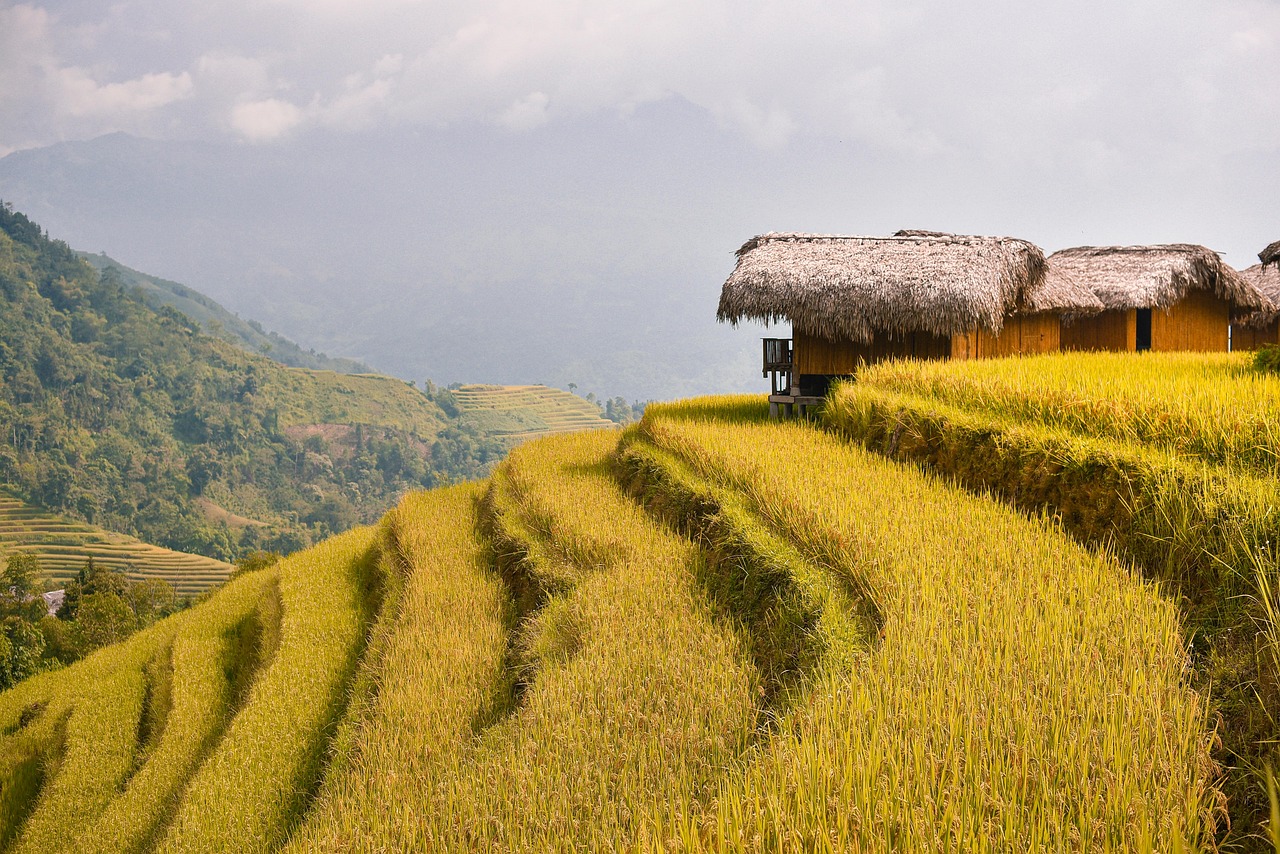
The trekking here is genuinely excellent, and the terraces are working farmland belonging to the families who maintain them. A few things worth getting right: book through the community-based operators or homestays rather than street touts, agree the price and the route before you set off, and be thoughtful about photographing people — ask first, and skip it if the answer is no.
Buying directly from the women who guide and weave, rather than through an intermediary, puts the money where it should go. It is also a considerably better day.
Seasons matter more here than anywhere
The north has real seasons, unlike most of Vietnam.
- September to October is the harvest — terraces at their most golden and the reason most photographs of the region exist.
- Spring brings water into the terraces and mirror reflections, with regular fog.
- Summer is green, warm and wet, with landslide risk on the mountain roads.
- Winter is cold, sometimes near freezing at altitude, and frequently socked in with cloud. Bring more layers than feels sensible for Vietnam — our packing guide covers this, and the north is the one place people get it badly wrong.
The regional timing guide has the fuller picture.
Can you work from here?
For a week, yes, with caveats. Connectivity in the towns is fine and mobile data coverage is better than you would expect, but it thins in the valleys and disappears in the mountains. Power cuts happen. If you have hard deadlines or live on video calls, treat the north as time off rather than a workplace — our connectivity guide explains what to expect.
That constraint is arguably the appeal. This is the part of Vietnam best suited to deliberately being unreachable, which we make the case for in digital detox in Vietnam.
How to fit it into a longer stay
The north works best as a trip out from a base rather than the base itself. Hanoi is the natural launch point — overnight train or sleeper bus, and you are there. Many people spend months in the city and take a week in the mountains when they need the reset. Our Hanoi neighbourhood guide covers setting that base up.
If you want the mountains without the logistics, NextU’s experiences and events programmes run trips of this kind with people who know the routes, and the Hanoi Garden Villa makes a straightforward base to return to. For somewhere quieter still, the Vietherb retreat in Lang Son sits in the northern forest with a different pace again.



One Comment