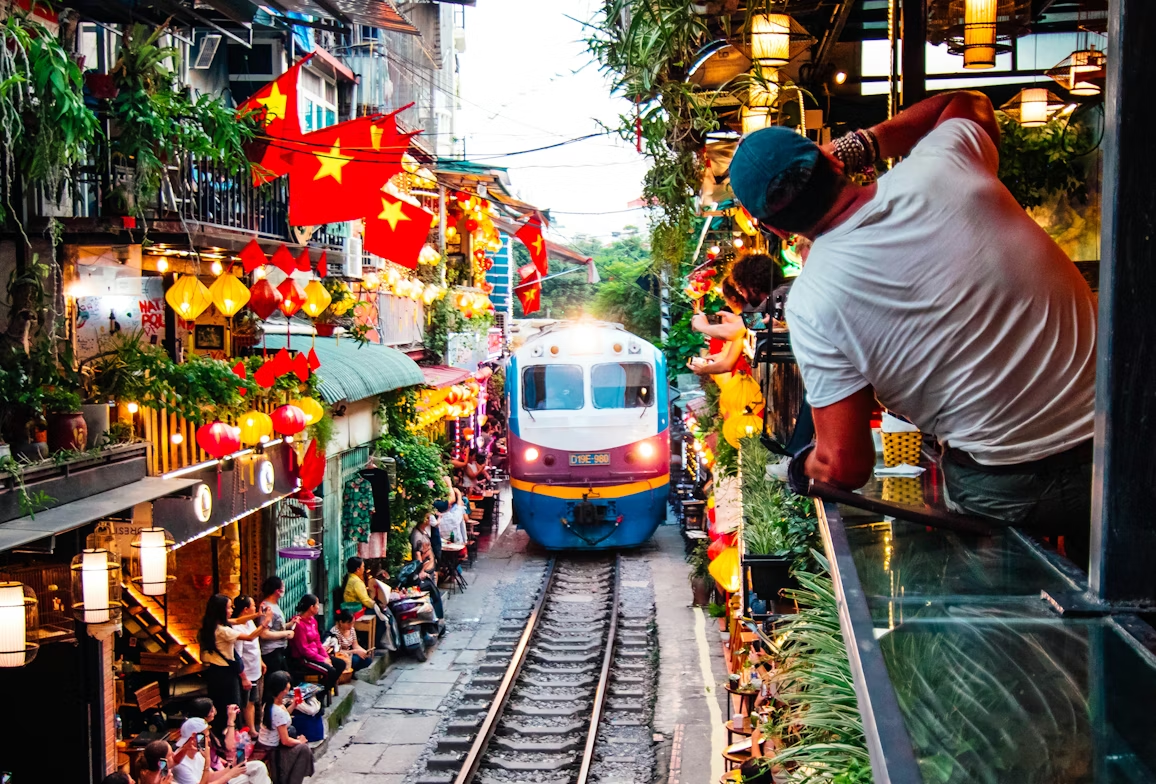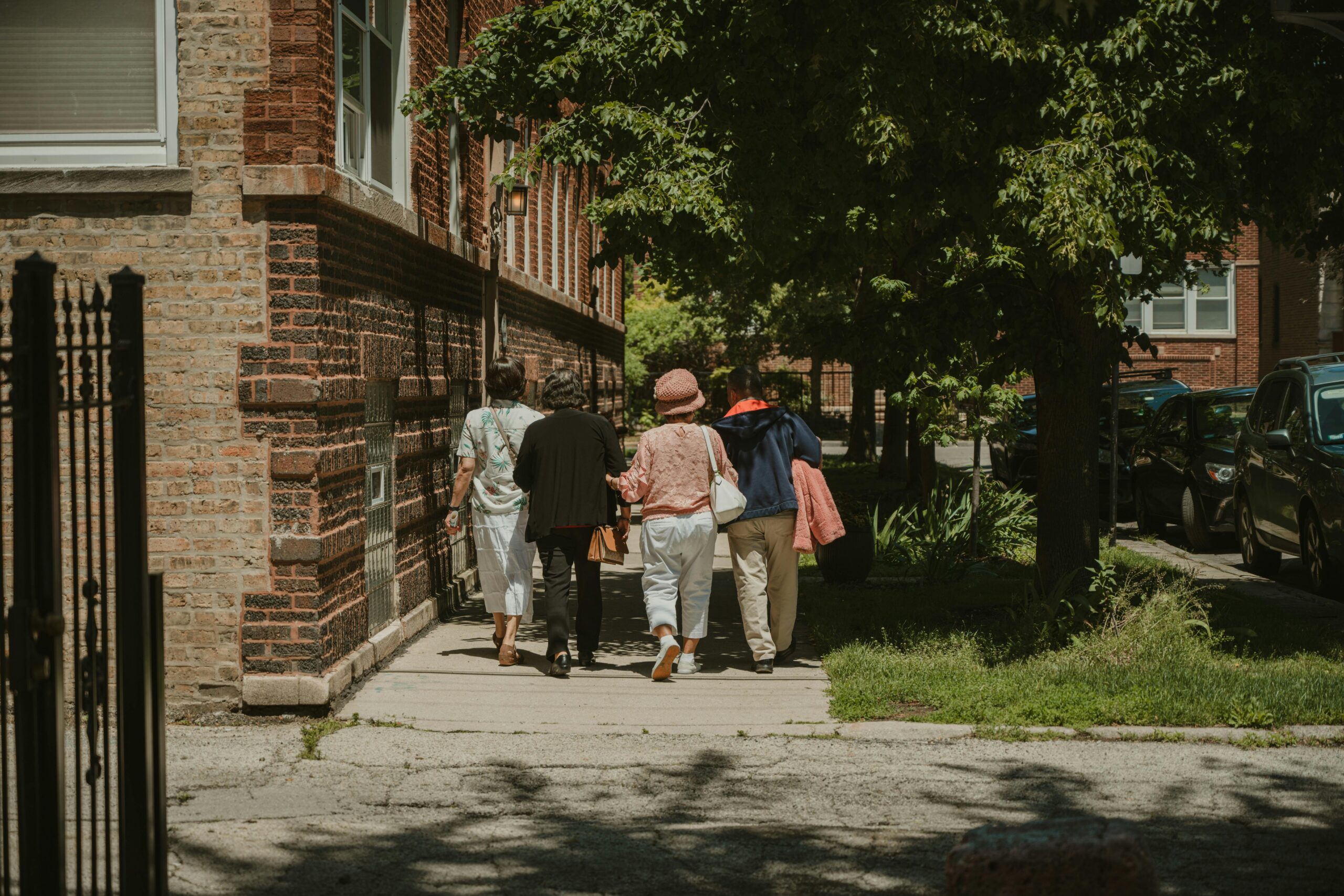

Finding community as an expat in Vietnam is both easier and harder than most people expect. Easier because the expat communities in major cities are established, accessible, and generally welcoming. Harder because “expat community” covers an enormous range — from retirees who’ve lived here for 20 years, to English teachers, to digital nomads passing through, to founders building companies, to long-term residents who’ve built genuine lives here.
The community that’s right for you depends on what you’re actually looking for. This guide maps the landscape honestly.
What “Expat Community” Means in Vietnam
The umbrella term hides significant variation. In practice, there are several distinct sub-communities that don’t necessarily overlap:
Long-term residents. People who’ve lived in Vietnam for 5–20+ years. Often married to Vietnamese partners, running businesses, or deeply embedded in Vietnamese professional life. More integrated with Vietnamese culture than most newly arrived expats. Hard to access directly as a newcomer; worth seeking out when you can.
English teachers. Large, established community in all major cities. Social life often centers around the ESL circuit — weeknight drinks, weekend trips, a particular kind of temporary-feeling community. High turnover. Some excellent people; variable depth.
Digital nomads and remote workers. The fastest-growing segment, concentrated in Da Nang, Hoi An, and Hanoi. English-speaking, laptop-working, typically in their 20s–40s. More educated and career-oriented than the backpacker crowd. The Facebook groups and coworking scenes are their entry points.
Founders and entrepreneurs. Smaller but growing, concentrated in Ho Chi Minh City and Hanoi. Building companies in or for the Vietnamese market, or using Vietnam as a low-cost base for international work. Networking events, coworking spaces, and the startup ecosystem are the gathering points.
Creatives and artists. The quietest community — less organized than the others, but present. Concentrated in Hoi An, Hanoi’s creative districts, and pockets of Da Nang. Found in art spaces, craft workshops, and the better cafés.
Spiritual and wellness seekers. Growing segment, particularly in Hoi An and the highlands. Yoga centers, meditation retreats, conscious living communities, wellness entrepreneurs. More self-selecting and harder to find if you don’t know where to look.
Finding Community by City
Da Nang
Da Nang has the most organized and accessible nomad community in Vietnam. The infrastructure for finding people is well-developed:
Facebook groups: “Digital Nomads Da Nang” and “Expats in Da Nang” are the starting points. Both are active, welcoming to newcomers, and have accumulated enormous practical knowledge.
Coworking spaces: The best community entry points. Up Coworking and Circo both have regulars who gather over coffee and make it easy to meet people.
Events: Regular beach volleyball on Sunday mornings (check Facebook groups for current organizer), weekly language exchanges, monthly nomad meetups. Ask in the groups for current schedules.
The An Thương strip: Walk this area in the early evening and you’ll run into other nomads at the cafés and restaurants. It’s not formal — it’s just where people are.
Depth level: The Da Nang community is wide and accessible. Depth requires staying longer than a few weeks and investing in specific relationships rather than the general social scene.
Hoi An
Hoi An’s expat community is smaller, tighter, and more self-selecting. The people who end up staying in Hoi An for a month or more tend to be specifically drawn to what Hoi An offers — creative, slower-paced, more interested in the place itself than in nomad lifestyle infrastructure.
Facebook groups: “Expats in Hoi An” is smaller but more intimate than Da Nang equivalent. Questions get personal, specific answers.
Cafés and regular haunts: A handful of cafés around Cẩm Nam and the streets behind the Old Town have become regular meeting points for the expat community. You’ll recognize the same faces quickly.
The creative community: Harder to find but rewarding when accessed. Start at art spaces, craft workshops, and the co-living communities that have emerged in the area.
Depth level: Higher than Da Nang per person, lower in total numbers. The Hoi An community is genuinely connected and people look out for each other.
Hanoi
Hanoi has multiple expat sub-communities that rarely fully overlap:
Tây Hồ (West Lake) expats: The largest concentration of long-term foreign residents. International schools, embassies, NGOs, and established businesses anchor the community. Older demographic on average, more family-oriented. The cafés and restaurants around West Lake are the social infrastructure.
Nomad and remote worker community: Concentrated in the coworking spaces (Toong, Cogo, Circo) and the Facebook groups. Younger and more transient than the Tây Hồ establishment.
Creative community: Art spaces, universities, and specific neighborhoods. Worth finding if this is your tribe — see Living in Hanoi as a Creative.
Facebook groups: “Hanoi Massive,” “Expats in Hanoi,” “Digital Nomads Hanoi” — each serves a slightly different demographic.
Events: Hanoi has more cultural events than other Vietnam cities — gallery openings, live music, cultural celebrations, regular language exchanges. More to do socially than in smaller cities.
Ho Chi Minh City
HCMC has the largest expat population in Vietnam and correspondingly more infrastructure:
District 2 / Thảo Điền: The primary expat enclave, with international schools, Western restaurants, and a well-established community of long-term residents.
District 1: More mixed — tourists, younger expats, restaurant and bar scene. Different vibe from the suburban-feeling District 2.
For nomads: Several coworking spaces in District 1 and District 3 have nomad communities. The overall nomad scene is less cohesive than Da Nang’s because the city is larger and more dispersed.
Beyond the Expat Bubble
One piece of consistent advice from long-term Vietnam residents: the most rewarding experiences come from engaging with Vietnamese people and culture, not just with other expats.
This is harder than it sounds. The expat infrastructure is convenient, comfortable, and English-speaking. The activation energy to cross into Vietnamese social contexts — language barrier, different cultural norms, less obvious entry points — is real.
But it’s worth it. Some practical paths:
Language exchanges: Structured, regular, free or cheap. Vietnamese people who want to practice English meet foreign people who want to practice Vietnamese. Genuine connections form. Every major city has them.
Cooking classes: Often the first step into Vietnamese food culture beyond restaurant-going. Many cooking schools are tourist-facing but offer genuine learning and sometimes lead to ongoing relationships with instructors.
Craft workshops: In Hoi An especially — ceramics, silk, lantern making, etc. Not as tourists but as learners. The craft master who teaches you something has a different relationship with you than a restaurant you patron.
Co-living with Vietnamese residents: The best co-living spaces include a mix of Vietnamese and international residents. Living alongside Vietnamese people in a shared space creates the casual, repeated contact that builds genuine understanding.
What to Expect in the First Month
The first month in any new country is typically harder socially than it looks from the outside. The groups are accessible; the relationships take time.
The realistic trajectory:
– Week 1–2: Meeting people, pleasant but surface-level conversations, a lot of “where are you from / how long are you here?”
– Week 3–4: Starting to recognize regulars, a few exchanges that go deeper, a sense of who might become actual friends
– Month 2–3: The relationships that are going to matter start to form
– Month 3+: Community that has actual depth
This is normal. The people who report that Vietnam community building was disappointing often left before month 2.
→ Digital Nomad Community in Da Nang
→ Best Neighborhoods in Hoi An
→ What Is Community Living?
NextU builds living environments specifically designed for community — curated, intentional, and designed for depth rather than just density. Join the waitlist.