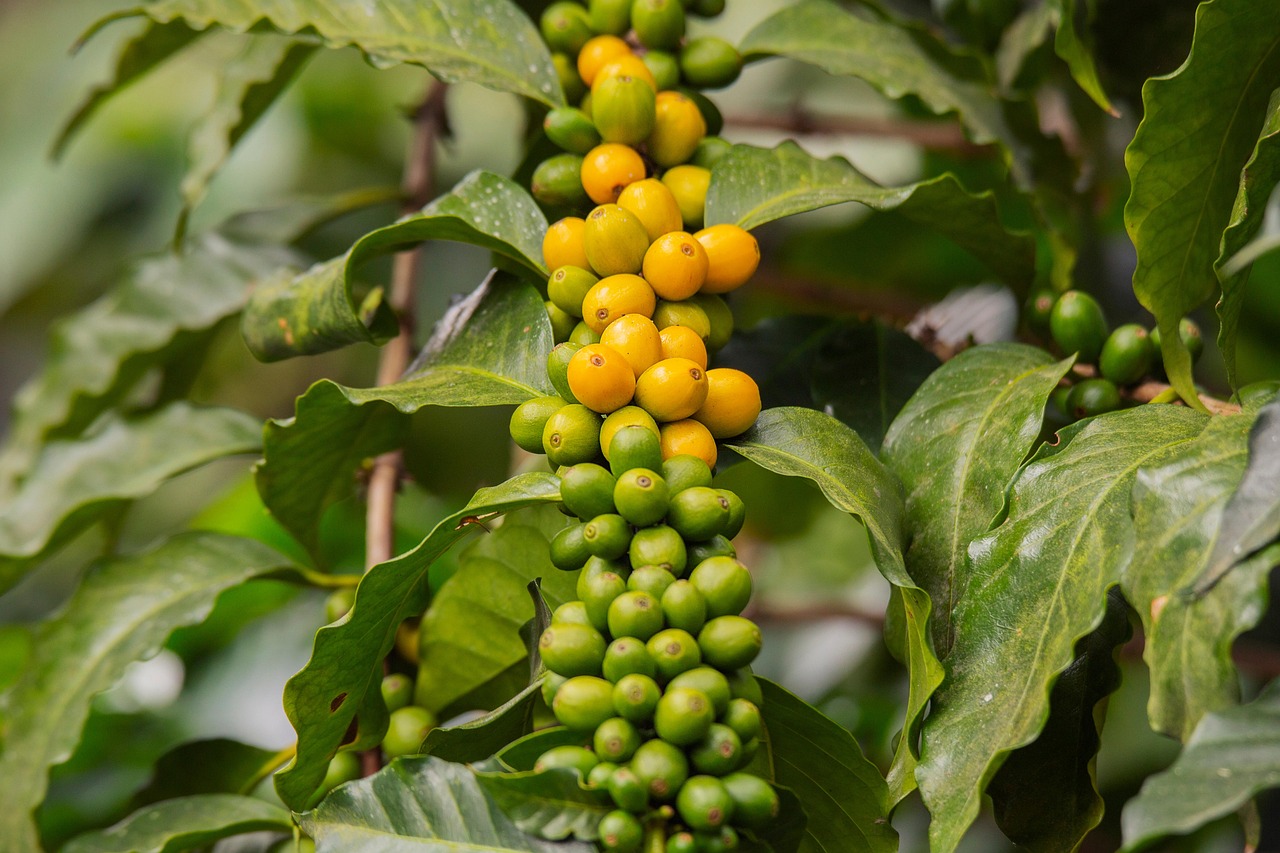
Vietnam is the second-largest coffee producer in the world, and the overwhelming majority of it grows here — on the red basalt plateau of the Central Highlands, a region most foreign visitors pass over entirely on their way between Saigon and the coast.
That neglect is the appeal. The highlands are cooler, emptier and cheaper than anywhere on the tourist route, the roads are the best riding in the country, and it is the part of Vietnam where you are most likely to be the only foreigner in the room.
The main towns
Buon Ma Thuot is the coffee capital and the largest city up here — not beautiful, but a real working city with a serious coffee culture, a coffee museum, and roasters everywhere. It is the natural base for the region and the easiest to reach.
Pleiku, in Gia Lai province, sits higher and quieter, surrounded by volcanic crater lakes and pine. Kon Tum, further north, is the most distinctive of the three — a small town on a river with a notable wooden cathedral, communal stilt houses in the villages nearby, and the strongest surviving ethnic minority presence.
Da Lat is technically part of the same highland system and is the developed, popular version of it — worth knowing that the rest of the region is nothing like Da Lat in terms of visitor infrastructure.
Coffee, at the source
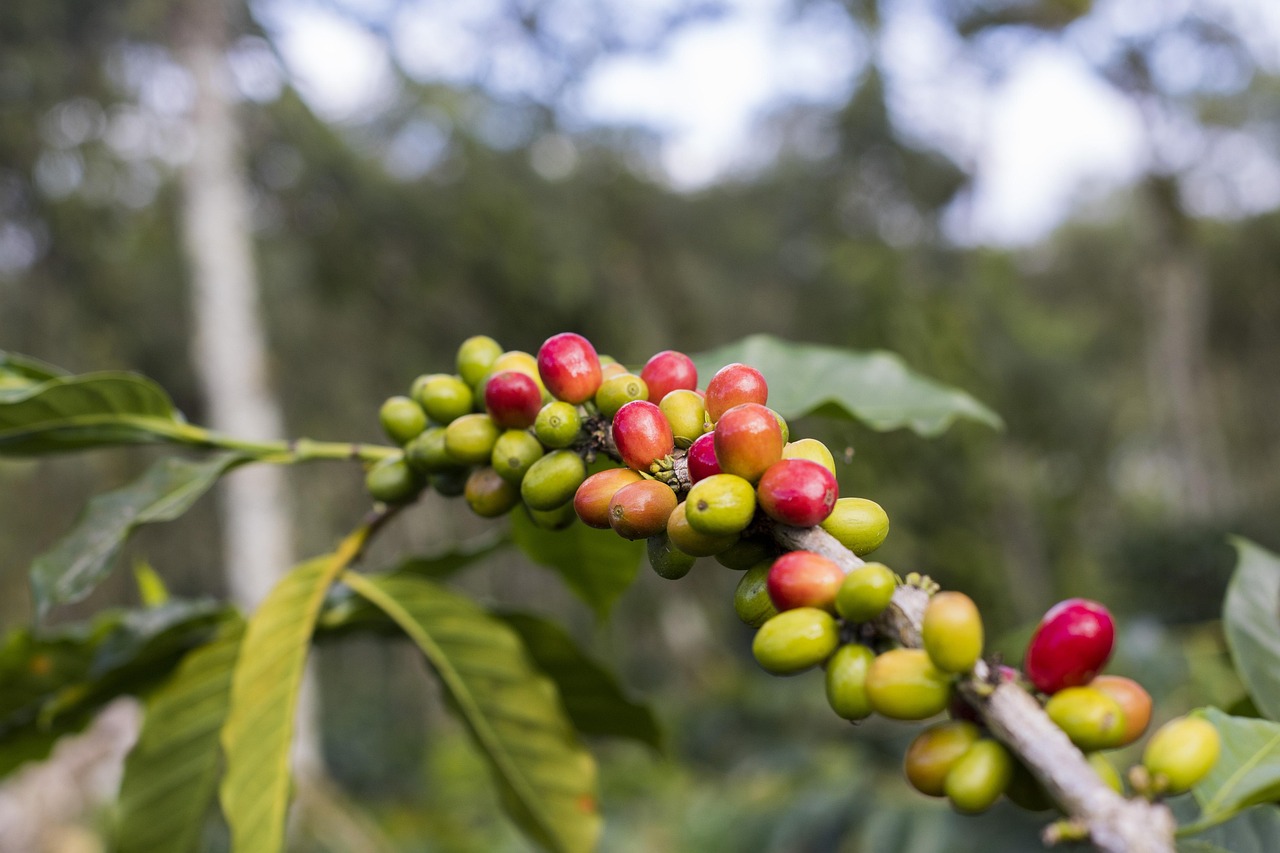
If you have any interest in coffee, this is a pilgrimage. You can visit farms, watch processing during harvest, and drink coffee that never leaves the province. The harvest runs through the late-year months and is the most interesting time to be here.
The region grows mostly robusta, with arabica at higher elevations, and the specialty scene now working here is producing genuinely good single-origin coffee that bears no resemblance to the commodity robusta reputation. Our guide to Vietnamese coffee culture covers what you are drinking and why it tastes the way it does.

The roads
This is the best motorbike touring in Vietnam, and it is not close. Empty tarmac, long climbs, pine forest, waterfalls, crater lakes, and a fraction of the traffic you deal with anywhere else. The stretch between the highland towns and down toward the coast is superb riding.
It is also remote. Petrol stations thin out, mechanical help can be far away, and mountain weather turns quickly. Do not make this your first riding in Vietnam — our guide to renting versus buying covers the licence and insurance issues, which matter more the further you are from a city.
Ethnic minority culture, approached properly
The highlands are home to many of Vietnam’s ethnic minority groups — Ede, Jarai, Bahnar and others — with their own languages, architecture and traditions, including the gong culture recognised by UNESCO.
Visit through community-based operators or local guides rather than turning up with a camera. Villages are homes, not exhibits. Our etiquette guide covers the general principles, and they apply with more force here than in the cities.
Practicalities
Buon Ma Thuot and Pleiku both have airports with domestic connections, and buses run from Saigon, Da Lat and Nha Trang. Accommodation is basic and inexpensive, English is limited, and there is no coworking or foreign community whatsoever. Even a little Vietnamese changes the trip substantially — see our language guide.
The climate is the underrated advantage: elevation means it is meaningfully cooler than the coast year-round, which after a stretch in Saigon is a genuine relief. The wet season brings heavy afternoon rain and some difficult road conditions.
Who should go
People on a second or third trip, riders, coffee obsessives, and anyone whose reaction to a busy beach town is to look for the road out. It is not a first-Vietnam destination and it is not a working base — it is where you go when you want the country without the infrastructure built around visiting it.
For a taste of highland living with the logistics handled, Konke Farmstay in Gia Lai sits right in this landscape, and NextU’s locations and experiences cover how a stretch up here fits alongside time in the cities.