
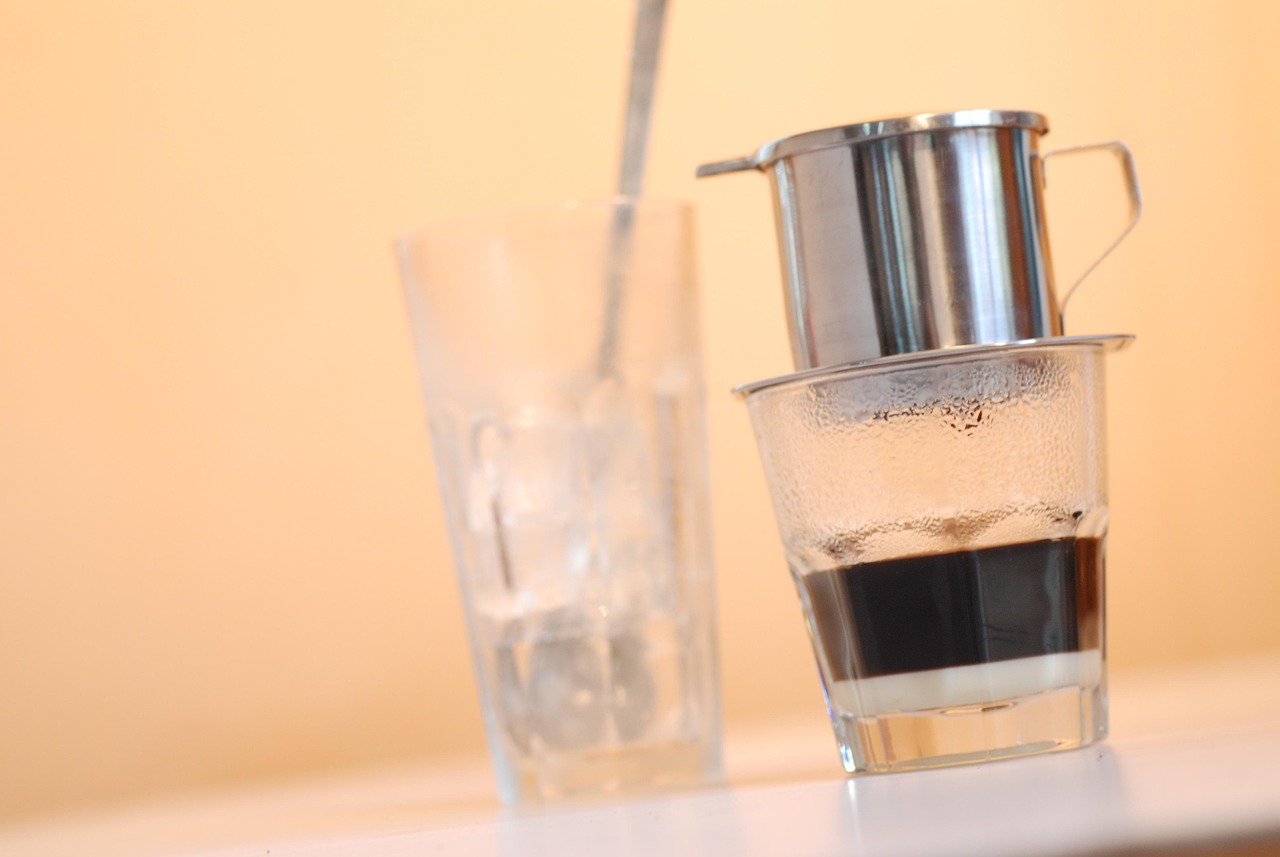
Vietnam is the second-largest coffee producer in the world, and the coffee here does not taste like coffee anywhere else. If you arrive expecting a flat white and get a small glass of something closer to tar poured over condensed milk, you have met robusta.
Understanding what you are drinking — and how the café functions socially — makes an unreasonable difference to how quickly Vietnam starts feeling like home.
Robusta, and why it matters
Most of the world’s specialty coffee is arabica. Most of Vietnam’s crop is robusta: higher in caffeine, lower in acidity, heavier and more bitter, with a chocolate-and-tobacco character rather than fruit.
Robusta has a poor reputation globally because it is the cheap filler in supermarket blends. Drunk the way Vietnam drinks it — slow-dripped through a small metal phin filter, concentrated, cut with sweetened condensed milk — it is a genuinely different and coherent thing rather than a lesser version of something else.
The practical consequence: it is strong. A single ca phe sua da can carry roughly double the caffeine you are used to. Ordering two before noon on your first day is a mistake people make exactly once.
What to order
- Ca phe sua da — iced coffee with condensed milk. The default, and the correct first order.
- Ca phe den da — iced black. Bitter, bracing, no hiding place.
- Ca phe nong — the hot version, served with the phin still dripping. Worth ordering at least once for the enforced ten minutes of waiting.
- Ca phe trung — egg coffee, a Hanoi speciality: whipped yolk and condensed milk over strong coffee, closer to dessert than to breakfast.
- Ca phe muoi — salt coffee, associated with Hue, where a lightly salted cream cuts the bitterness.
- Bac xiu — much more milk, much less coffee. The gentle option, and no one will judge you.
Coconut coffee and yoghurt coffee both exist and are both aimed largely at visitors, which does not make them bad.
The café as public living room
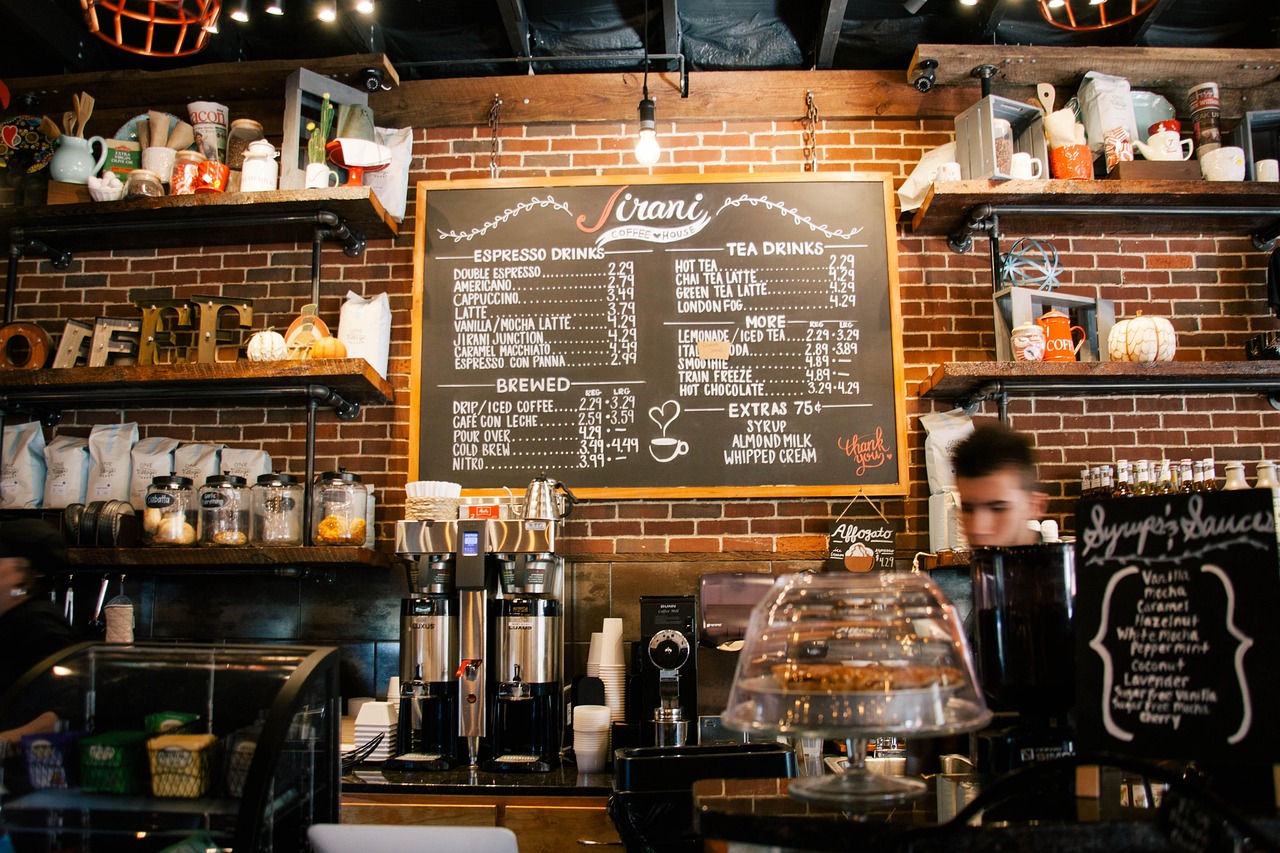
This is the part that takes longest to understand. In Vietnam the café is not primarily a place to buy caffeine — it is where people meet, work, court, negotiate, kill an afternoon, and sit alone in company. Plastic stools on the pavement at seven in the morning; garden cafés with koi ponds; multi-storey places full of students; balconies above the Old Quarter with one drink lasting three hours.
Nobody is waiting for your table. The single drink you bought two hours ago is not a problem. That norm is why the café works so well as an office, which we cover in detail in working from cafés in Vietnam.
The specialty scene
Alongside the traditional trade there is now a serious third-wave scene, particularly in Ho Chi Minh City, Hanoi and Da Lat — roasters working with Vietnamese arabica from the Central Highlands, pour-over service, single-origin beans from Son La and Cau Dat.
Da Lat sits at the centre of this, being both a growing region and a city full of cafés, which our piece on Da Lat as a slow-living base gets into.
Buying beans to take home
Buy from a roaster rather than a supermarket, ask when it was roasted, and be aware that a lot of cheap Vietnamese coffee is roasted with butter, oil or sugar — traditional, and not what you want in a home grinder. If you want the classic phin experience, buy a phin; they cost almost nothing and are close to unbreakable, which makes them among the better things to carry home.
A note on ordering well
Saying it in Vietnamese is appreciated out of all proportion to the effort involved, and the coffee order is the single most useful phrase to learn early — you will use it daily. Our language guide covers getting started, and the food guide handles everything else you will be ordering.
If you want the café habit built into your stay rather than discovered by trial and error, NextU’s houses tend to have a resident answer to “where is good” within walking distance — the co-working and community pages cover how the daily rhythm works, and experiences occasionally include roastery and Central Highlands trips.



One Comment