Search for Vietnamese etiquette and you will find the same list everywhere: do not point your feet at people, do not touch heads, receive things with two hands. None of it is wrong. Almost none of it is what determines how your life here actually goes.
Vietnamese people are, in general, forgiving of foreigners who are visibly trying. Nobody is keeping score on your chopstick placement. What does matter is a shorter and less-discussed set of things — mostly about how people are addressed, how disagreement is handled, and how much noise you make.
Face, and why nothing is ever settled by confrontation
The most important concept, and the one most invisible to visitors. Public embarrassment is a serious cost here, and preserving everyone’s dignity in an interaction usually matters more than resolving the immediate issue.
What this means in practice:
- Raising your voice ends the negotiation, in your disfavour. The person opposite may keep smiling, and you will get nothing. Foreigners routinely misread that smile as progress.
- Complain privately and calmly. Take the landlord aside. Ask quietly at the counter. You will get a far better outcome than by making a scene.
- “Yes” is not always agreement. It frequently means “I heard you” or “I do not want to embarrass either of us by saying no.” If a direct question gets a hesitant yes, ask it differently.
- Do not correct someone in front of others. Especially not someone older than you, and especially not in a work context.
This single adjustment — treating volume and directness as counterproductive rather than efficient — will do more for your time here than everything else on this page combined.
Age, and how you are supposed to address people
Vietnamese pronouns encode relative age, and picking one is unavoidable in ordinary speech: anh for a slightly older man, chi for a slightly older woman, em for someone younger, co and chu for those of your parents’ generation, ba and ong for the elderly.
You will get these wrong. That is fine and mildly charming. What matters is that you are trying, because the alternative — addressing everyone identically in English — reads as slightly cold. Being asked your age early in a conversation is not nosiness; it is someone working out how to talk to you politely. Our guide to learning Vietnamese covers this properly, and it is the highest-value thing to learn first.
Homes and temples
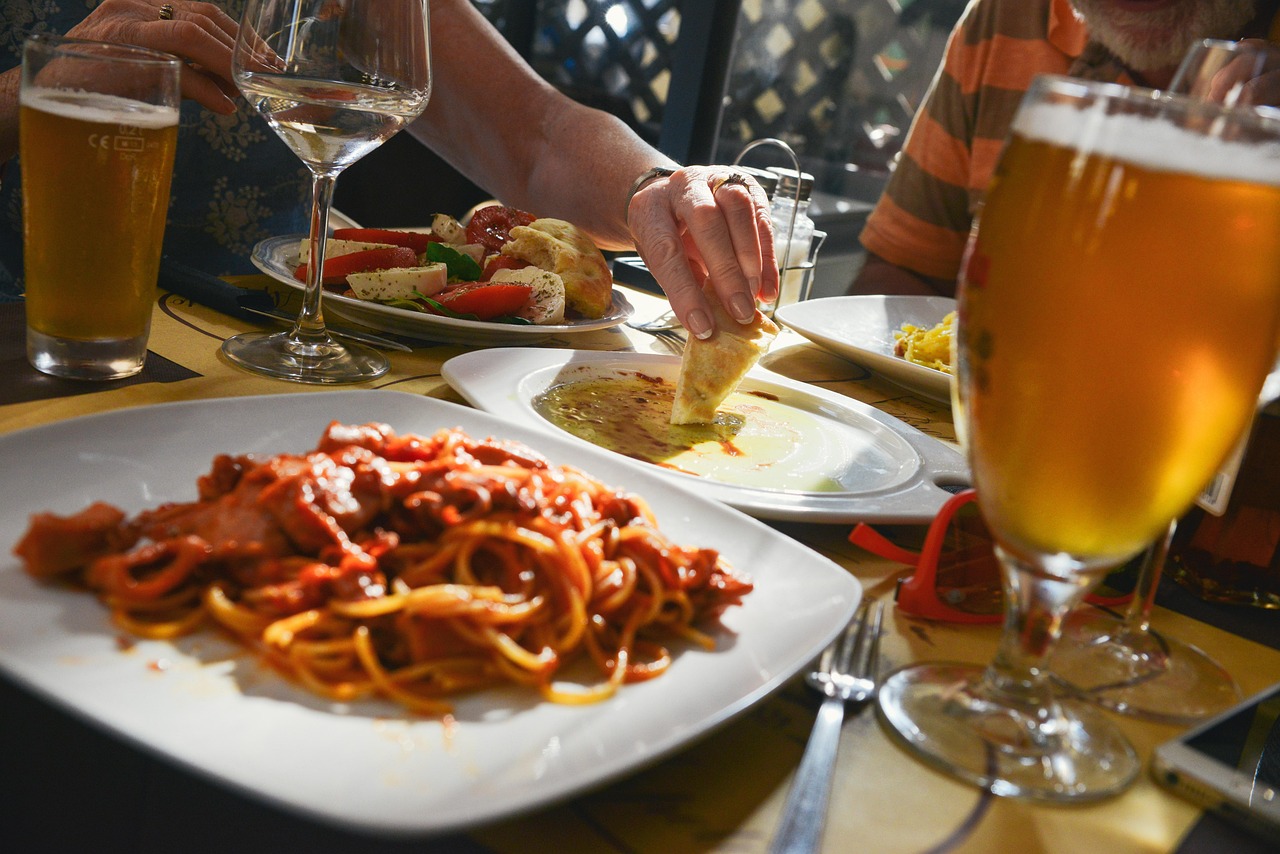
If you are invited to someone’s home — which happens more than you would expect — take off your shoes at the door, bring something small (fruit, sweets, tea; not flowers, which carry funeral associations depending on type and colour), and expect to be fed considerably more than you want. Refusing food outright reads badly; taking a little of everything and slowing down is the graceful exit.
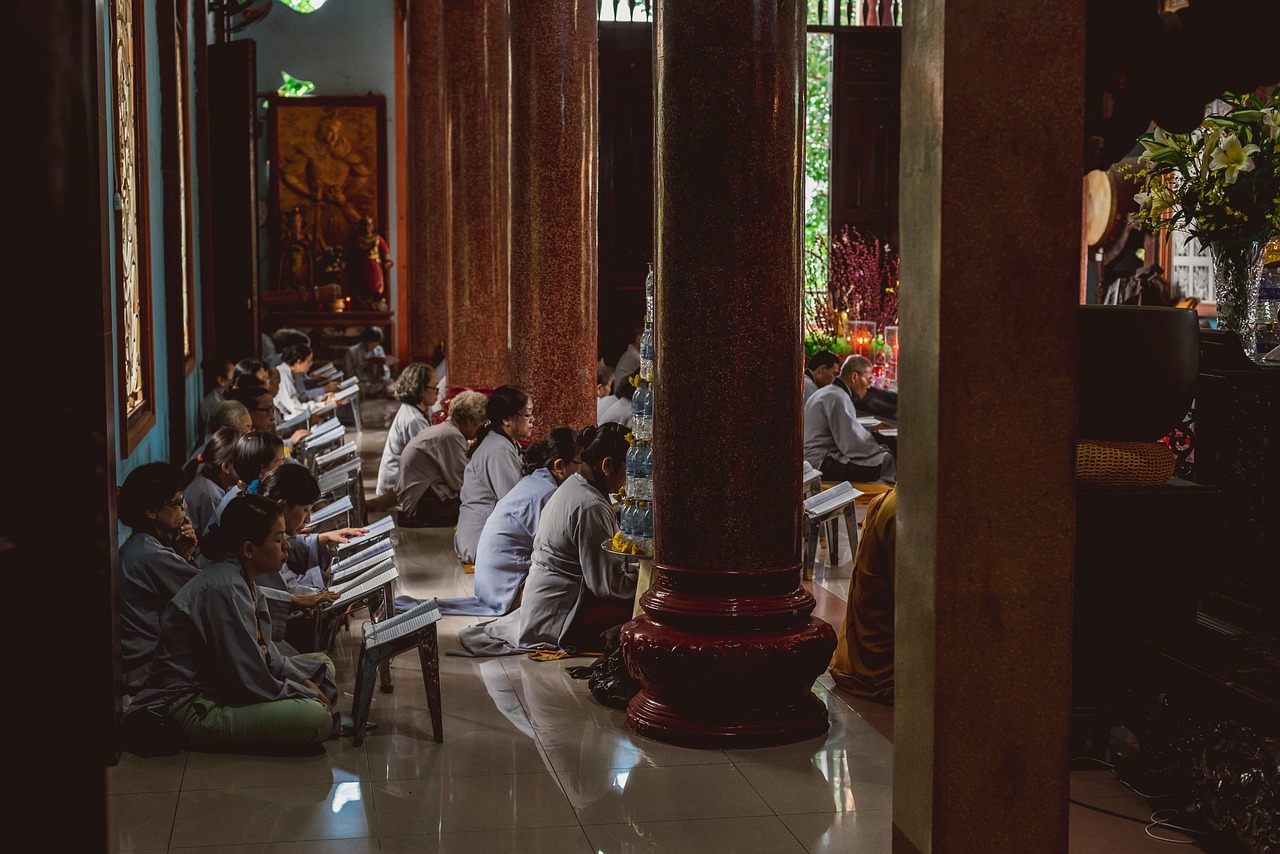
Temples and pagodas ask little: cover your shoulders and knees, take your shoes off where indicated, keep your voice down, do not photograph people mid-prayer or point a camera at the altar, and step over the raised threshold rather than on it. If you are unsure, watch for ten seconds and copy what everyone else does.
Money
Tipping is not traditionally expected, though it has become common in tourist-facing service. Rounding up is normal and appreciated; large tips can create awkwardness rather than gratitude.
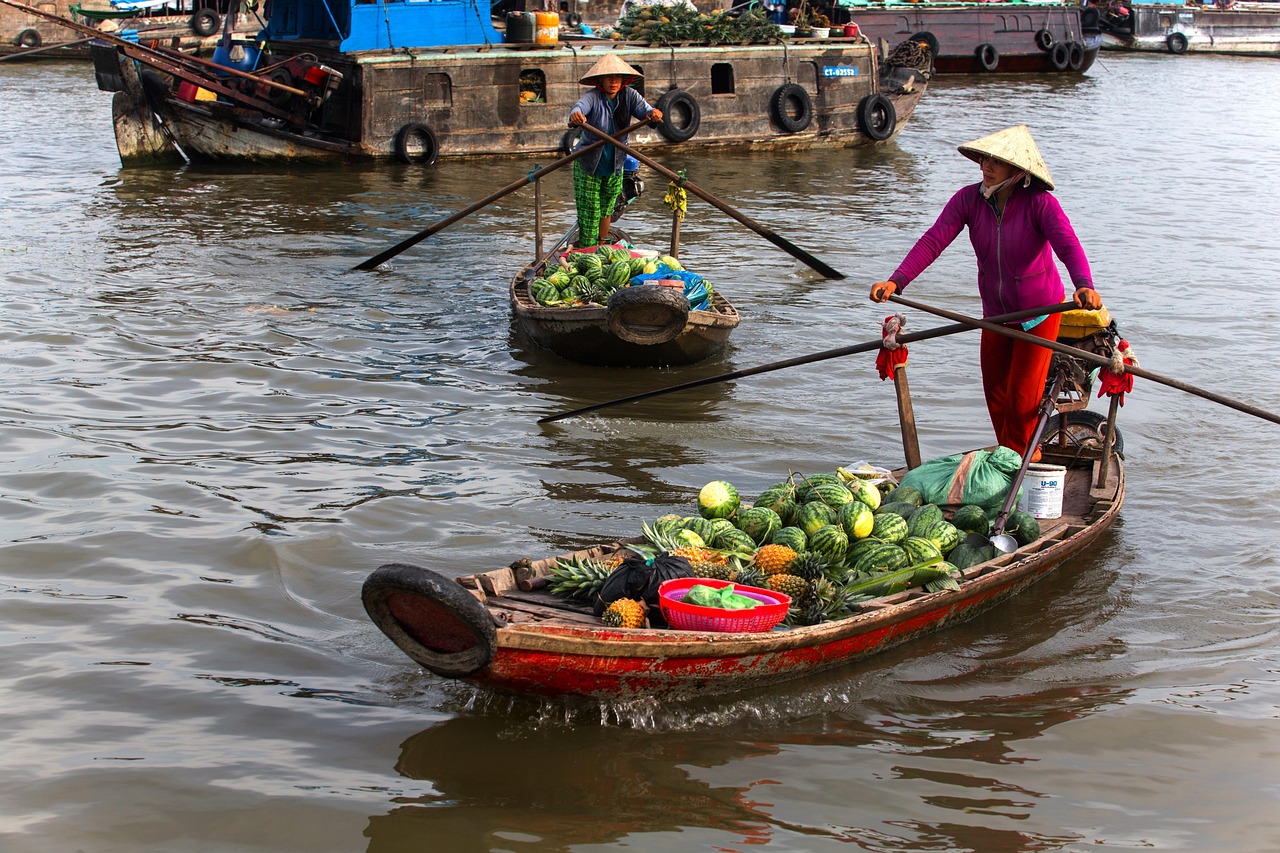
Bargaining is expected in markets, not in shops with marked prices, and never aggressively. It is a friendly exchange, not a contest — and grinding someone down over the equivalent of a dollar is a bad look that locals notice.
Pass money and business cards with two hands, or with your right hand supported at the wrist by your left. It is a small thing that registers instantly.
The things visitors actually get wrong
- Volume. Foreign voices carry, particularly in restaurants and on public transport. This is the most common quiet complaint about Western visitors.
- Impatience in queues and traffic. Both work differently here. Neither is improved by your frustration.
- Photographing people as scenery. Vendors, street sellers and elderly people are not set dressing. Ask, or do not take it.
- Dressing for the beach in the city. Vietnam is more modest than its climate suggests, particularly outside tourist districts and away from the coast.
- Talking politics loudly in public. Read the room; this is not a country where public political commentary from foreigners is welcome or wise.
- Assuming Vietnam is Thailand or China. The comparison lands badly. It is its own country with its own history, and a great deal of that history involves resisting exactly that assumption.
The underlying point
None of this is a test you can fail. Vietnam is one of the more relaxed countries in the region about foreign clumsiness, and the goodwill available to someone who is obviously making an effort is enormous. Learn how to greet and thank people in Vietnamese, keep your voice down, and never make anyone lose face in public — the rest is detail you will absorb.
Living somewhere with people who can explain the context as it comes up accelerates all of this dramatically. That is a large part of what the NextU community is for, and it runs through the experiences and co-creation side of things too — the cultural learning tends to happen sideways, over dinner, rather than from a guide. Finding your people in Vietnam and how to make friends as a remote worker abroad cover the social side directly.