Vietnam has a reputation as a difficult country for vegetarians, and it is half deserved. Fish sauce is the backbone of the cuisine, pork broth turns up where you least expect it, and the concept of “vegetarian” does not map cleanly onto local categories.
It also has a centuries-old Buddhist vegetarian tradition, entire restaurants dedicated to it, and a food culture built on herbs, vegetables, rice and tofu. Once you know the vocabulary, it is considerably easier than most of Europe.
The one word that solves most of it: chay
Chay means vegetarian in the Buddhist sense — no meat, no fish, no fish sauce, and traditionally no eggs or dairy either, which means com chay is usually vegan by default.
Look for signs saying com chay or quan chay. These are dedicated vegetarian restaurants, they exist in every town of any size, they are inexpensive, and the food is genuinely good — often mock-meat dishes made with tofu, mushroom and wheat gluten, alongside straightforward vegetable and rice plates.
Many are attached to pagodas and some open only on particular lunar days, when observant Buddhists eat vegetarian. On the first and fifteenth of the lunar month, vegetarian food appears everywhere, including at ordinary restaurants.
The phrases that actually work
“Toi an chay” — I eat vegetarian — is the essential one, and it communicates the whole Buddhist concept in three words, which is far more effective than listing ingredients.
What does not work is asking for a dish “without meat.” That is usually understood as removing the visible pieces of meat, leaving the pork broth, the fish sauce and the shrimp paste exactly where they were. This is the single most common way well-intentioned travellers end up eating something they did not want to.
Learning to say this properly is worth the ten minutes — see our guide to learning Vietnamese. Writing it down and showing it also works fine.
Where it hides
- Fish sauce (nuoc mam) — in dipping sauces, marinades, dressings and stir-fries. The default seasoning of the country.
- Broth — pho broth is normally simmered with beef or chicken bones for hours. A bowl with no meat in it is still not vegetarian. Ask for pho chay, which does exist.
- Shrimp paste (mam tom) — pungent, common in northern dishes and dipping sauces.
- Pork fat and lard — used for frying, and in the crispy bits scattered over noodles and rice.
- Banh mi pate — the spread is usually liver-based even when the filling is not.
Dishes that tend to work
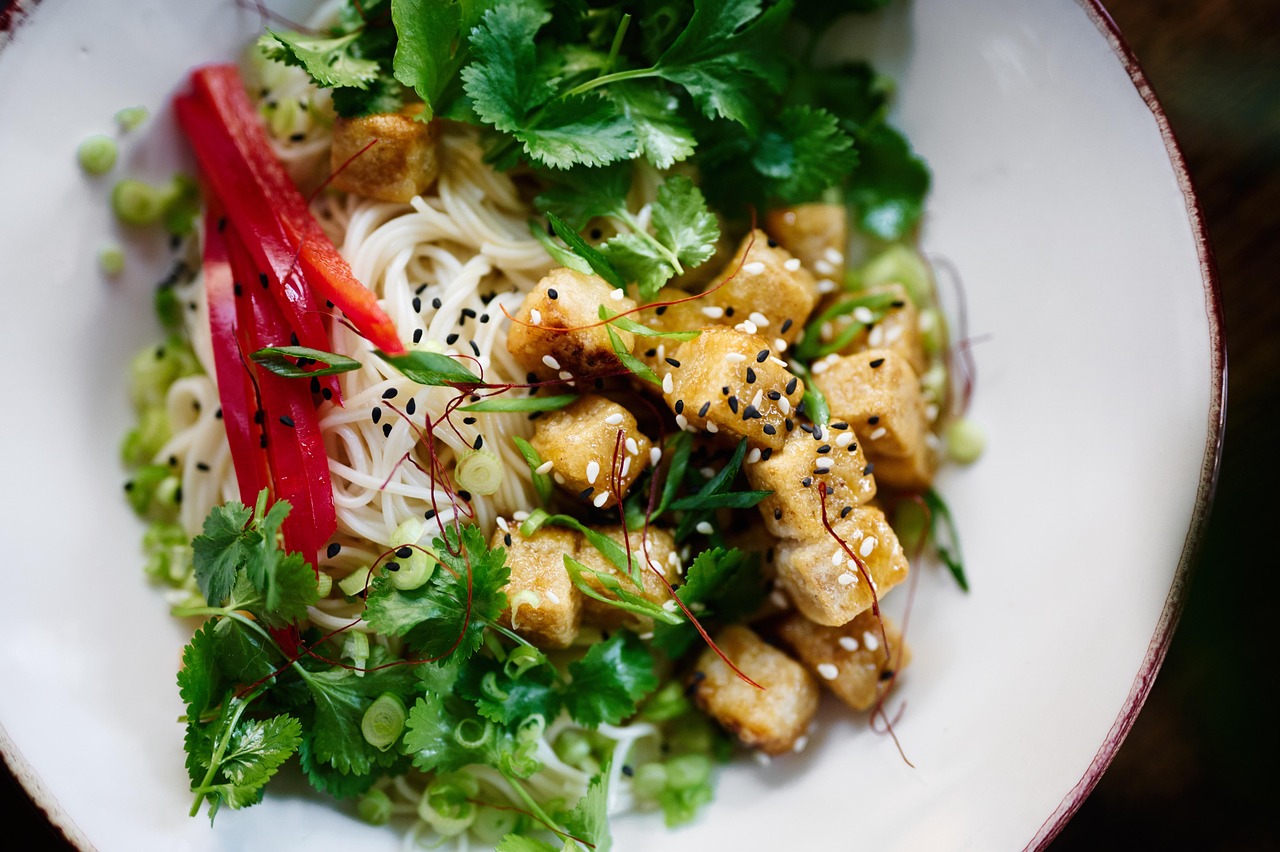
Fresh spring rolls with tofu, com chay plates, tofu in tomato sauce, morning glory stir-fried with garlic, banh mi with egg or tofu if you eat eggs, sticky rice, and the enormous range of fruit. Hue, with its Buddhist tradition, has a particularly strong vegetarian repertoire — another argument for spending time there.
Vegans should watch for eggs and condensed milk, the latter being in most coffee by default — ask for black, or check whether plant milk is available in the specialty places. Our coffee guide covers ordering.
Cities compared
Ho Chi Minh City and Hanoi both have a good modern vegan scene alongside the traditional com chay places, with dedicated restaurants and delivery apps that filter properly. Da Nang and Hoi An are well covered thanks to the tourist trade. Smaller towns and rural areas are where you fall back on com chay and on markets — which work everywhere, because you can see exactly what you are buying.
Cooking for yourself
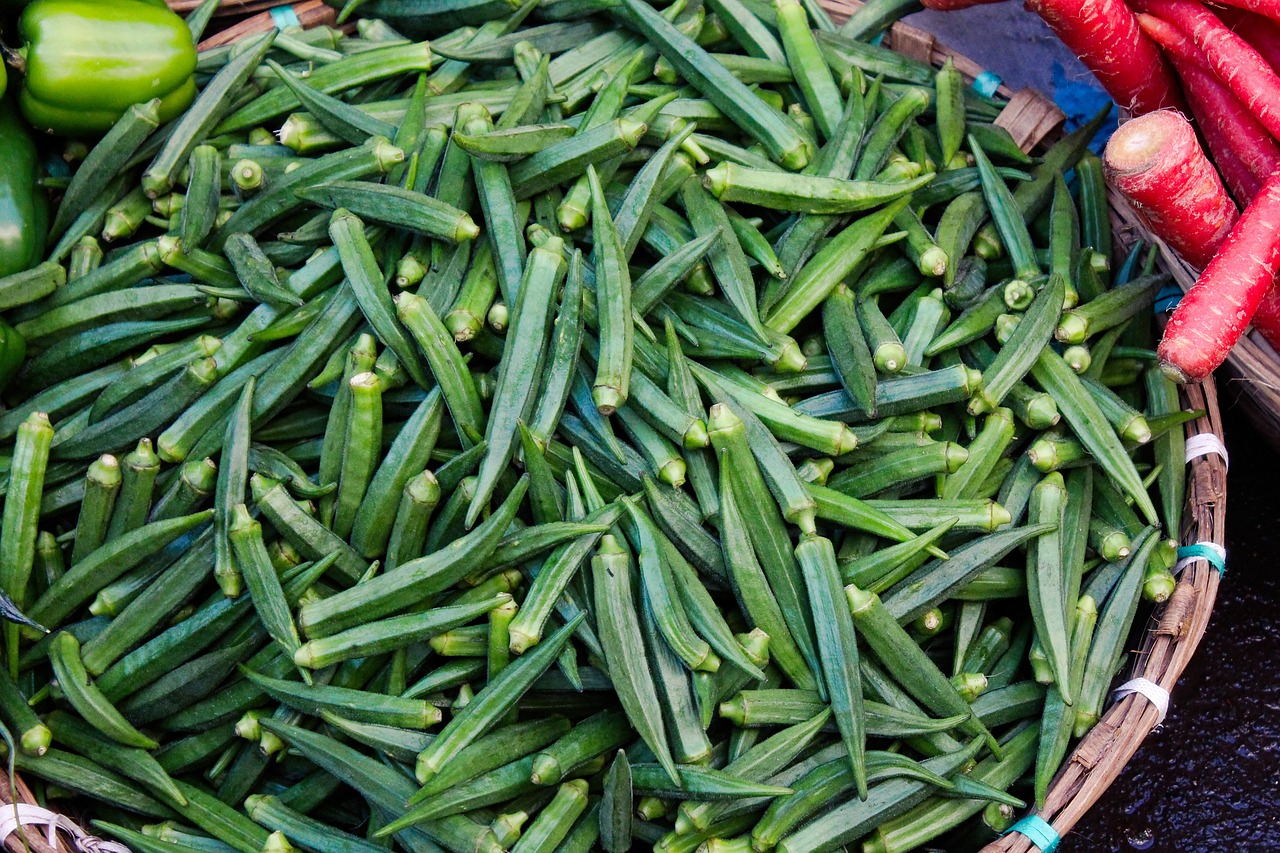
Markets make this easy and cheap: tofu is fresh and excellent, herbs cost almost nothing, and the vegetable range is enormous. If you are staying long enough to cook, this is the most reliable solution of all — and a shared kitchen makes it social rather than a chore, which is one of the underrated practical arguments for co-living over a studio flat.
A note on how you ask
Dietary restrictions are not a familiar concept everywhere, and refusing food can read as rejecting hospitality. Explain briefly, cheerfully, and without implying anything is wrong with what is being served — framing it as a Buddhist practice is instantly understood and respected. Our etiquette guide covers the wider dynamic, particularly around eating in someone’s home.
For the omnivore’s version of the same territory, our food guide covers what to order more broadly.