Quang Binh province holds the largest cave passage on the planet, and for most of the twentieth century almost nobody knew. The system was properly surveyed only in recent decades, and the province went from one of Vietnam’s poorest and least-visited to the location of some of the most extraordinary caving on earth.
Phong Nha village, the base for all of it, has grown into something rare in Vietnam: a small, walkable, low-rise place built around outdoor activity, surrounded by karst mountains and rice fields, with a genuinely good food scene for its size.
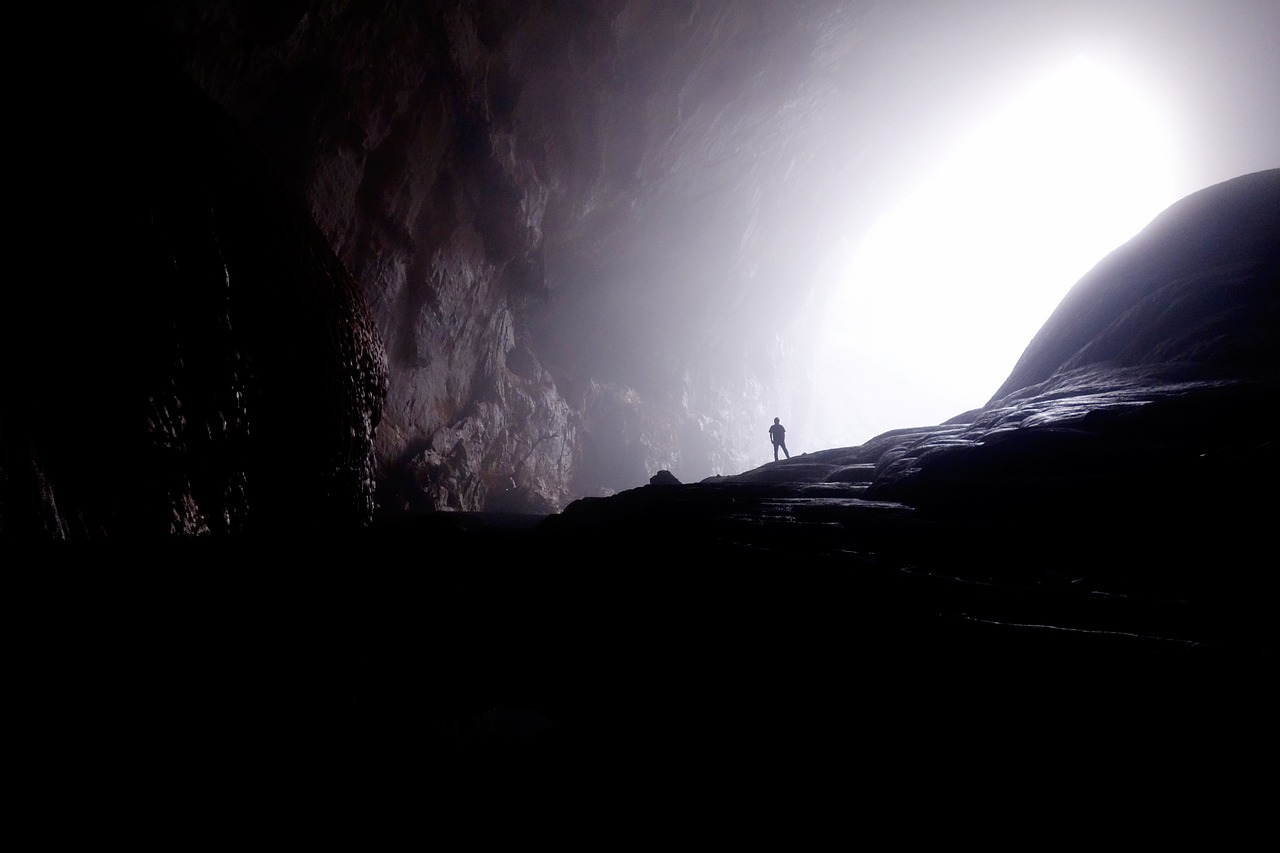
The caves, tiered by commitment
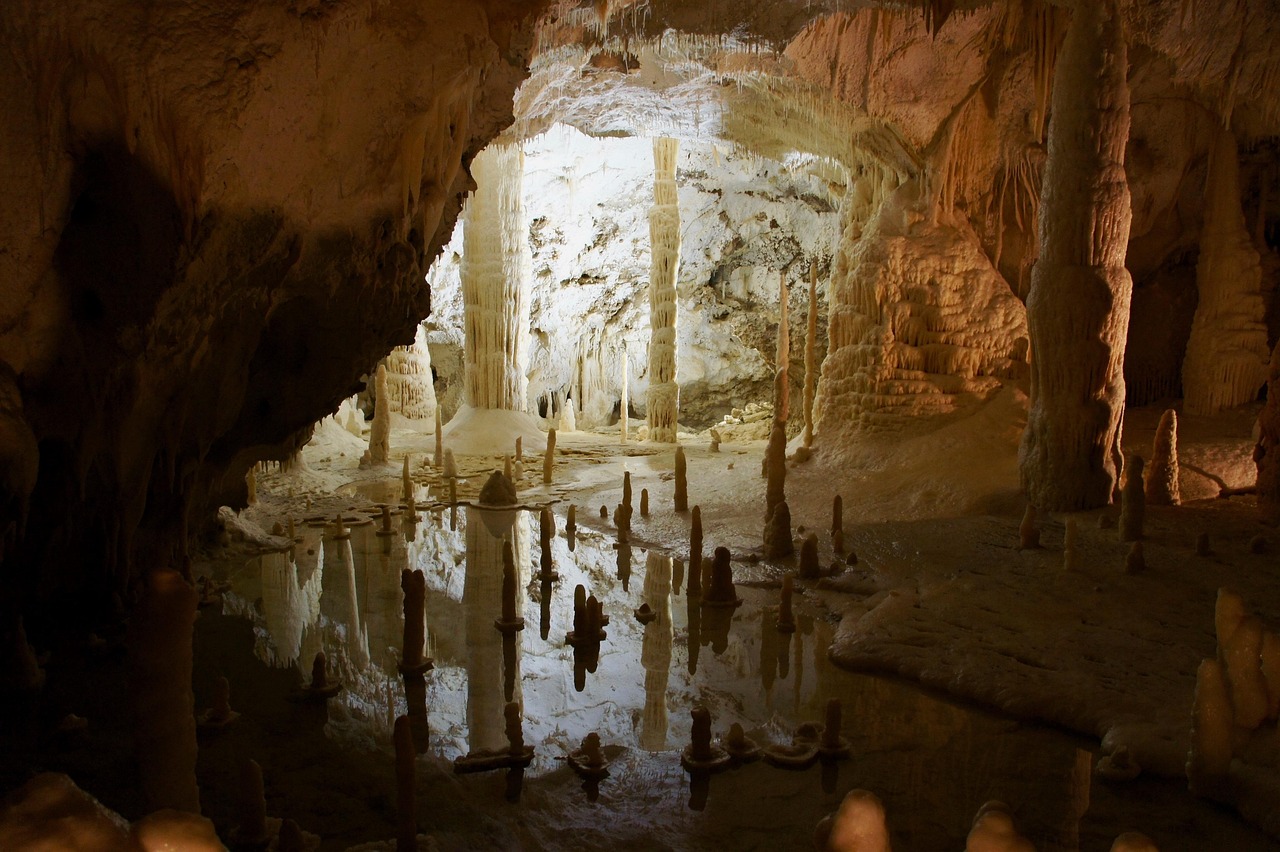
The show caves — Phong Nha cave itself, reached by boat along the river, and Paradise Cave with its wooden walkway into a vast chamber — require nothing of you beyond a ticket. Both are spectacular. Paradise Cave in particular is one of the most impressive interiors you will stand in anywhere.
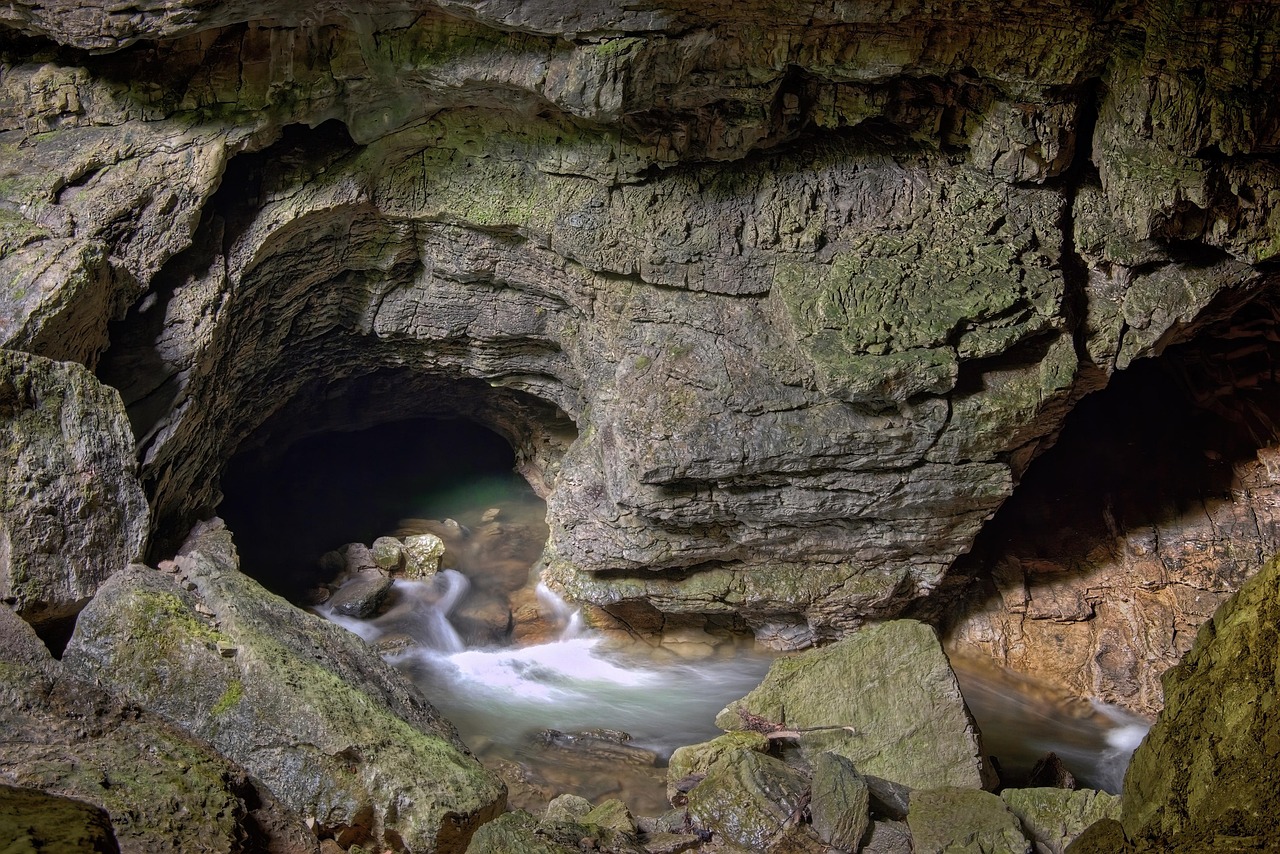
The middle tier involves getting wet: caves reached by kayak, swims through underground rivers, mud baths, zip lines. Day trips, no experience needed, and for most people the sweet spot of the whole region.
The expeditions are multi-day, permit-limited, guided treks that camp underground. Son Doong, the largest, is famously expensive, books out far ahead, and is run under strict permit limits — but several other multi-day options cost a fraction of it and deliver a comparable sense of scale. If serious caving is why you are coming, research the operators carefully and book well ahead.
Above ground
It would be a shame to only go underground. The countryside around the village is flat, quiet and beautiful, and a rented bicycle or motorbike gets you into rice fields and small villages within minutes. The Bong Lai valley — a loop of farm restaurants and small bars in the hills — is a well-established and thoroughly pleasant afternoon.
The province also carries heavy war history; this was among the most bombed areas on earth, and traces of the Ho Chi Minh Trail run through it. Several routes and sites address that directly, and they are worth the time.
How long to stay
Three days is the honest minimum: one show cave, one wet adventure day, one day on a bike above ground. Five is better if you want an expedition or simply to sit still in a very quiet place.
People routinely plan two nights and extend. The village has that effect.
Getting there
Phong Nha sits between Hue and Hanoi on the main north–south line. The nearest station is Dong Hoi, about an hour away, with buses and transfers meeting trains. The overnight train from Hanoi is a good way to arrive — see our guide to travelling Vietnam by train.
Coming from the south, it pairs naturally with Hue, four hours down the road, which makes an easy and rewarding two-stop stretch.
Timing matters more here than most places
This is the important practical point. Quang Binh has a pronounced wet season in the autumn months, and it is not a matter of inconvenience — river caves close, tours are cancelled, and the region floods. The expedition season runs roughly from early in the year through to early autumn, and outside it many of the best experiences are simply unavailable.
Check what is actually operating before you book travel around it. The regional timing guide covers the pattern, and the weather here is the reason to plan rather than improvise.
Working from Phong Nha
You can, briefly. Connectivity in the village is serviceable and there are cafés with wifi, but this is a small rural place with no coworking and no professional community. It is a place to take days off, not to run a deadline week from. Our connectivity guide covers keeping mobile data as a backstop.
Fitting it in
Phong Nha works best as a three-to-five day block inside a longer central Vietnam stretch — Hue, Phong Nha, and back down the coast to Da Nang or Hoi An. Building a Vietnam route around a few fixed bases with trips like this between them is the pattern that tends to work; the case for staying 30 days instead of 3 explains why, and NextU’s locations and membership are structured around moving that way. The experiences programme covers organised trips if you would rather not arrange it yourself.