Slow Living in Vietnam: Why More People Are Choosing to Stay Longer
There’s a particular kind of exhaustion that comes from moving too fast. Not physical tiredness — the kind that comes from always arriving somewhere new before you’ve understood the last place. From optimizing every week. From never staying long enough to be changed by where you are.
More people are recognizing this feeling. And a growing number of them are finding that Vietnam — specifically, the decision to stay in Vietnam longer, slower — is the antidote.
This is not a post about productivity tips or travel hacks. It’s about a different orientation to time and place. About what becomes possible when you slow down in a country that’s worth slowing down in.
What Slow Living Actually Means
Slow living is not the absence of doing. It’s not a retreat from life or a rejection of ambition. It’s the practice of choosing depth over throughput in how you spend your time.
In practical terms:
– Staying somewhere long enough to have a favorite breakfast spot, not just a Tripadvisor-rated one
– Walking instead of optimizing for speed
– Learning a few words of the local language
– Having the same conversations with the same people, and watching them deepen
– Letting a place shape your routine rather than imposing your routine on every new place
Slow living looks different in different countries. In Vietnam, it takes a particular form — shaped by the culture, the climate, the food, the particular qualities of the land.
Why Vietnam
Vietnam is not an obvious slow-living destination. It’s busy, loud in places, energetic. Ho Chi Minh City doesn’t sleep. Hanoi’s traffic is legendary. The country is modernizing rapidly.
But Vietnam also has something that resists pace in a way that quieter, “slow” countries sometimes don’t. The culture has deep roots in exactly the qualities that slow living tries to cultivate.
The ritual of food. Vietnamese food culture is intrinsically slow. The best phở is made over hours. A proper bowl of bún bò Huế has been in preparation since morning. Street food culture isn’t about eating standing up and moving on — it’s about pulling up a plastic stool at the same place every day, being recognized, watching the neighborhood. Food here is a practice of place.
The relationship with nature. Outside the major cities, Vietnam’s landscape is extraordinary and accessible. The highlands, the coast, the river delta, the forests — and the culture of working with this land, not against it. Traditional farming, lotus cultivation, herbal medicine, rice paddies — these slow things are still present and alive.
The Buddhist context. Vietnam’s cultural substrate includes Buddhist traditions that value non-attachment, presence, and the quality of attention. This isn’t a tourist attraction — it’s woven into daily life in ways that create a different ambient quality than places built around achievement and acquisition.
The cost of time. Living affordably in Vietnam means you don’t have to fill every waking hour with paid work. The financial pressure that keeps many people in permanent urgency elsewhere is reduced. This is structural permission for slowness — and it matters.
What Slow Living in Vietnam Looks Like in Practice
The people who do this well share some common patterns:
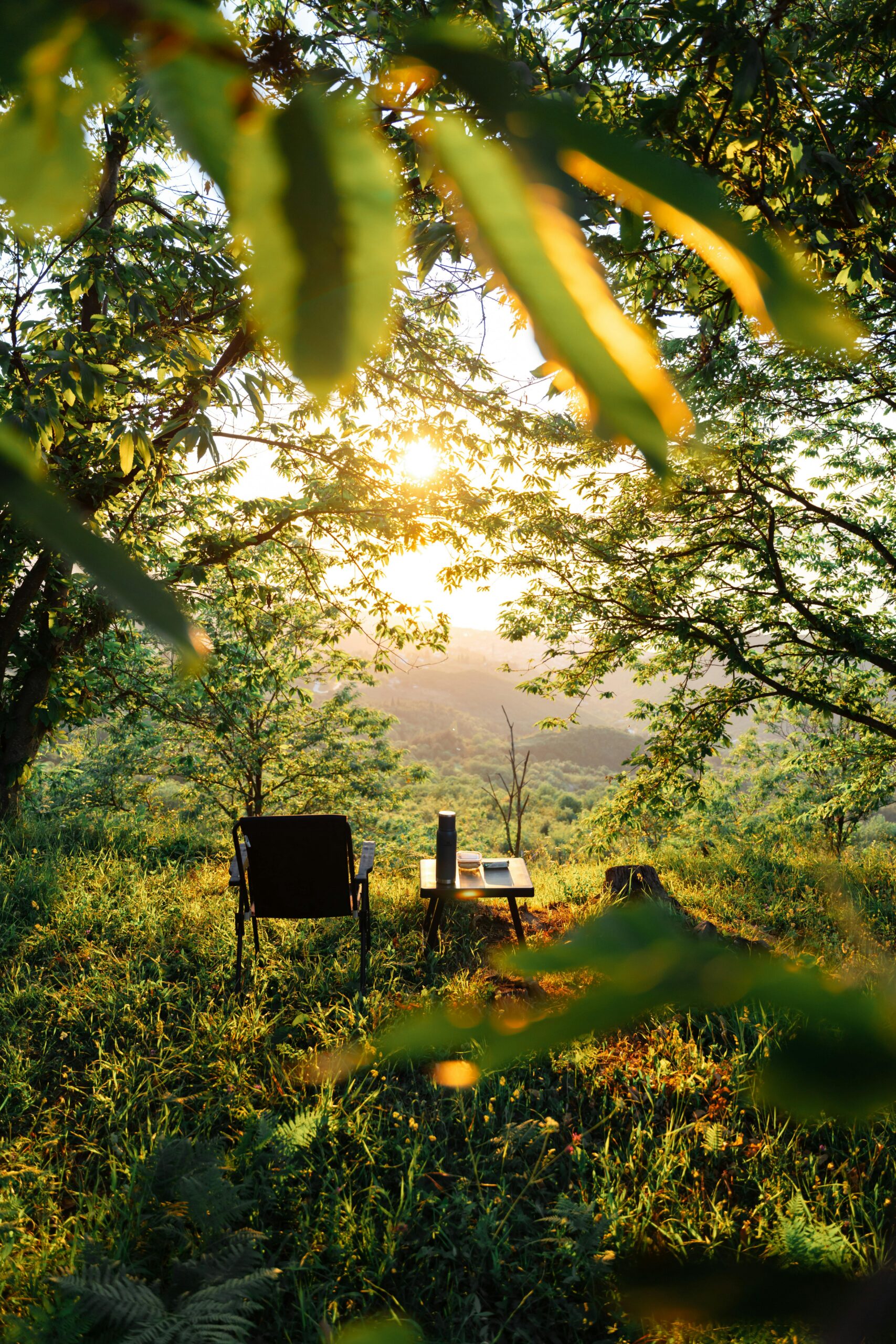
They choose one place and stay. The temptation in Vietnam is to see everything — the country offers so much. But the nomads who find genuine depth here tend to resist this. They base in one city for a month or more, take fewer trips, and let themselves actually live somewhere.
They establish rhythm. The same café for morning coffee. The same market for produce. The same route to the coworking space. Rhythm isn’t boring — it’s the substrate from which meaning grows.
They engage with local culture. Vietnamese cooking classes, language exchanges, craft workshops, traditional medicine experiences — these aren’t tourist activities. They’re access points into a culture that rewards engagement.
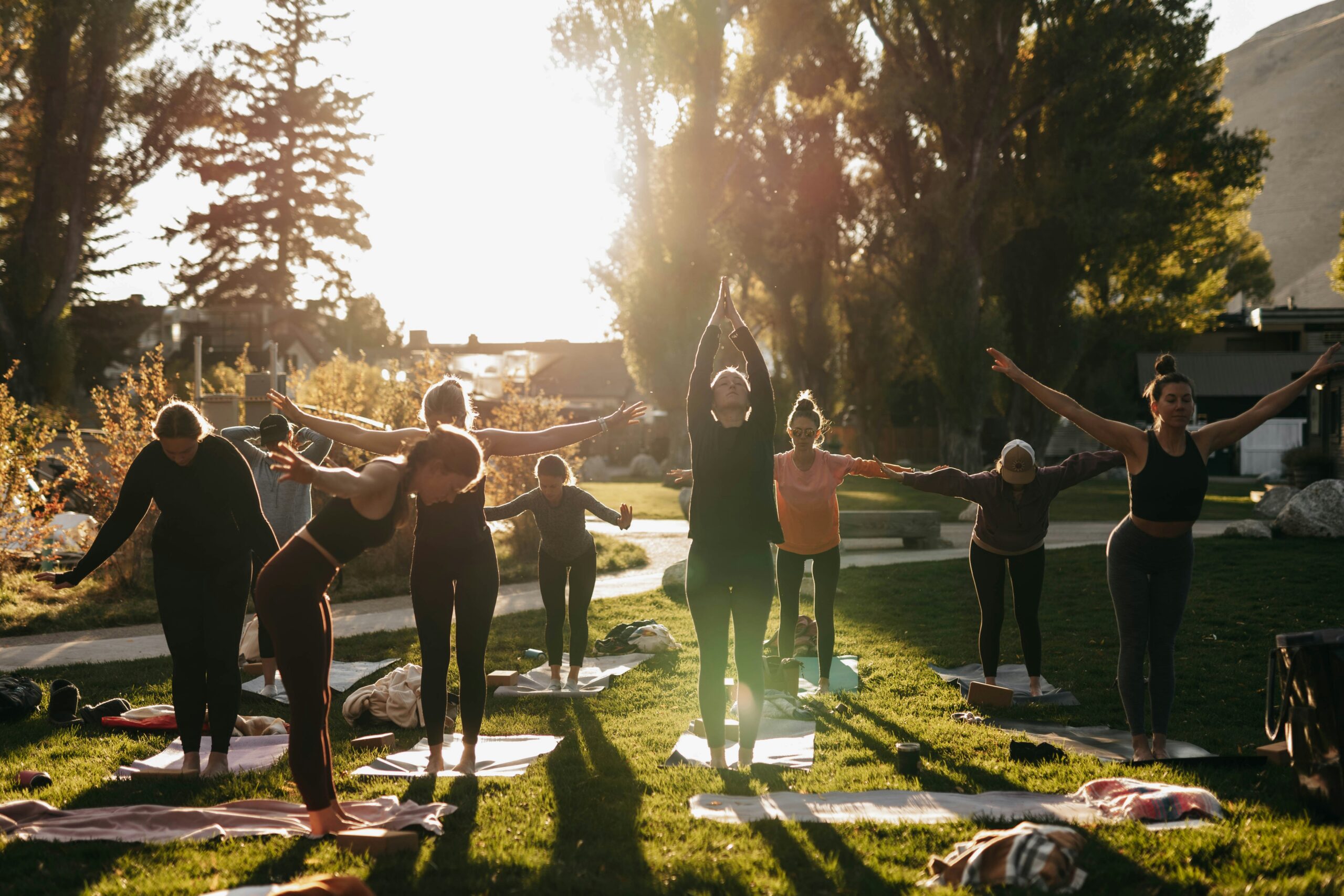
They build community. Slow living in isolation is just quiet. The co-living and conscious community context — where you’re around people who share a similar orientation — is what turns individual slowness into a genuinely transformative experience.
The Places in Vietnam That Reward Slowness
Not every part of Vietnam is equally suited to slow living. Some places have more of the necessary qualities:
Hoi An. The small scale, the historic character, the river, the beach nearby — Hoi An is built for a certain kind of attentiveness. The city has been a destination for thoughtful travelers for decades, and the infrastructure (in terms of spaces, community, food) that serves them is well-developed.
The Central Highlands. Đà Lạt and the surrounding region — cooler temperatures, pine forests, coffee plantations, minority cultures with deep traditions. A genuinely different Vietnam from the coast, and one that rewards longer engagement.
The Northwest Mountains. The Hà Giang loop, Sapa, Bắc Hà — if you want landscape-induced slowness, the mountains of northern Vietnam deliver it in abundance. Less infrastructure, more depth.
Farmstay environments. Vietnam’s farmstay culture — staying on working farms, participating in agricultural life, living closer to the land — is still emerging but growing. This is perhaps the purest version of slow living available here.
The Challenge
Slow living is harder than it sounds. The habits of urgency are deeply ingrained. The impulse to maximize, to see one more thing, to keep moving — these don’t disappear just because you’re in Vietnam.
The people who find it tend to have made a conscious decision before arriving: I’m going to stay in one place, build a rhythm, let myself be changed by this. That decision — made and recommitted to regularly — is what creates the conditions for the thing itself.
Community helps. Being around people who share this orientation creates a gravitational field. When the people you eat dinner with are also not rushing, slowness becomes easier.
What You Get in Return
The return on slow living in Vietnam is not immediately obvious. It doesn’t show up on any productivity metric.
What it actually delivers, for people who stay long enough:
Clarity. Without constant novelty and stimulation, what actually matters to you becomes clearer.
Creative depth. Creative workers — writers, designers, artists — often find that the slower rhythm produces better work. Not more output. Better output.
Real relationships. The friendships formed over weeks of shared daily life have a different quality than those made at networking events.
A changed relationship with time. The nomad who’s stayed in one place for a month experiences time differently than the one who’s seen ten countries. Slower = longer, in terms of felt experience.
NextU is building co-living spaces across Vietnam for people who want to live this way — intentionally, in community, in places that reward attention. Join the waitlist to follow along.