Two calendars run in parallel in Vietnam. The solar one governs the official public holidays. The lunar one governs most of the festivals people actually observe, which means the dates move every year and a festival that fell in early February last year may land in late January the next.
If you are staying more than a few months, knowing what is coming is practical rather than cultural — it determines when transport sells out, when your bank closes for a week, and when the street outside your flat becomes a different place.
Tet — the one that reorganises everything
Lunar New Year, falling between late January and mid-February. It is not comparable to Christmas so much as to the entire country pausing at once. Businesses close for a week or more, migrant workers travel home en masse, transport books out weeks ahead and prices rise sharply.
The days immediately before are frantic; the first days of the new year are eerily quiet in the cities, with much of the population elsewhere and many shops shut. It is either the most interesting week to be here or the most inconvenient, depending entirely on your preparation.
We have a full guide to Tet as a foreigner living in Vietnam — read it well before the date, not the week of.
The rest of the official calendar
- International New Year — 1 January, a single public holiday and a low-key affair compared with Tet.
- Hung Kings Commemoration Day — lunar, usually falling in April. Honours the legendary founders of the nation, with the main observance at the Hung Temple in Phu Tho north of Hanoi.
- Reunification Day — 30 April, marking the end of the war in 1975.
- International Labour Day — 1 May, and because it sits next to Reunification Day the two combine into a long national break. This is the second-biggest domestic travel period of the year, so book ahead and expect coastal towns to be full.
- National Day — 2 September, marking the 1945 declaration of independence. Parades, flags and fireworks in the major cities.
Public holiday dates can shift when they fall at a weekend, and the government confirms the exact arrangement each year — worth checking rather than assuming.
The lunar festivals worth knowing
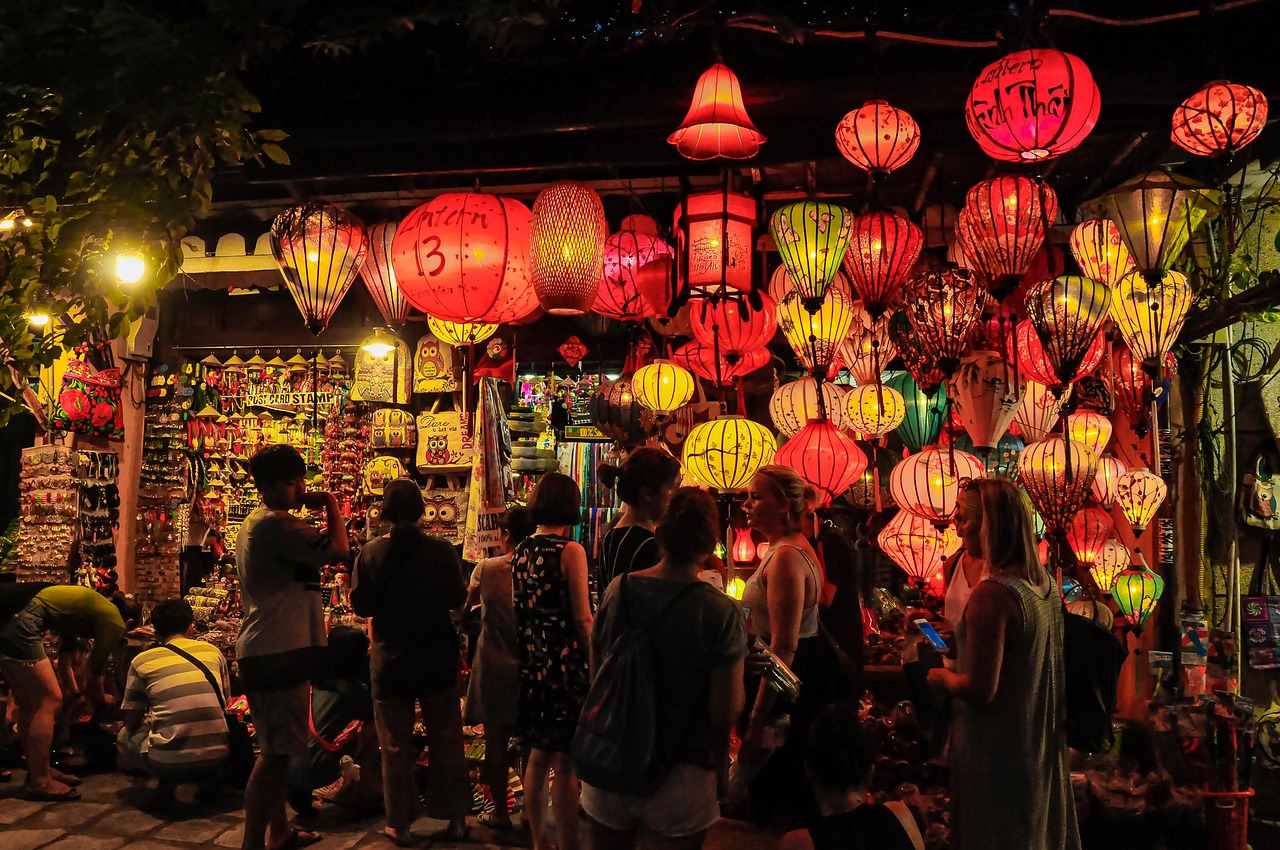
Mid-Autumn Festival (Tet Trung Thu), on the fifteenth day of the eighth lunar month, usually falling in September. Originally a harvest festival, now largely a children’s festival — lanterns, lion dances, mooncakes given as gifts in enormous quantities in the weeks before. The best of the year for atmosphere, and Hoi An is spectacular for it.
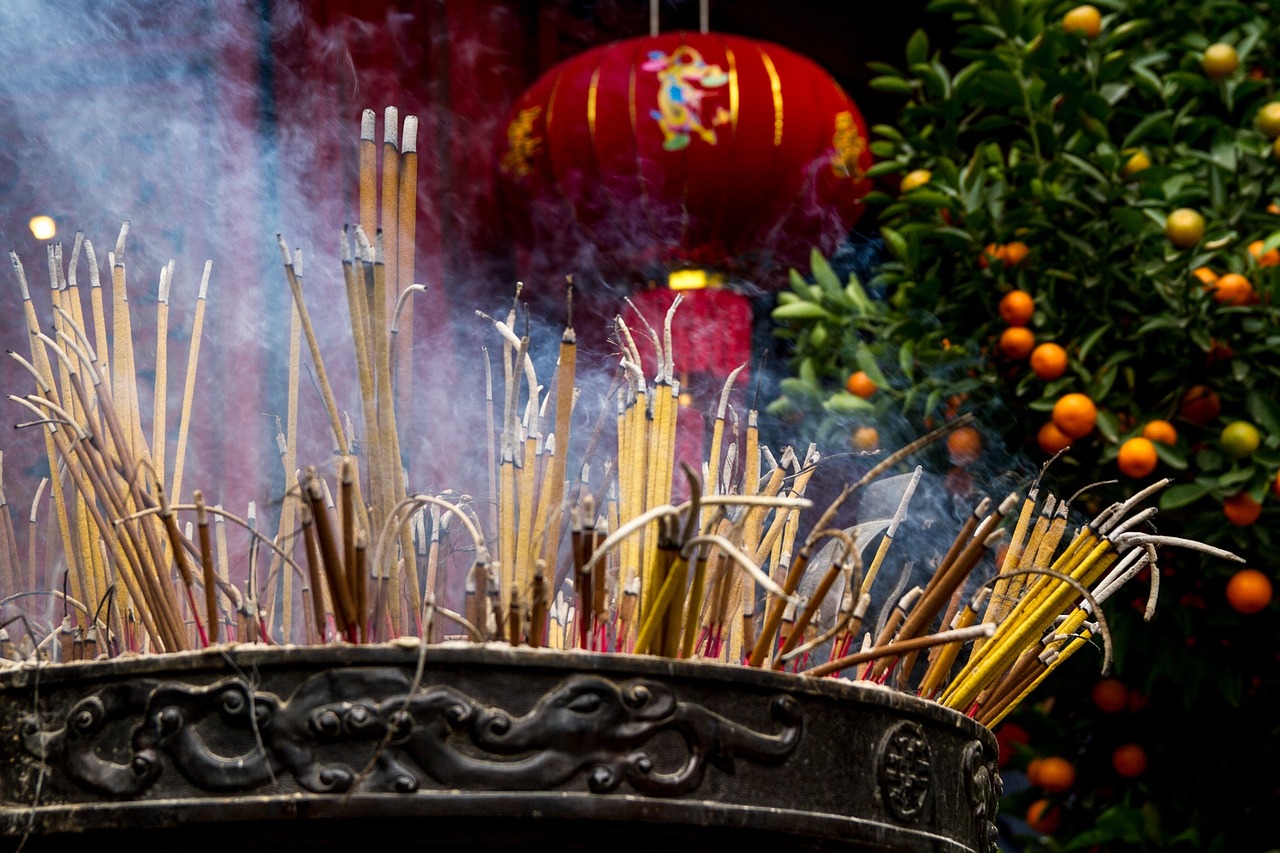
Hungry Ghost Festival (Vu Lan), seventh lunar month. Offerings burned for ancestors and wandering spirits, temples busy, and a strong tradition of honouring mothers. You will see paper offerings burning on pavements throughout the month.
Buddha’s Birthday (Vesak), fourth lunar month, with temples decorated and processions in the more Buddhist regions — Hue in particular.
Kitchen Gods (Ong Cong Ong Tao), a week before Tet, when carp are released into rivers and lakes to carry the household gods to heaven. A lovely thing to witness at a city lake.
Hoi An lantern nights, on the full moon each month, when the old town switches off electric light in favour of lanterns. Not a national holiday but among the most beautiful recurring events in the country — see our Hoi An guide.
Practical consequences
- Travel books out around Tet and the April–May holiday. Trains and flights sell weeks ahead and prices climb steeply — see the train guide.
- Administrative things stop. Visa processing, banking and anything involving an office pauses around major holidays. Do not plan a visa renewal near Tet. See the visa guide and the banking guide.
- Domestic tourism fills the coast. Vietnamese holidays crowd beach towns far more than foreign tourism does.
- Prices rise for transport and accommodation around the big dates, and some services add a surcharge.
- Some restaurants close for a week or more at Tet, including your local. Stock up.
Being invited
If you are here long enough, someone will invite you to a family gathering — most likely around Tet or a death anniversary, which are major family occasions. Accept. Bring fruit or sweets, expect to be fed relentlessly, and read our etiquette guide beforehand, particularly the parts about addressing people by relative age and about lucky money at Tet.
These are the occasions that turn a stay into a connection with a place. If you are not likely to get an invitation on your own, living somewhere with local ties makes it far more likely — NextU’s community and experiences programmes are built around exactly that kind of access, and the events calendar tends to mark the major dates.