People arrive in Vietnam expecting the food and the walking to keep them healthy, and then discover that a diet of banh mi and beer, combined with sitting in cafés for nine hours, produces exactly the result you would expect.
The infrastructure for staying fit here is better and cheaper than in most Western countries. What is different is the climate, which quietly dictates everything about when and how you train.
Train early, or do not train
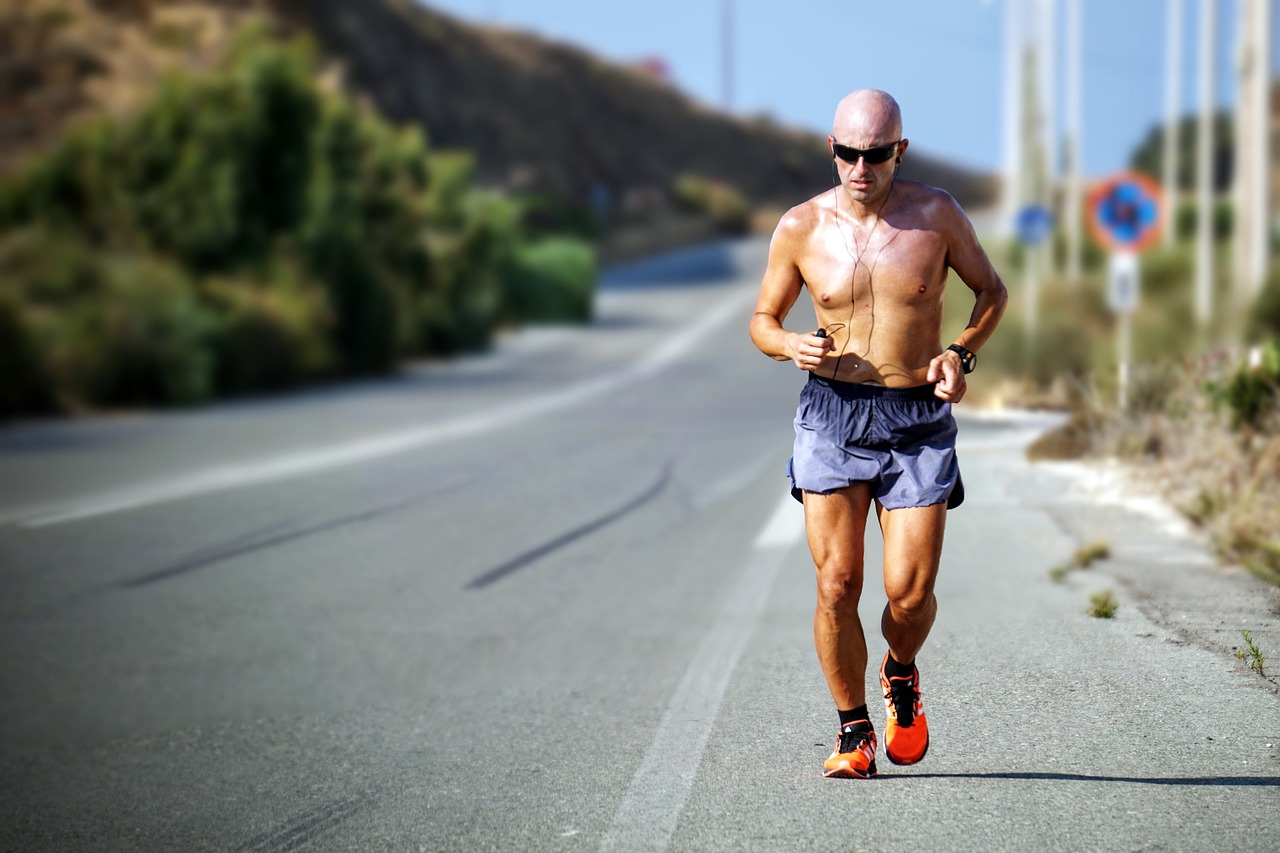
This is the whole game. Vietnamese cities are hot and humid for most of the year, and outdoor exercise between roughly nine in the morning and five in the afternoon ranges from unpleasant to genuinely unwise.
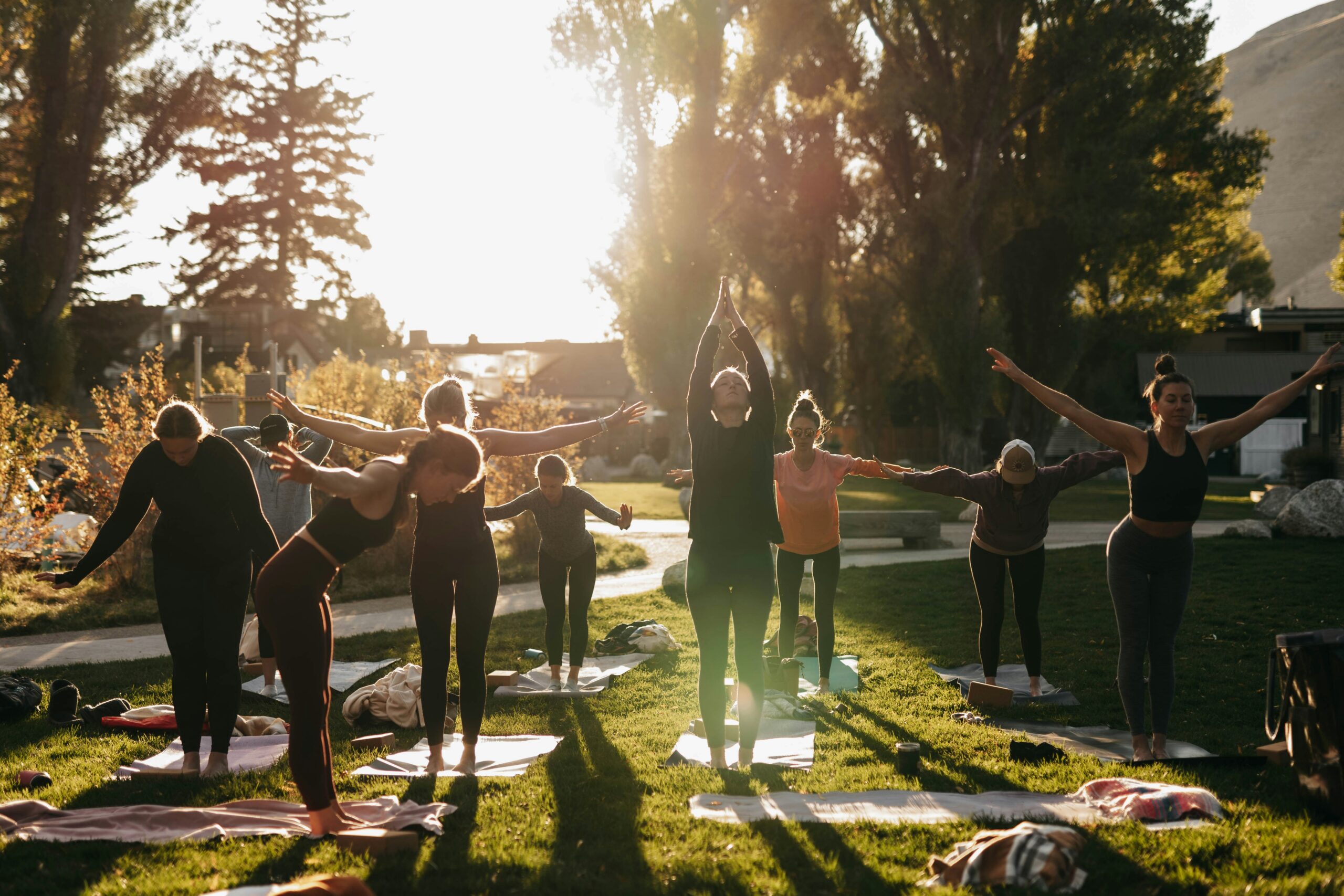
Locals have this sorted. Parks and lakesides fill from before six with people running, doing tai chi, using the free outdoor exercise machines, playing badminton and dancing in groups. It is one of the most cheerful things about Vietnamese city life, and joining it is easy — nobody minds, and several of the group activities will actively wave you in.
Evenings work too, after the heat drops. The middle of the day is for being indoors, which happens to align well with a remote work schedule.
Gyms
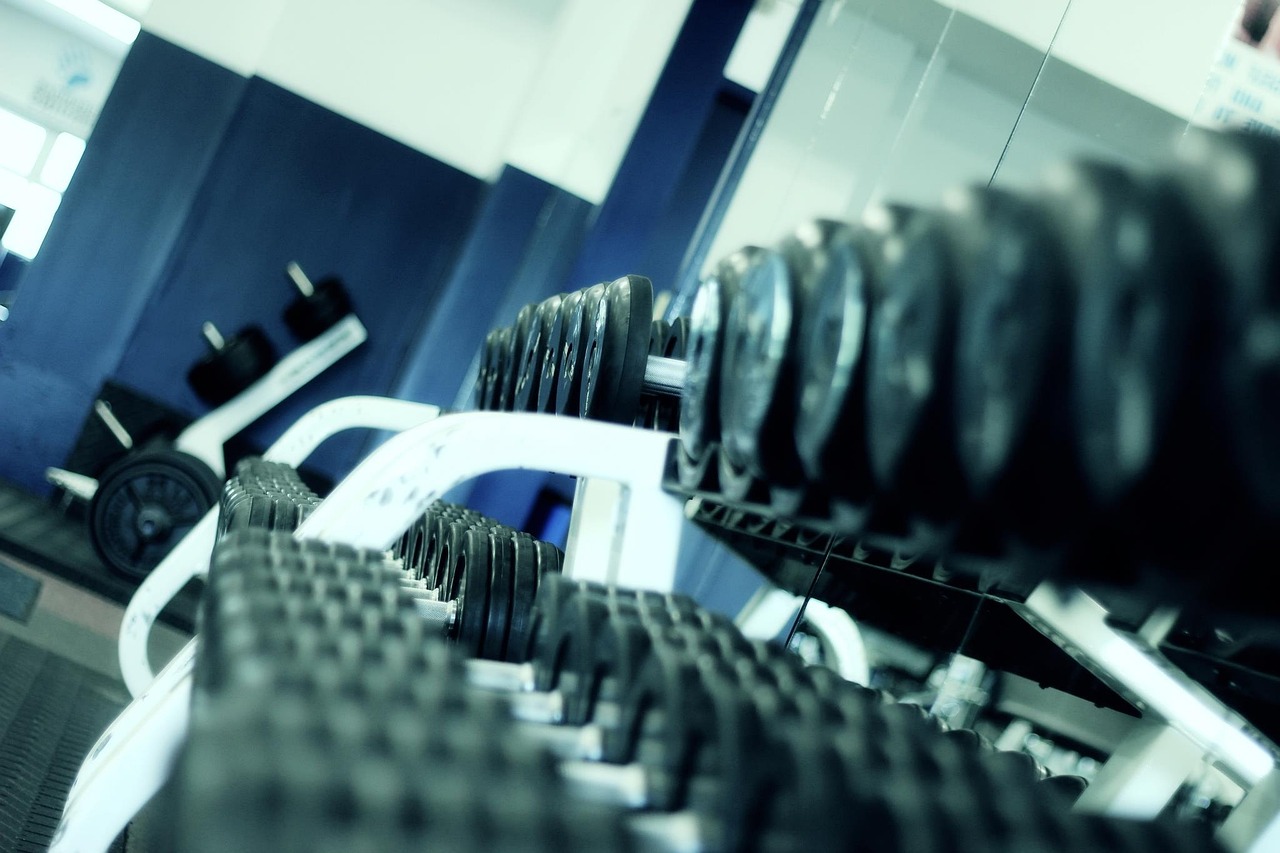
Every city has them, from large air-conditioned chains to small neighbourhood weight rooms. Monthly memberships are inexpensive by Western standards, and even the premium chains cost a fraction of what an equivalent would in Europe or the US. Day passes are widely available if you are only in town briefly.
Check the air conditioning before committing, particularly in smaller gyms. An unairconditioned weight room in Saigon in April is a serious proposition.
Swimming
The most underrated option, and the one that works best in this climate. Public pools are cheap, hotel pools often sell day or monthly access, and the coastal cities give you the sea.
In Da Nang, Nha Trang and Quy Nhon, an early morning sea swim is a realistic daily habit and an excellent anchor for the rest of the day — something we cover in building a routine in a new city.
Classes, martial arts and teams
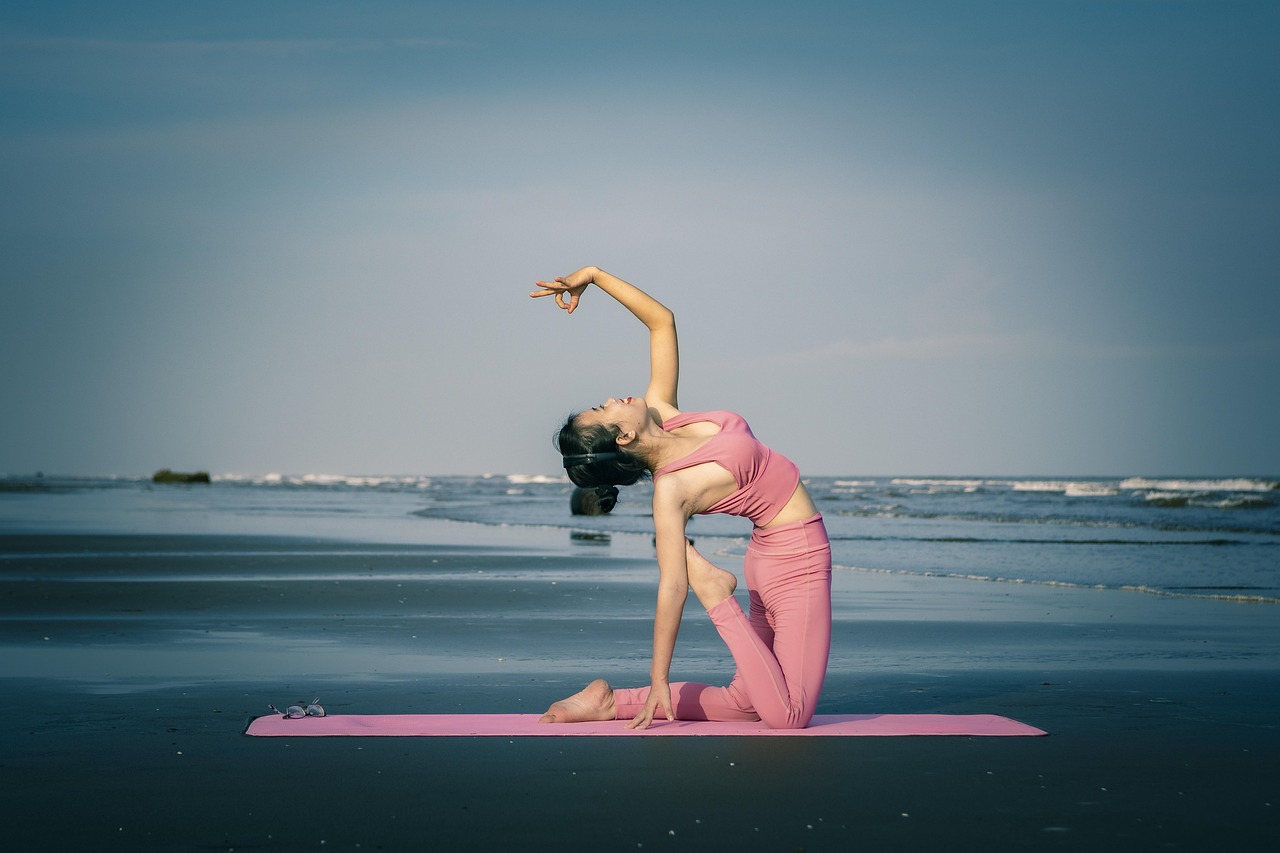
Yoga studios are plentiful and inexpensive in the main cities. Muay Thai, boxing and BJJ gyms have grown substantially and are welcoming to beginners. Football, badminton, running clubs and climbing all have active scenes with foreign and Vietnamese members mixed.
The social benefit here is at least equal to the physical one. A team or a class puts you in a room with the same people twice a week, which is precisely the mechanism described in how to make friends as a remote worker abroad.
Air quality, which is a real consideration
Hanoi in particular has significant seasonal air pollution, with the worst stretches typically in the cooler, drier months. Ho Chi Minh City is generally better but not immune, and traffic-heavy streets are worse than parks and lakesides anywhere.
Practical response: check an air quality index app before outdoor training, move sessions indoors on bad days, train near water and green space where you can, and consider a decent mask for riding in traffic. This is worth taking seriously if you have asthma or any respiratory condition. Coastal cities are consistently better on this measure than the big inland ones.
The heat, and hydration
You will sweat more than you are used to and dehydrate faster than you notice, particularly if you are drinking a lot of iced coffee. Electrolytes matter here in a way they do not in a temperate climate; sachets are sold in every pharmacy and are cheap.
Give yourself a week or two to acclimatise before expecting normal performance. Everyone underestimates this and everyone has a bad first session.
Eating well
Vietnamese food is one of the healthier cuisines in the world — herb-heavy, vegetable-forward, mostly not fried, and built on rice and broth. It is entirely possible to eat extremely well here for very little. The trap is the parallel economy of Western food aimed at visitors, and the drinking, which is cheap and social and adds up quickly.
See our food guide, and the vegetarian and vegan guide if that applies.
When something goes wrong
Have insurance and know where the nearest international-standard hospital is before you need it. Our healthcare guide covers the system, costs and what your policy should include — particularly the motorbike clause, which is where most claims are denied.
If your routine keeps collapsing whenever you move city, the underlying problem is usually structural rather than motivational. Building a routine that survives a new city covers it, and living somewhere with a rhythm already in place — shared meals, people going to the gym at the same time — does much of the work for you. That is a large part of what NextU’s co-living and community are set up to provide.