
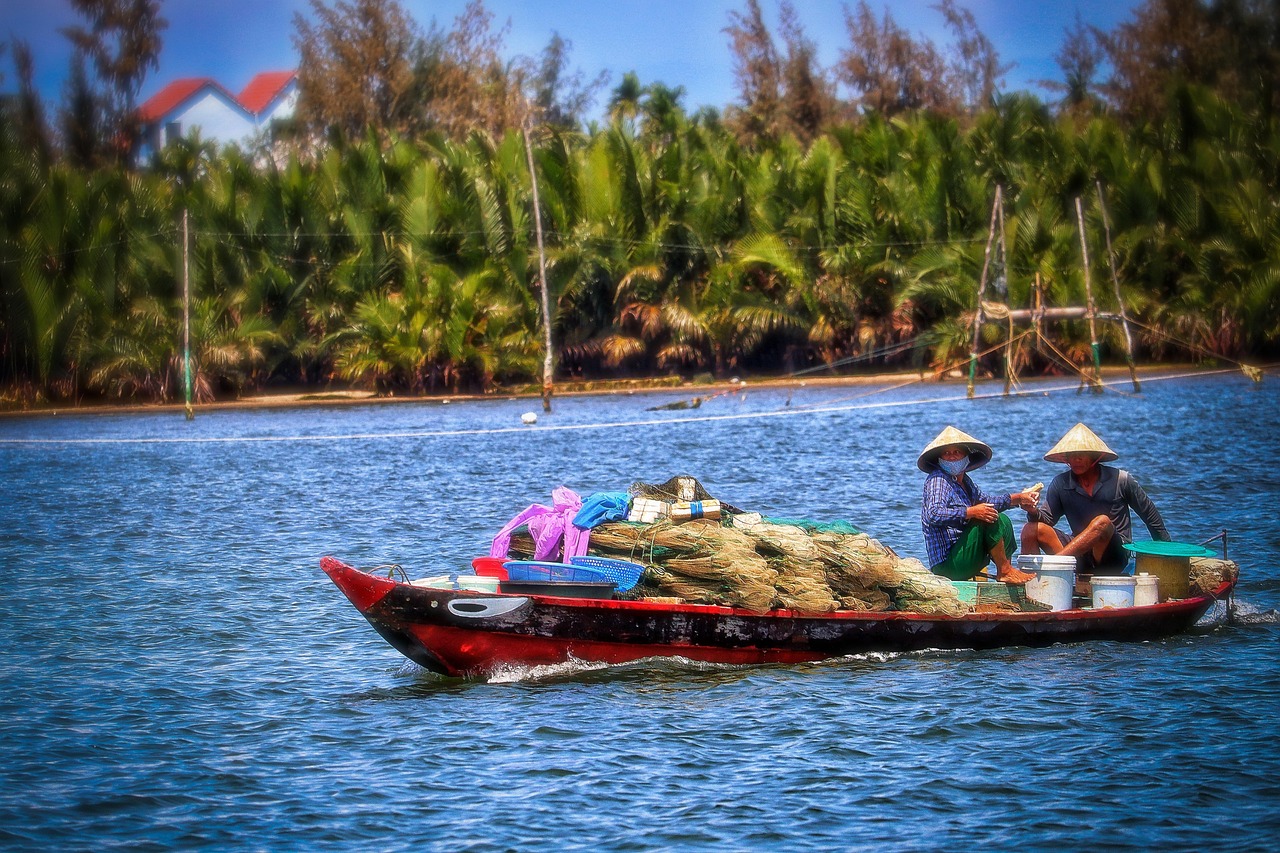
The Mekong Delta is the single most heavily toured part of Vietnam and one of the least understood. Hundreds of people leave Ho Chi Minh City every morning on a day trip, get shown a coconut-candy workshop and a boat with a woman in a conical hat, and return that evening believing they have seen it.
What they have seen is a performance built for the schedule. The delta itself is a vast agricultural region — tens of thousands of square kilometres of rice, fruit and fish, laced with canals, home to millions of people — and it opens up only when you stop treating it as a day out from Saigon.
Give it three days, minimum
The single change that transforms the delta is staying overnight. Once you do, you get the early mornings, which is when everything here actually happens. Markets that are theatre at ten in the morning are working commerce at five.
Three days lets you reach a second town. A week lets you slow down to the pace the region runs at, which is the entire point of coming.
Where to base yourself
Can Tho is the obvious first choice — the largest city in the delta, a proper urban centre with a riverfront, good food, hotels at every price, and the region’s best-known floating market nearby. It is the easiest place to arrive and the easiest to organise from.
Ben Tre is closer to Ho Chi Minh City and much quieter, built around coconut production and small canals. It is the better choice if you want homestays and waterways over a city.
Chau Doc, up near the Cambodian border, is the most distinctive — a mixed Khmer, Cham and Vietnamese town with floating fish farms and a hill that gives you the only view in a landscape with no elevation.
Vinh Long and the island homestays around it are where most of the overnight homestay traffic goes, and it is genuinely pleasant, if more organised than it looks.
The floating markets, honestly
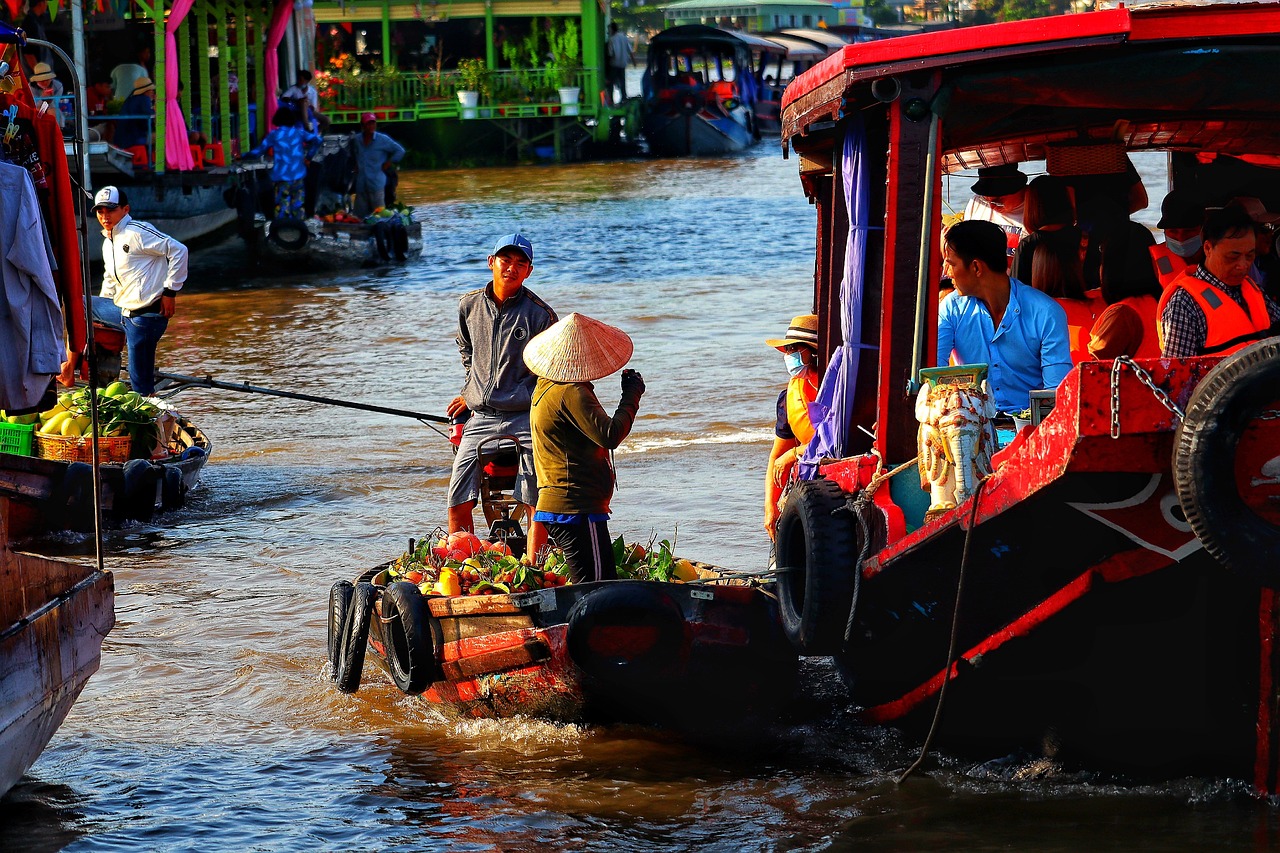
They are real, and they are shrinking. Improved roads have moved most wholesale trade onto trucks, and the markets that survive do so partly on tourism. That is not a reason to skip them — it is a reason to go early and to have appropriate expectations.
Get on the water before sunrise. By seven the wholesale business is winding down. By nine you are looking at boats selling coffee to visitors, which is fine, but it is not the thing you came for.
Getting around
Buses connect the main towns frequently and cheaply from Ho Chi Minh City — a few hours to most of the delta. Once there, the interesting movement is by water, and hiring a small boat with a local operator for a half day costs very little and is the best money you will spend in the region.
Roads are flat and quiet, which makes this good cycling country. It is also easy riding by Vietnamese standards if you have a bike — see renting versus buying a motorbike. Our transport guide covers the intercity options.
Working from the delta
Realistically, this is a place to visit rather than a base. Can Tho has decent connectivity and a few cafés that work fine for a day, but there is no coworking infrastructure and no foreign community to speak of. Homestay wifi ranges from adequate to decorative.
Treat it as the trip you take from a Ho Chi Minh City base — a long weekend that resets your sense of the country. Our Saigon district guide covers setting that base up, and weekend trips from Ho Chi Minh City covers the alternatives in the other direction.
Food
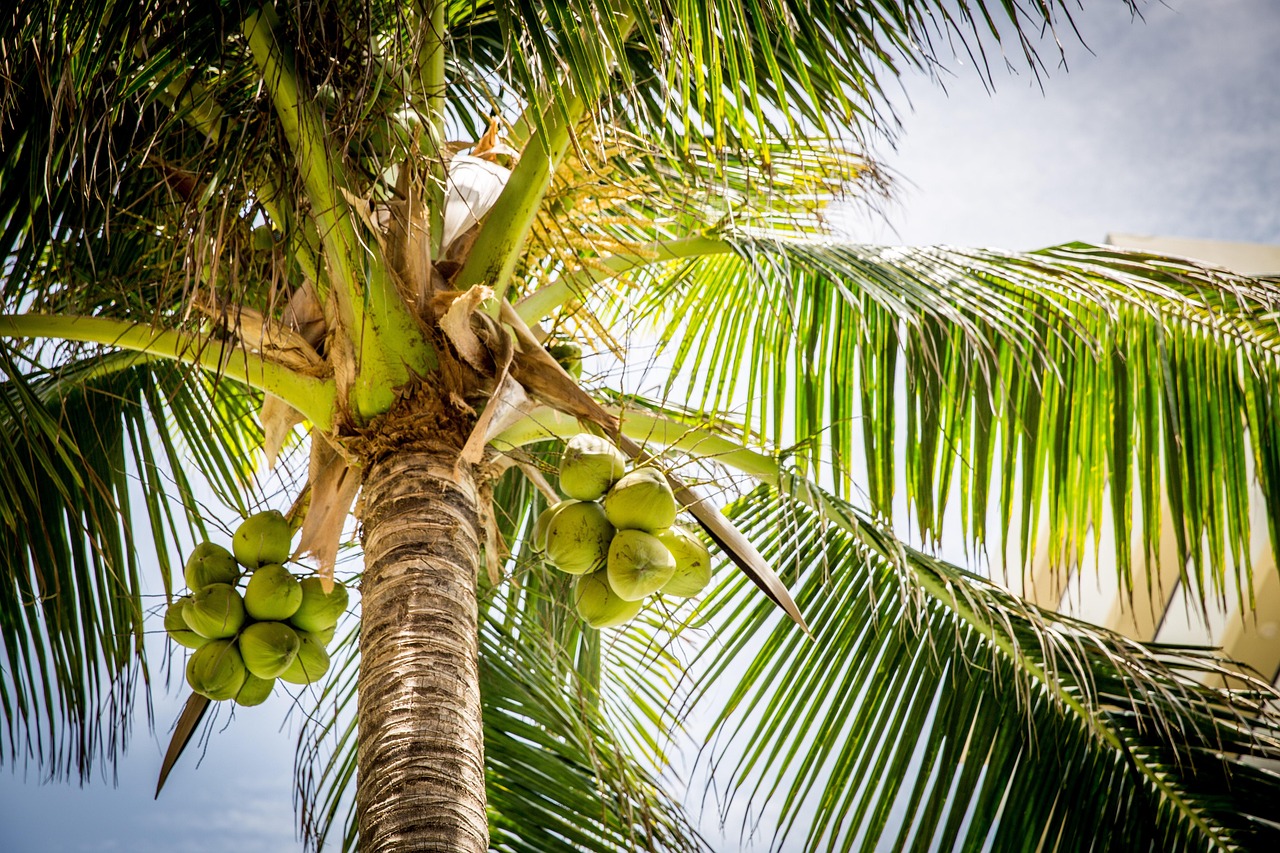
Delta cooking is sweeter than northern or central Vietnamese food, heavy on freshwater fish, coconut and an enormous range of fruit. Elephant ear fish served whole, hu tieu noodle soup, and fruit you will not find further north are the things to seek out. Our food guide has the wider map, and if you eat plant-based, our vegetarian and vegan guide covers ordering here.
When to go
The floating water season, roughly late autumn, is when the delta is most itself — flooded fields, higher canals, and a distinct set of seasonal dishes. The dry months are easier for cycling and more comfortable generally. Neither is wrong; they are different places. The regional timing guide has the detail.
Staying longer in the region
If the delta pace appeals and you want more than a weekend of it, staying somewhere that is set up for longer visits changes the experience considerably — you stop touring and start living at the rhythm of the place. NextU’s Mekong Farm Retreat sits in exactly that context, and the experiences programme runs trips into the region. Slow living in Vietnam makes the broader case.