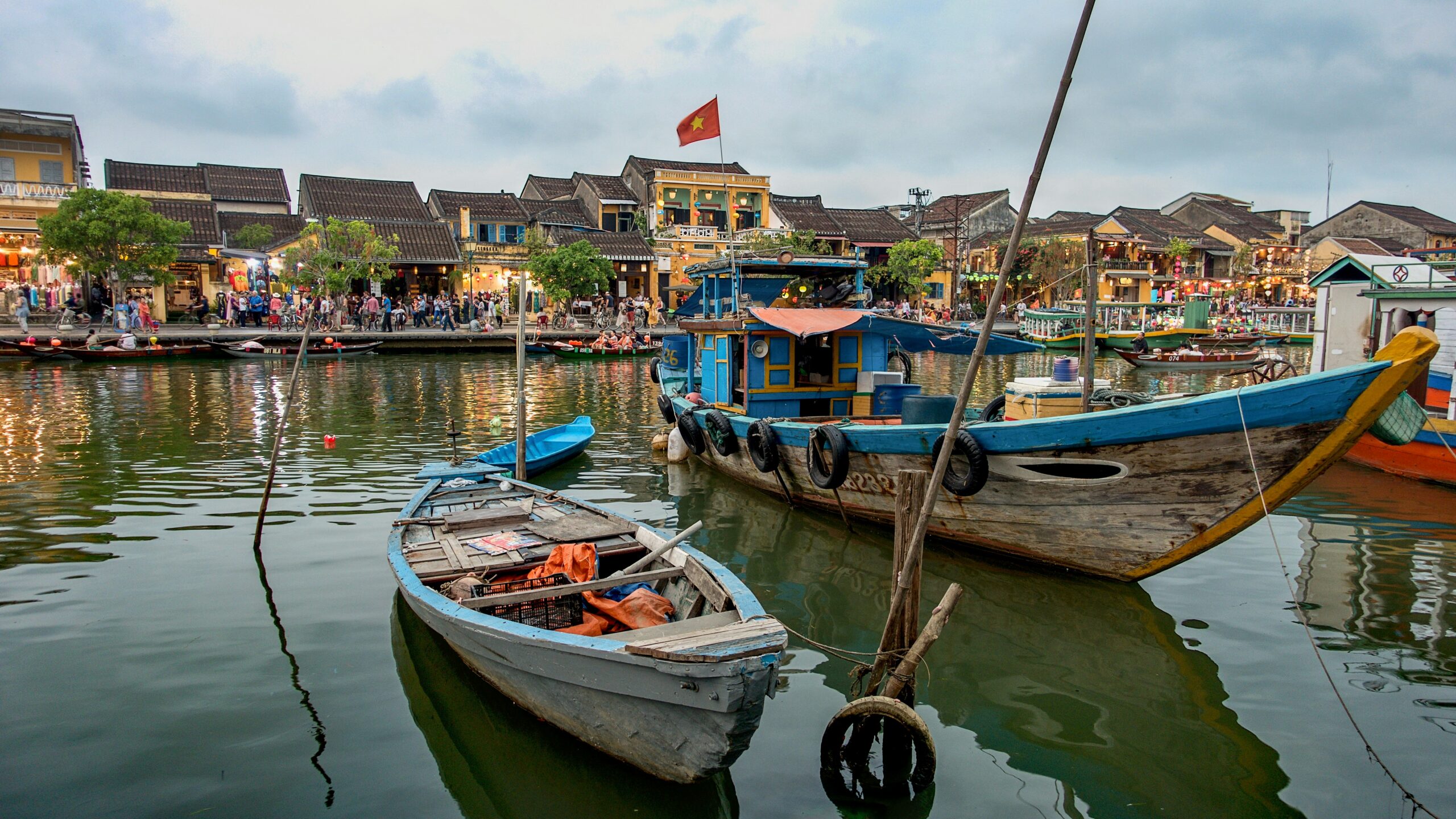

Vietnam is, by some distance, one of the best countries in the world to work from cafés. The coffee is cheap and strong, the wifi is fast, air conditioning is universal, and — crucially — nobody minds how long you stay.
That last point is a cultural norm rather than a tolerated imposition. Cafés here have always been where people sit for hours. You are not exploiting a loophole; you are using the space the way it is meant to be used.
Still, there is a difference between a good café day and a wasted one, and it comes down to a handful of things you can check in ninety seconds.

How to spot a working café
- Look for other laptops. The fastest signal there is. If three people are working, the wifi is fine and nobody will hurry you.
- Find the power. Sockets are the real constraint, not seating. Scan the walls before you choose a table — the good working seats are the ones near an outlet, and they go first.
- Go up. Vietnamese cafés are often several floors. Ground level is street noise and traffic; the upper floors are quiet, cooler, and usually where the regulars work.
- Check the speed immediately. Run a test before you settle in. Vietnamese fibre is genuinely fast, so anything sluggish means a congested router rather than a bad country.
- Listen for the ceiling. Music volume is the most common dealbreaker, and it tends to rise as the day goes on.
The etiquette that actually matters
Very little is expected of you, but a few things separate the welcome regular from the irritant:
- Order something every couple of hours. This is the whole social contract. A second coffee or a water costs almost nothing and buys the seat honestly.
- Take calls outside. The single biggest complaint about foreign remote workers. A café is a shared room, and a two-hour video call in the middle of it is antisocial in any language.
- Use headphones and keep volume sane.
- Do not colonise a six-person table at lunchtime. Read the room during the busy hour and move to a smaller seat.
- Learn a couple of phrases. Ordering in Vietnamese changes the temperature of the interaction immediately.
What it costs
A coffee runs from very little at a street-side spot to a few dollars at a specialty place, and that is your rent for the session. A full working day, two or three drinks and lunch included, comes in well under what a single coworking day pass costs in most Western cities. This is a real part of why Vietnam works financially for remote workers — see our monthly budget breakdown.
When cafés are the wrong answer
Café working breaks down in predictable places, and it is worth recognising them before a deadline does it for you:
- Call-heavy days. If your calendar is four calls deep, you need a door.
- Anything confidential. Public wifi and a screen in a crowded room are a poor combination. Use a VPN and consider a privacy filter.
- Deep work in the afternoon. Cafés get louder as the day progresses almost everywhere.
- Ergonomics over weeks. A café chair and a laptop screen are fine for a day and quietly punishing over a month. An external keyboard and a stand cost little and matter more than people expect — our packing guide covers the kit worth carrying.
The usual pattern that works is a hybrid: cafés for solo focused work and variety, a desk for call days and deadlines. Our city guides to coworking in Hanoi, Da Nang, Ho Chi Minh City and Hoi An cover the alternatives.
The connectivity backstop
Always have mobile data as a fallback. Vietnamese 4G is fast, cheap and widely available, and tethering costs pennies — it turns a café with failing wifi from a lost morning into a minor annoyance. Our SIM and connectivity guide covers what to buy.
And if you would rather not run this calculation every morning, that is largely what NextU’s co-working setup exists to solve — a reliable desk, a room with a door for calls, and people to eat lunch with, without needing to scout a new café every time the music gets loud. The spaces and packages pages cover how it works alongside a stay, and our coffee culture guide explains what to order once you find your spot.