
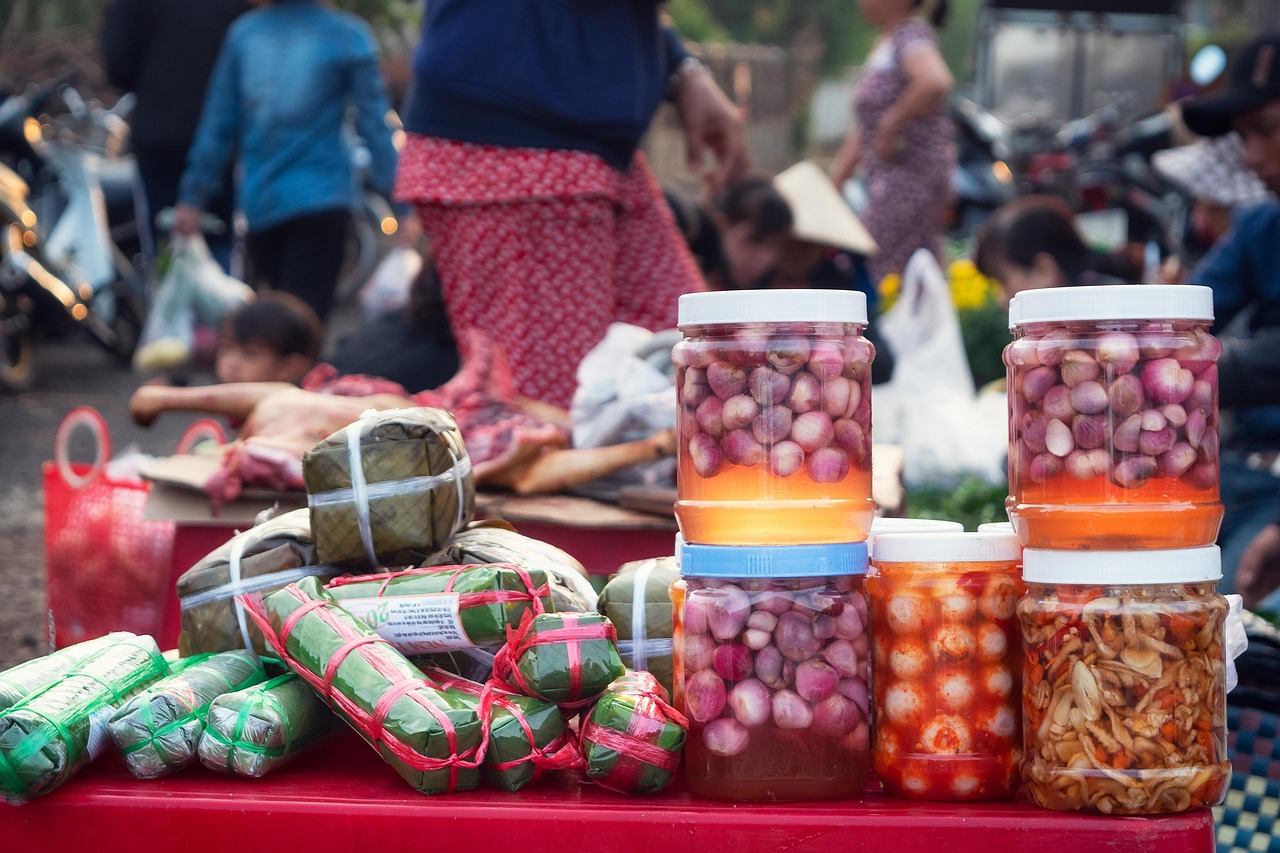
Tet — Tết Nguyên Đán, Vietnamese Lunar New Year — is the single biggest disruption to normal life that a foreigner living in Vietnam will experience, and most nomad guides mention it only in passing: “things close for Tet.” That’s technically true and almost useless as preparation. Here’s what actually happens, and how to plan around it instead of being surprised by it.
What Tet Actually Is
Tet marks the lunar new year and is, functionally, Vietnam’s combined Christmas, New Year’s, and Thanksgiving rolled into one — the single most important holiday of the year, built around family reunion, ancestor veneration, and a genuine reset of the year. The date shifts annually with the lunar calendar, typically falling somewhere between late January and mid-February.
The official public holiday is usually several days, but the practical shutdown runs longer — many businesses close for a week to ten days total, and the run-up (a week or more of travel and preparation) and the aftermath (a slower return to normal pace) extend the real impact well beyond the official dates.
What Actually Shuts Down
Almost everything, for a few days at the core of it. Small businesses, family-run restaurants, local markets, and many services close entirely for the first few days of Tet — this includes a large share of the street food stalls and local eateries that make up daily life for most nomads.
Transport gets fully booked weeks in advance. This is the single biggest planning mistake foreigners make. Tet is when the entire country travels home simultaneously — flights, trains, and buses sell out well ahead of time, and prices spike accordingly. If you plan to travel during Tet, book a month or more ahead; if you don’t, expect your usual routes to be unusually difficult and expensive during the peak days.
Banks, government offices, and many corporate services pause for the official holiday period and sometimes longer — not the moment to need visa paperwork processed or a bank issue resolved.
What Stays Open
Larger supermarkets and convenience store chains (Circle K, VinMart, and similar) typically stay open with reduced hours, as do hotels and most tourist-facing restaurants in nomad-heavy areas. Coworking spaces vary — some close entirely for the core days, others stay open with skeleton staffing, so checking directly with your specific space ahead of time is worth the five minutes it takes.
How to Actually Plan Around It
Stock up before the core days. A few days of groceries and essentials bought a week ahead of Tet avoids the scramble when your usual local shops are shuttered.
Decide early: travel, or stay put. Both are legitimate choices, but they require opposite preparation. Traveling means booking transport and accommodation well in advance of the rush. Staying put means accepting a genuinely quiet period with limited services, best paired with a stocked kitchen and low expectations for productivity from local colleagues or contacts.
If you have Vietnamese friends or colleagues, ask about visiting. Being invited into a Tet celebration — the food, the family visits, the red envelopes (lì xì) given to children and sometimes unmarried younger people — is one of the more meaningful ways to actually experience Vietnamese culture rather than just work around it. It’s not something to angle for, but a genuine invitation is worth accepting if one comes.
Expect a slower return to normal than the calendar suggests. The official holiday ends, but full business-as-usual pace often takes another few days to a week to fully resume — build slack into any work deadlines that fall in the two weeks after Tet.
A Realistic Timeline
Two to three weeks before: Book any travel, stock up on essentials if staying local, confirm which of your regular spots (coworking, gym, favorite restaurants) will be open.
The week before: Streets fill with flower markets and Tet decorations — genuinely one of the most photogenic weeks in Vietnam if you’re around to see it. Expect increasing crowds and traffic as the exodus to hometowns builds.
The core days: Quiet, closed, family-focused. Plan for minimal services and a different rhythm entirely.
The following one to two weeks: A gradual return to normal, with some slack still worth building into expectations of others’ responsiveness.
→ How to Move to Vietnam as a Remote Worker or Creative
→ Expat Community in Vietnam: Where to Find Your People
→ Getting Around Vietnam: Transport Guide for Slow Travelers
Living through your first Tet is easier with a community around you who already know the rhythm. Join the NextU waitlist to find out more.




One Comment