Co-Living for Creatives: What to Look For (and Where to Find It in Vietnam)
Most co-living products are built for the same person: the remote knowledge worker with a laptop, a Slack account, and a preference for fast wifi and clean linens. The market has optimized for this person. The result is co-living as a product category that’s functional, interchangeable, and fundamentally uninteresting.
If you’re a creative — a designer, writer, photographer, filmmaker, musician, visual artist, maker — this is probably not what you’re looking for. You have different requirements. Different rhythms. A different relationship with your work environment.
This guide is for you.
What Creatives Actually Need from a Living Situation
Before looking at what’s available, it helps to be clear about what makes a living situation genuinely support creative work and life, rather than merely tolerating it.
The physical environment
Creatives are more sensitive to their physical environment than most people admit — often because the environment literally shows up in the work. A writer whose room has interesting light and texture produces different work than one whose room is a beige box. A photographer in a city dense with visual information sees differently than one in a generic expat enclave.
What matters:
– Natural light — not negotiable for most visual creative work
– Space to spread out — not just a desk but somewhere to pin references, lay out materials, think in physical space
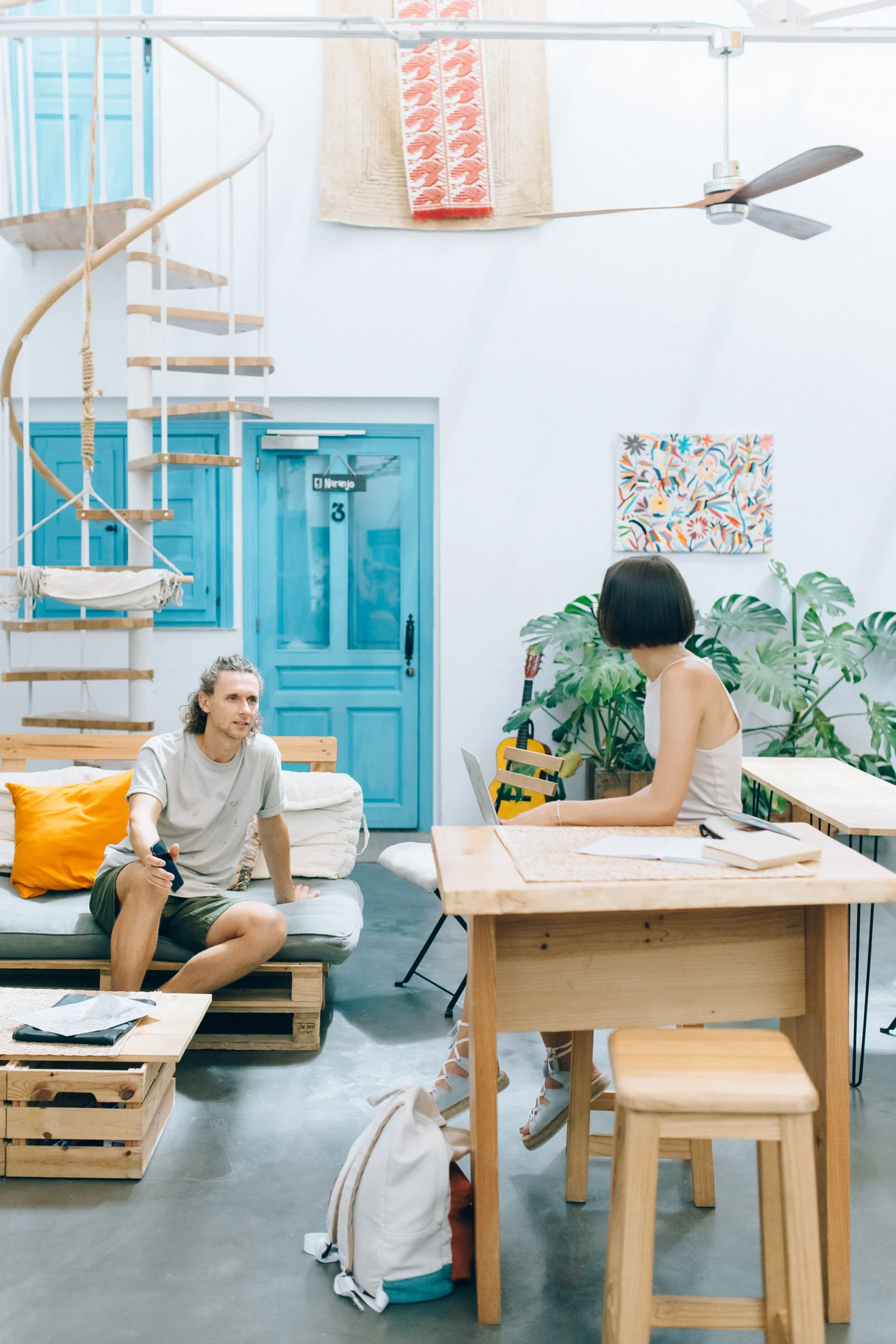
– Aesthetic coherence — the space should feel like something, not like nothing
– Access to nature or interesting public space — the thinking happens in movement, not just at the desk
The community
Creative work benefits from proximity to other creative people in ways that knowledge work doesn’t. Not collaboration necessarily — many creative people do their best work alone — but exposure. Seeing what other people are making. Being around different disciplines. Having dinner conversations that aren’t about productivity.
What to look for:
– Other residents who are actually making things (not just “creatives” in the career title sense)
– Different disciplines represented — the photographer and the musician and the writer in the same building creates cross-pollination that three writers wouldn’t
– Mix of openness and privacy — ability to connect when wanted, retreat when needed
– Programming that creates shared reference points without forcing participation
The location and context
The place the co-living occupies should be worth being in for its own reasons, not just as a backdrop. A co-living in Hoi An means you’re in a UNESCO heritage city with craft traditions, morning markets, and a particular quality of light. A farmstay co-living in the highlands means you wake up in a landscape that asks questions your regular environment doesn’t.
What Most Vietnam Co-Living Gets Wrong for Creatives
Most co-living in Vietnam was built for nomads, not creatives. The difference matters.
The networking-first problem. Co-living spaces that organize themselves around professional networking, startup culture, or “productivity communities” create an environment where the primary social currency is what you’re building, who you’re connecting with, and how your traction is going. This is valuable for founders. It’s often actively unhelpful for creative work, which requires a different kind of validation and a different ambient conversation.
The Instagram-aesthetic problem. Some co-living spaces in Vietnam are designed primarily for photos rather than actual inhabitation. Looks beautiful in a grid, lacks the rough edges and genuine character that actually inspire creative work. Ornamentation without substance.
The transience problem. High-turnover co-living — people checking in and out every week — creates a particular kind of social exhaustion. Meeting everyone at the same depth forever. The connections are wide and shallow. For creative people who need time to sink into a place, this is structurally hostile.
The environment-as-amenity problem. A co-living surrounded by natural beauty that treats this beauty as an amenity (pool view, Instagram backdrop) rather than as the point is missing something. For creative people drawn to nature — as subject matter, as context for contemplative work, as restorative environment — the relationship to the natural setting matters.
What to Look For: A Creative’s Co-Living Checklist
When evaluating any co-living space as a creative, ask:
About the environment:
– What does the space look like in real photos, not professional shots?
– Is there natural light in work areas and bedrooms?
– Is there outdoor space for thinking, walking, sitting?
– What is the surrounding environment like — interesting, or generic?
About the community:
– Who are the typical residents? (Ask for previous or current resident descriptions, not categories)
– What’s the average stay length? (Shorter = more transient community)
– Is there programming, and what kind? (Professional networking vs. creative/cultural activities)
– Can you talk to a previous resident?
About the work setup:
– Is there dedicated creative space beyond just a desk? (Studio space, workshop area, outdoor workspace)
– What’s the wifi upload speed? (Creative work — video upload, high-res transfer, collaborative cloud tools — is upload-intensive)
– Can you make noise? (Musicians, podcasters, video producers need to know)
– Is there space for materials, equipment, physical work?
About the model:
– What’s the minimum stay? (Shorter minimum = more transient population)
– Is there a curation process for residents? (Selective community tends to have more coherent energy)
– What happens when you need to be alone? (Solitude as a real option, not just an accident)
Where to Find Creative Co-Living in Vietnam
The honest landscape: genuinely creative-focused co-living in Vietnam is still emerging. The market has been built primarily for nomads, and the creative segment is underserved. But there are options and directions worth knowing.
Hoi An area: The natural candidate for creative co-living in central Vietnam. The city’s character, the craft traditions, the artist community that has grown here — these make it the most hospitable environment in Vietnam for visual creatives, writers, and makers. Several small co-living and artist-residence operations exist, with quality varying. Ask in the Hoi An expat and creative Facebook groups for current recommendations.
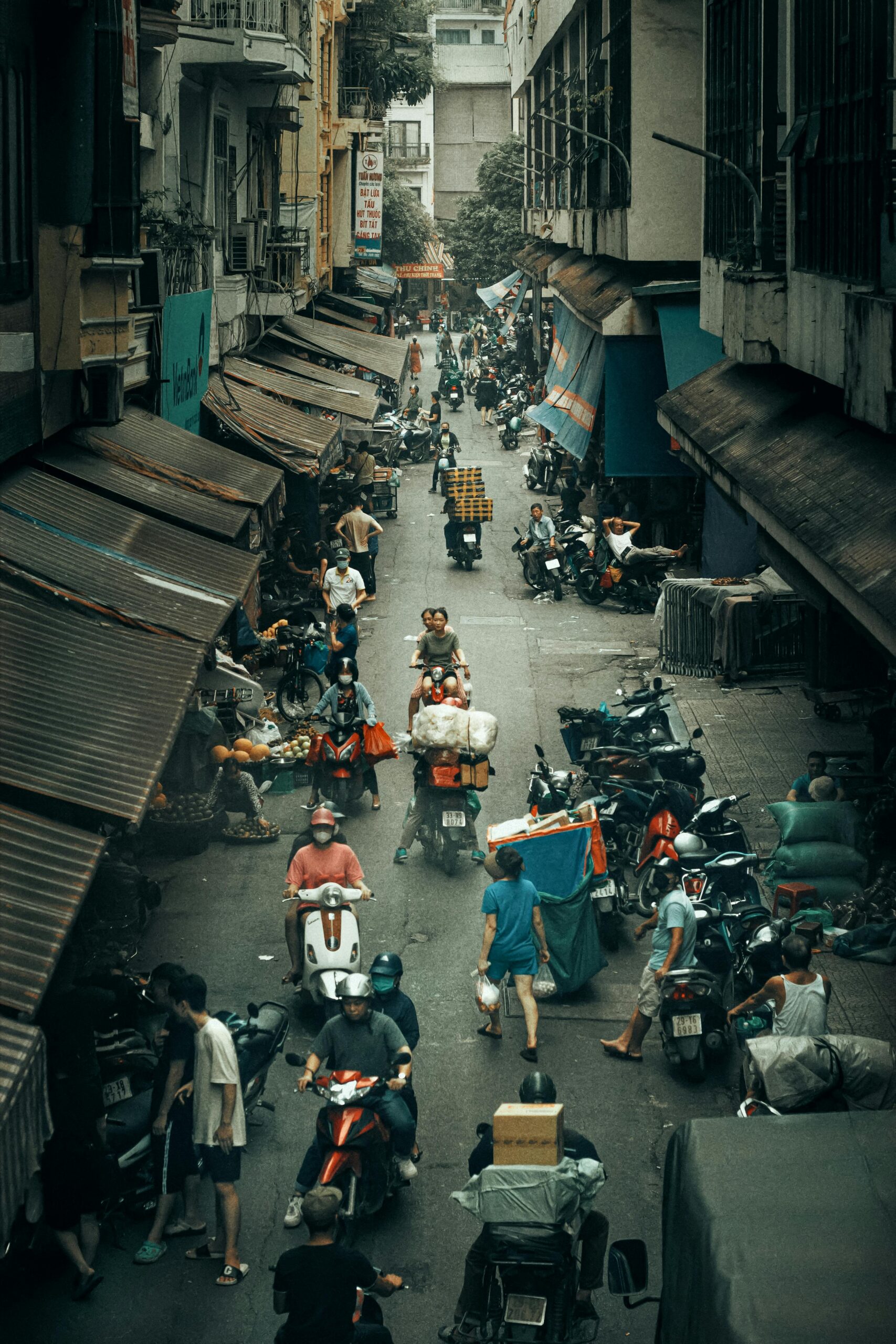
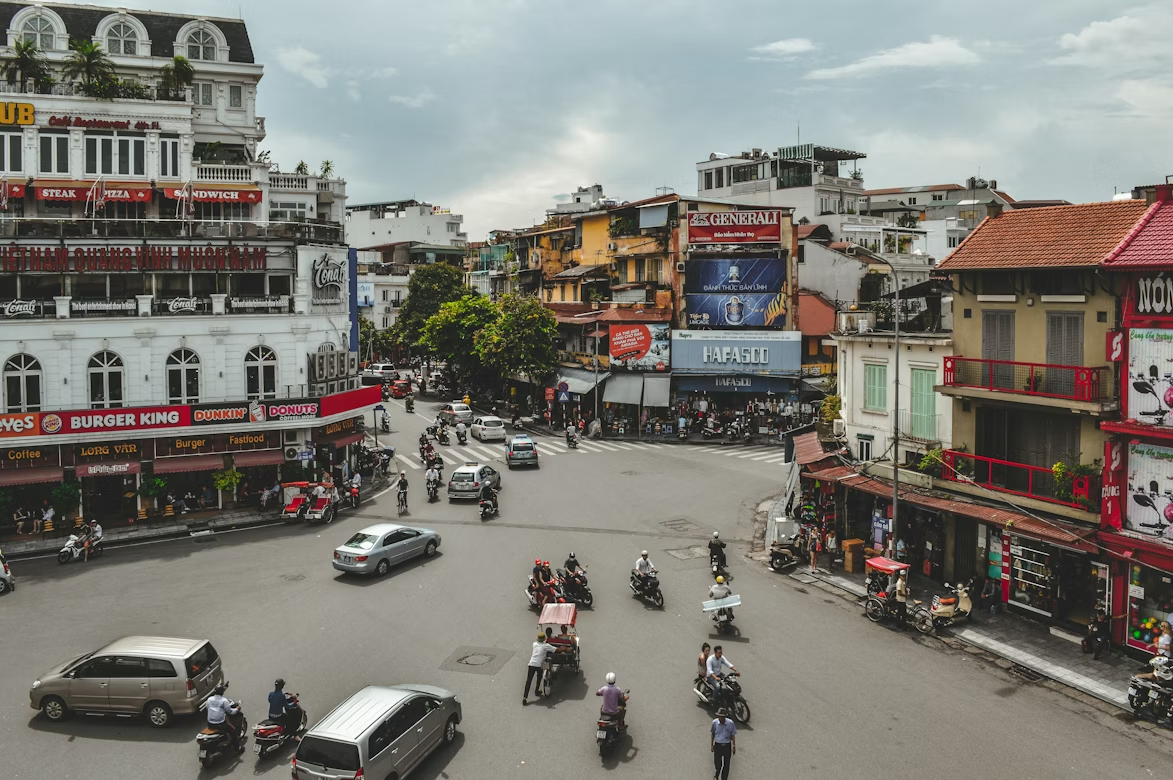
Hanoi creative districts: The Zone 9 / Hanoi Creative City area, and the general Tây Hồ surroundings, have the highest density of working creative people in Vietnam. Co-living in proximity to this community is more valuable than co-living in a beautiful but isolated location.
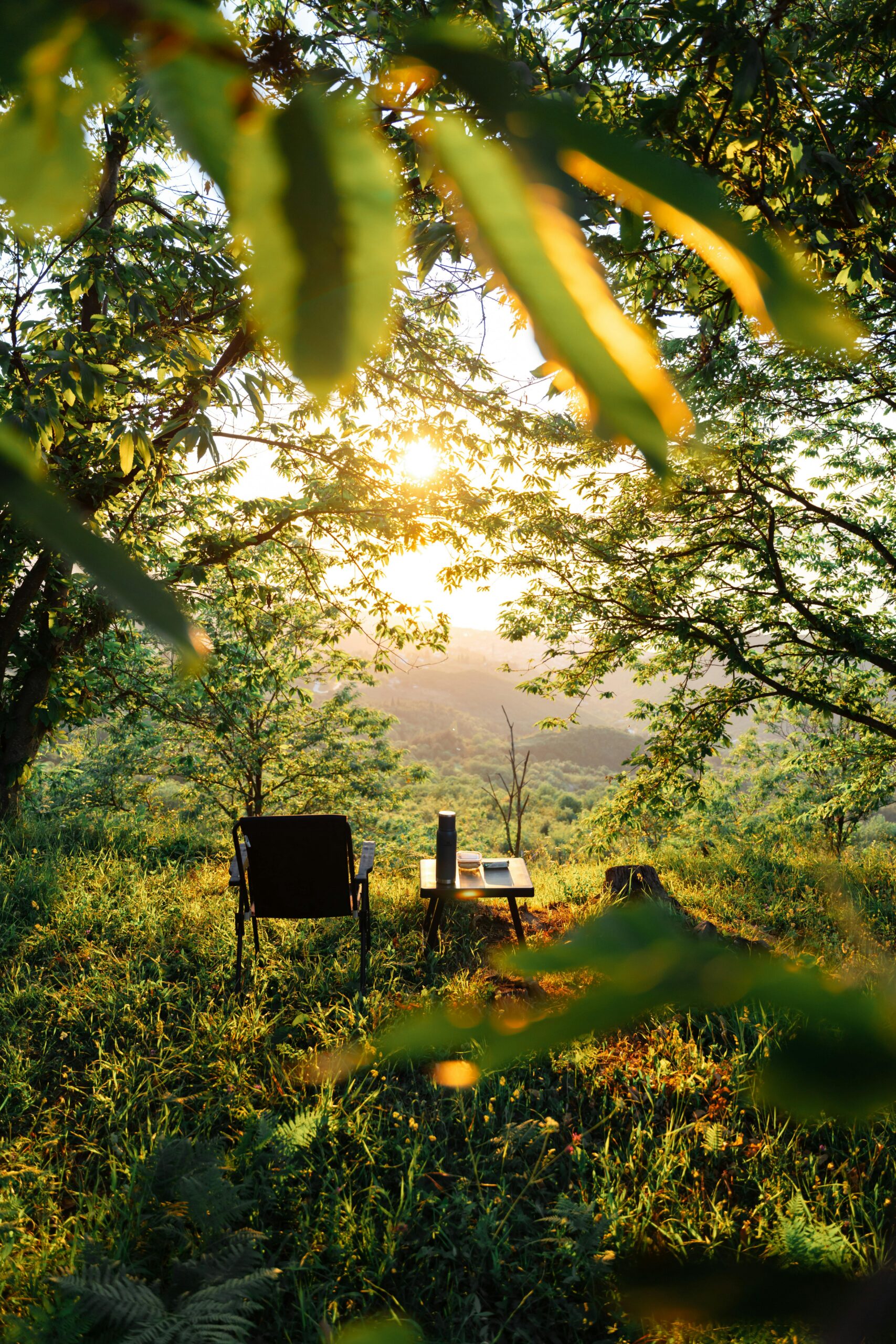
Farmstay environments: For creatives who want nature, solitude, and the particular kind of inspiration that comes from radically different environments — the farmstay format (living on working farms, in forest environments, in highland landscapes) is genuinely underserved and genuinely interesting. This is what NextU is building toward.
NextU: We’re building co-living across Vietnam specifically with the creative community as a primary audience — from An Nhien Farm in Hoi An to creative hubs in Hanoi. The model is farmstay, urban hub, and highland retreat combined in a network, with community programming designed for people who are actively making things. Join the waitlist to hear about locations as they open. Early community members shape what these spaces become.
Making It Work: Practical Advice for Creative Co-Living
If you end up in a co-living space that’s right on most dimensions but not perfect on all of them, a few practices help:
Establish your rhythm before you establish your social life. Spend the first week protecting your creative time fiercely before you start saying yes to communal dinners and coworking sessions. It’s much easier to open up a routine than to recover one after you’ve lost it.
Tell people what you’re working on. Creative isolation — the nomad who never tells anyone what they’re actually making — is both lonelier and less productive than opening up. You don’t need validation; you need witnesses. The community will give you both, if you let it.
Take the place seriously as inspiration. Don’t treat the environment as backdrop. If you’re in Hoi An, learn the craft traditions. If you’re on a farm in the highlands, spend time in the fields. If you’re in Hanoi, go to the galleries. The place is part of the work, if you let it be.
→ What Is Conscious Co-Living?
→ Artist Residencies in Vietnam: A Complete Guide (coming soon)
→ Living in Hanoi as a Creative
NextU is building creative co-living spaces across Vietnam — Hoi An, Hanoi, highlands, and more. Join the waitlist to hear about locations as they open.