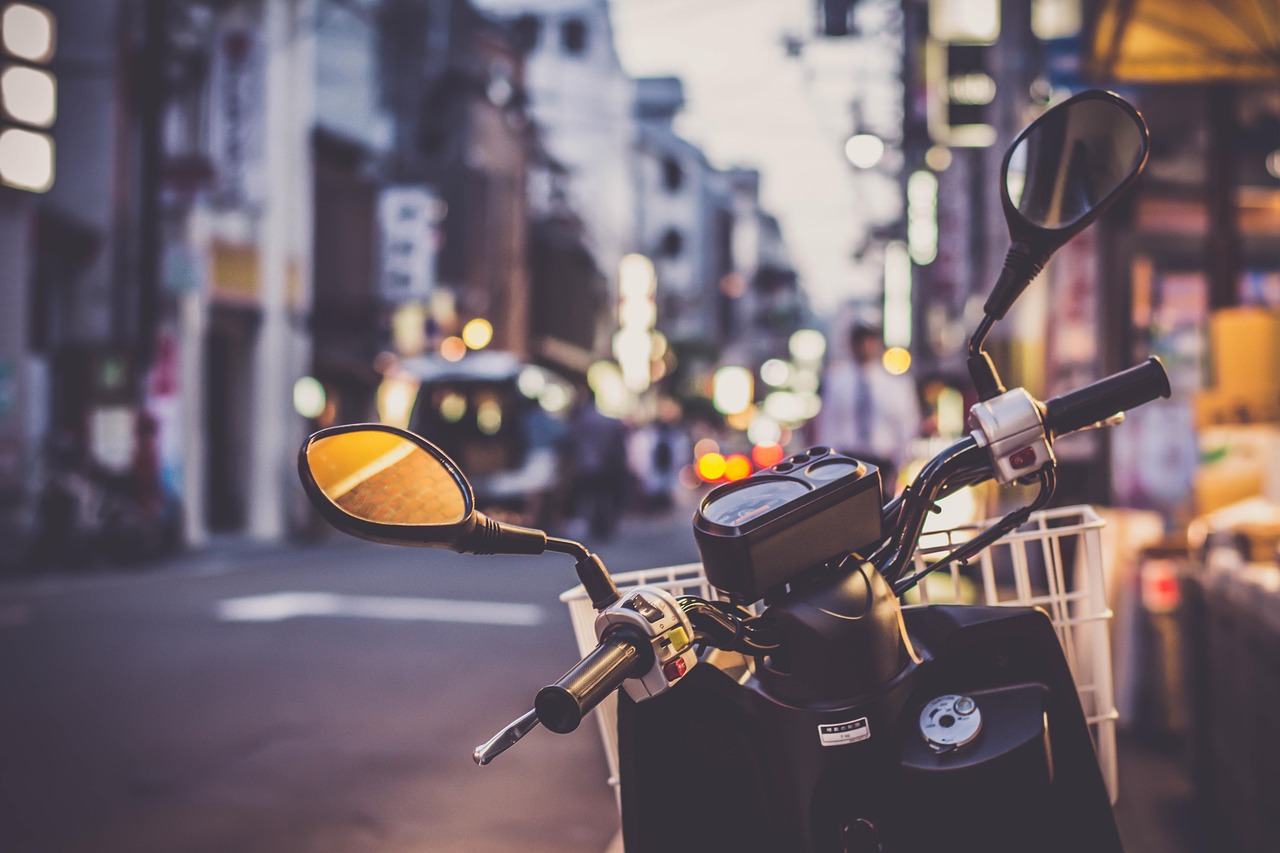
A motorbike changes what living in Vietnam feels like. It turns a forty-minute logistical exercise into a ten-minute ride, and it is the difference between seeing your neighbourhood and seeing the region around it.
Whether to rent or buy comes down to how long you are staying — but the financial answer is the least interesting part of the decision.
The financial line
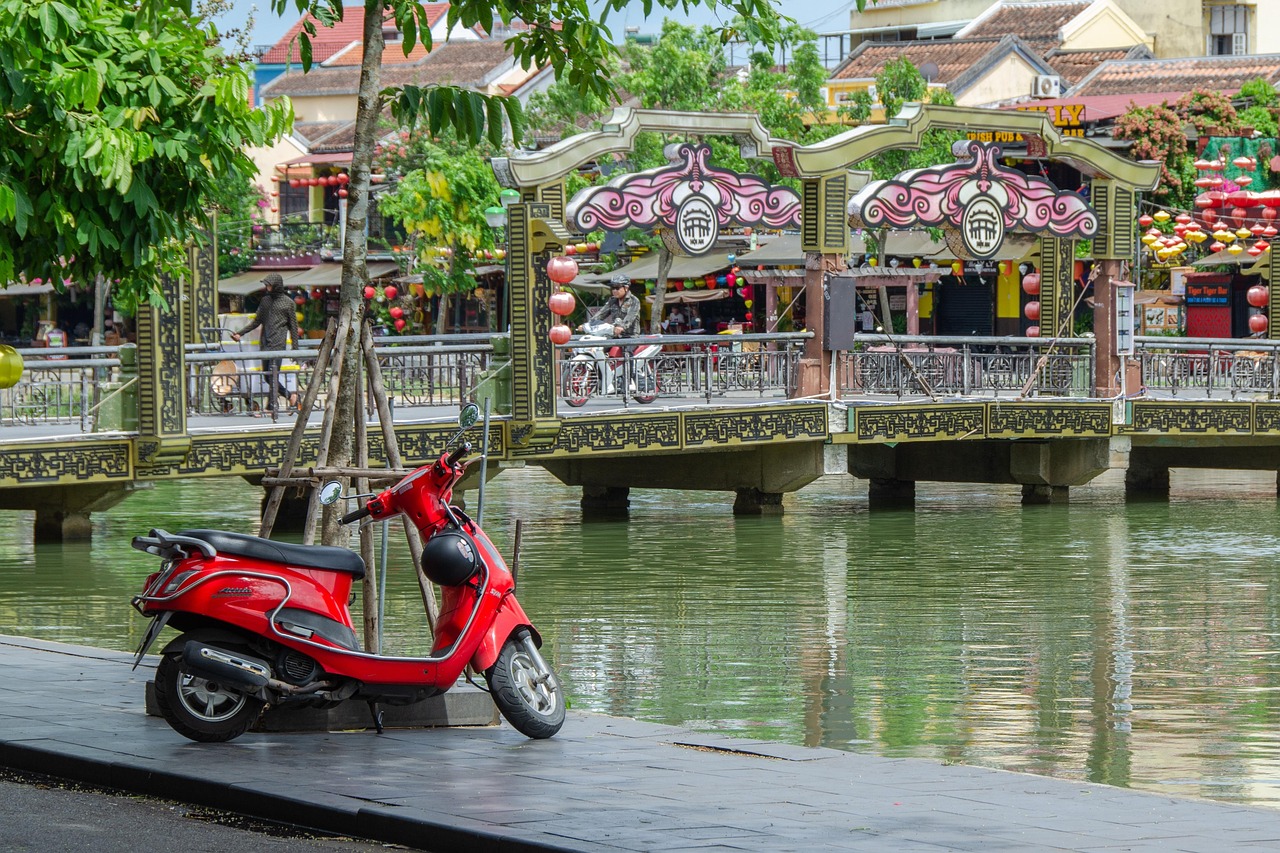
Monthly rentals for an automatic scooter typically run somewhere around 1–2 million VND depending on the city, the bike and the season. A used automatic in reasonable condition usually costs somewhere in the range of 8–15 million, with well-kept Japanese models holding value best.
Run those numbers and the crossover lands somewhere around four to six months — and that is before resale. Because used bikes hold value reasonably well, buyers who sell sensibly at the end often recover a large share of what they paid, which pushes the crossover earlier still.
Treat these as ballpark figures rather than quotes. Prices move, and they move most in tourist-heavy areas.
Why renting still wins for most people
Renting includes the thing that actually costs you: maintenance and problems. When the battery dies or the brakes need doing, that is a phone call rather than an afternoon and a negotiation in a language you may not have. Most rental shops will simply swap the bike.
Renting also avoids the ownership paperwork, avoids the resale scramble at the end of your stay, and lets you leave whenever you want. If you are staying under three months, or if your plans might change, renting is the obvious answer and it is not close.
Why buying wins if you are staying
Past six months, ownership makes sense — you stop paying monthly, you get a bike you actually know, and you can choose something that suits you rather than whatever the shop had. You also get to maintain it properly, which matters if you are riding daily.
Buy through someone reputable, and get a mechanic to look at it before you pay. Check that the blue card — the ownership document — exists and matches the bike. Bikes without proper papers are cheaper for a reason, and the saving is not worth it.
The licence question, honestly
This is where people talk themselves into trouble.
Legally, riding in Vietnam requires an appropriate licence. An International Driving Permit alone is generally not sufficient unless it is recognised and matched to the right category, and many foreign licences need to be converted to a Vietnamese one to be valid here. Small-displacement bikes and larger ones are treated differently, and the rules have changed more than once.
The part that matters practically: if you are riding without a valid licence, your travel insurance will very likely refuse a claim after an accident. Not a fine — a medical bill. That is the real cost, and it is the reason to sort the paperwork rather than assume it is a formality nobody checks.
Rules vary by nationality and change over time, so verify your own position with a current official source or a licensing service rather than with a Facebook comment. Converting a licence is a routine process in the major cities and worth the afternoon it takes. Our healthcare guide covers the insurance side.
Safety, which is the actual point
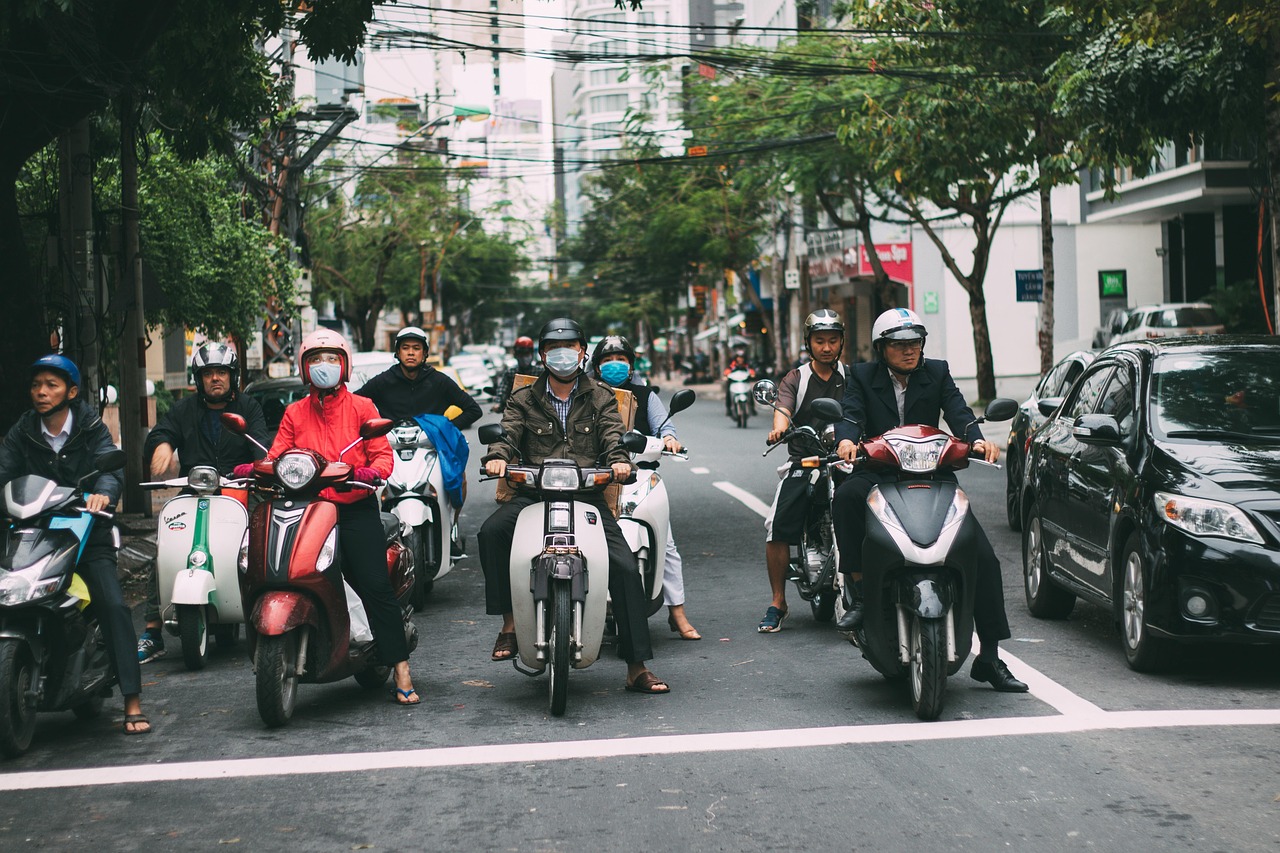
Road traffic injuries are the most common serious accident affecting foreigners in Vietnam, and the causes are boringly consistent: no helmet or a useless one, riding at night on unlit roads, riding after drinking, and riding a bike bigger than your experience.
Practical version: buy a proper helmet rather than using the token one that comes with the rental — it is the single highest-return purchase of your trip. Wear real shoes. Assume you are invisible. Learn the flow before you join it; traffic here works on continuous negotiation rather than right of way, and it is more predictable than it first looks. If you have never ridden, take a lesson somewhere quiet before your first city rush hour.
If you would rather not ride at all
You do not have to. Grab and similar apps are cheap and everywhere, and in the denser neighbourhoods you can live comfortably without ever getting on a bike yourself. It costs more per trip and less per year than most people assume. Our transport guide covers the alternatives, including trains and buses between cities.
This is also worth factoring into where you live. A neighbourhood that is fine with a bike can be isolating without one — something we cover in the guides to Da Nang and Ho Chi Minh City.
If you are staying at one of NextU’s spaces, rental is usually arranged locally and the house will point you at a shop that has been used before, which removes most of the guesswork. The experiences side also runs rides and trips where someone who knows the roads is leading — a considerably better introduction than your first solo attempt at a mountain pass.