
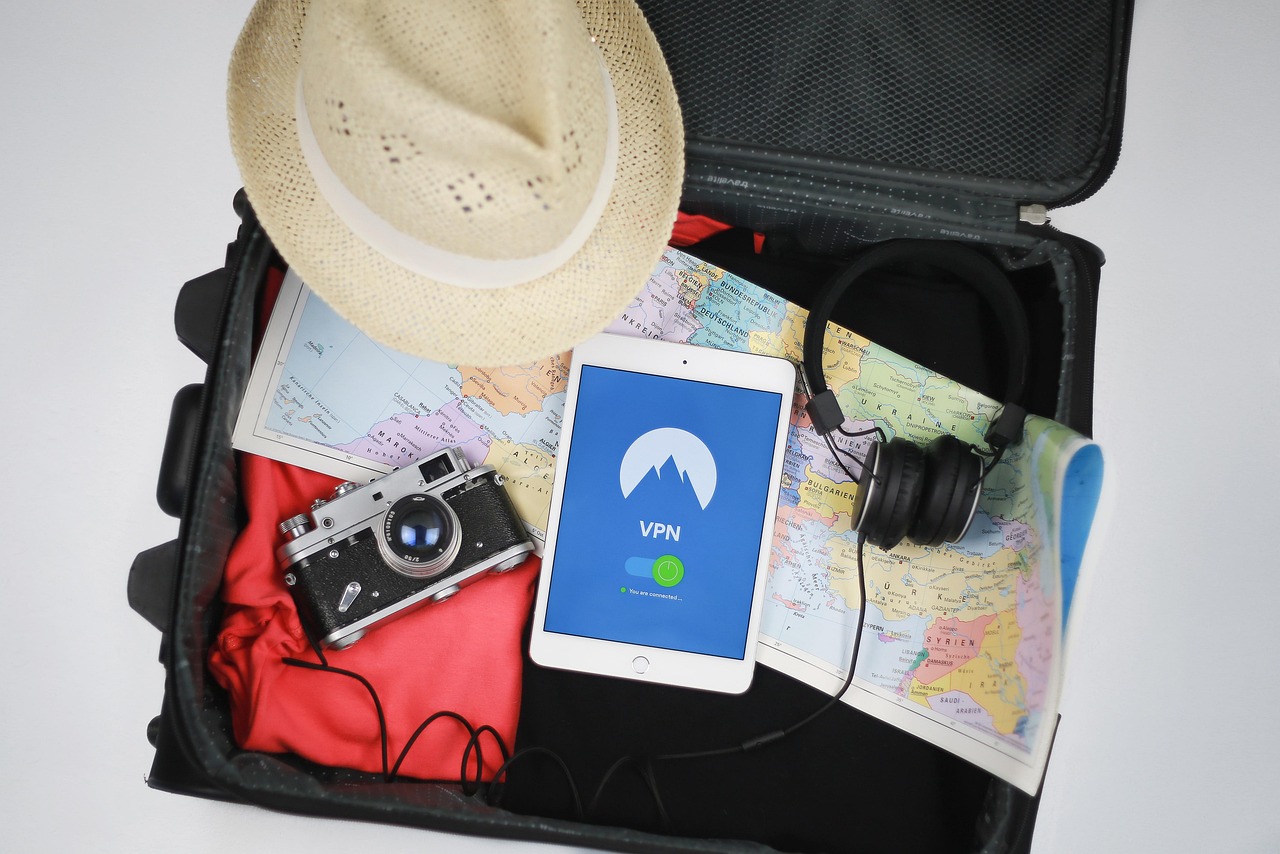
Most packing lists for Vietnam are written for a two-week vacation: sandals, a swimsuit, sunscreen, done. That list falls apart fast for someone actually moving here for months — different problems show up (what’s genuinely hard to buy locally versus what’s better bought on arrival, what climate variation across regions actually demands, what long-term daily use wears out that a vacation never tests). This is a packing list built for that longer version.
The Core Principle
Vietnam has functioning shops, pharmacies, and increasingly good online delivery — you are not moving somewhere you can’t buy things. The real packing question isn’t “what do I need” so much as “what’s genuinely hard to replace here, versus what’s cheaper or just as easy to buy after you land.” Overpacking the wrong things is the most common mistake; underpacking the few things that are genuinely hard to source locally is the second.
Bring From Home
Documents and money
- Passport with at least six months’ validity, plus a digital and physical photocopy stored separately from the original
- Passport photos (several — visa extensions, SIM registration, and various local paperwork ask for them more often than you’d expect)
- A debit or credit card with no foreign transaction fees, plus a backup card kept separately from your primary wallet
- Proof of onward travel or accommodation, if your visa type requires it
Electronics
- An unlocked phone (essential — you’ll want a local SIM immediately)
- A universal travel adapter (Vietnam uses a mix of socket types; a universal adapter avoids guessing)
- A laptop stand or portable riser if you’ll be doing serious desk work — posture matters over months in a way it doesn’t over two weeks
- A good pair of noise-canceling or noise-isolating headphones — genuinely useful in a country where street noise is a constant background feature
- Spare cables and a portable battery pack, since replacing specific device cables locally can mean a special trip to the right district
Health and medication
- Any prescription medication for the full length of your stay, in original packaging, plus a copy of the prescription — pharmacy availability varies by drug and city
- A basic first-aid kit: rehydration salts, anti-diarrheal medication, any allergy medication you rely on
- Sunscreen if you have a specific brand or formulation you trust — local options exist but selection is more limited than in most Western countries
Clothing specifics
- Larger sizes and specific fits (especially shoes) if you’re above roughly a US men’s size 10 or a larger women’s clothing size — Vietnamese retail sizing skews smaller and larger sizes can be genuinely hard to find
- A proper rain jacket rather than a cheap poncho, if you’re arriving during monsoon season anywhere in the country
- One warm layer if any part of your route includes Hanoi in winter, Sapa, Ha Giang, or Da Lat — most nomad packing lists skip this entirely and then get caught out
Buy After You Arrive
- A local SIM card — cheaper, easier, and more variety than any pre-arranged eSIM plan, available at the airport or any phone shop
- A scooter helmet — required by law, cheap and widely available, not worth the luggage space
- Everyday toiletries — shampoo, soap, sunscreen for daily use, all widely available and often cheaper than home
- Basic homeware if you’re setting up a longer-term rental — hangers, basic kitchen items, bedding; markets and homeware stores in every nomad city handle this cheaply
- Light, breathable clothing generally — better to buy a few things locally once you know the specific climate of your city than to overpack guesses from home
Don’t Bother
A full pharmacy’s worth of toiletries and medication — most of what you’d bring “just in case” is available in any city with a real expat population.
Heavy hiking or outdoor gear, unless a specific multi-day trek (Sapa, Ha Giang) is already on your itinerary — better rented or bought locally for that specific trip than carried the whole time.
A full year of clothing. Vietnam’s climate and the ease of cheap, fast tailoring and local shopping mean a smaller, seasonally appropriate wardrobe serves better than an exhaustive one.
A Simple Checklist
Passport + copies · unlocked phone · universal adapter · cards (primary + backup) · full medication supply + prescriptions · basic first-aid kit · one warm layer · a proper rain jacket · larger sizes/shoes if applicable · a portable battery pack.
Everything else can wait until you’ve actually seen what your specific city and accommodation demand — which is usually less than the anxious pre-departure packing list assumes.
→ How to Move to Vietnam as a Remote Worker or Creative
→ Vietnam SIM Cards, Internet, and Staying Connected
→ Healthcare in Vietnam: What Digital Nomads and Long-Term Travelers Need to Know
Arriving into a co-living community means half of the “buy after you arrive” list is already sorted for you. Join the NextU waitlist to find out more.