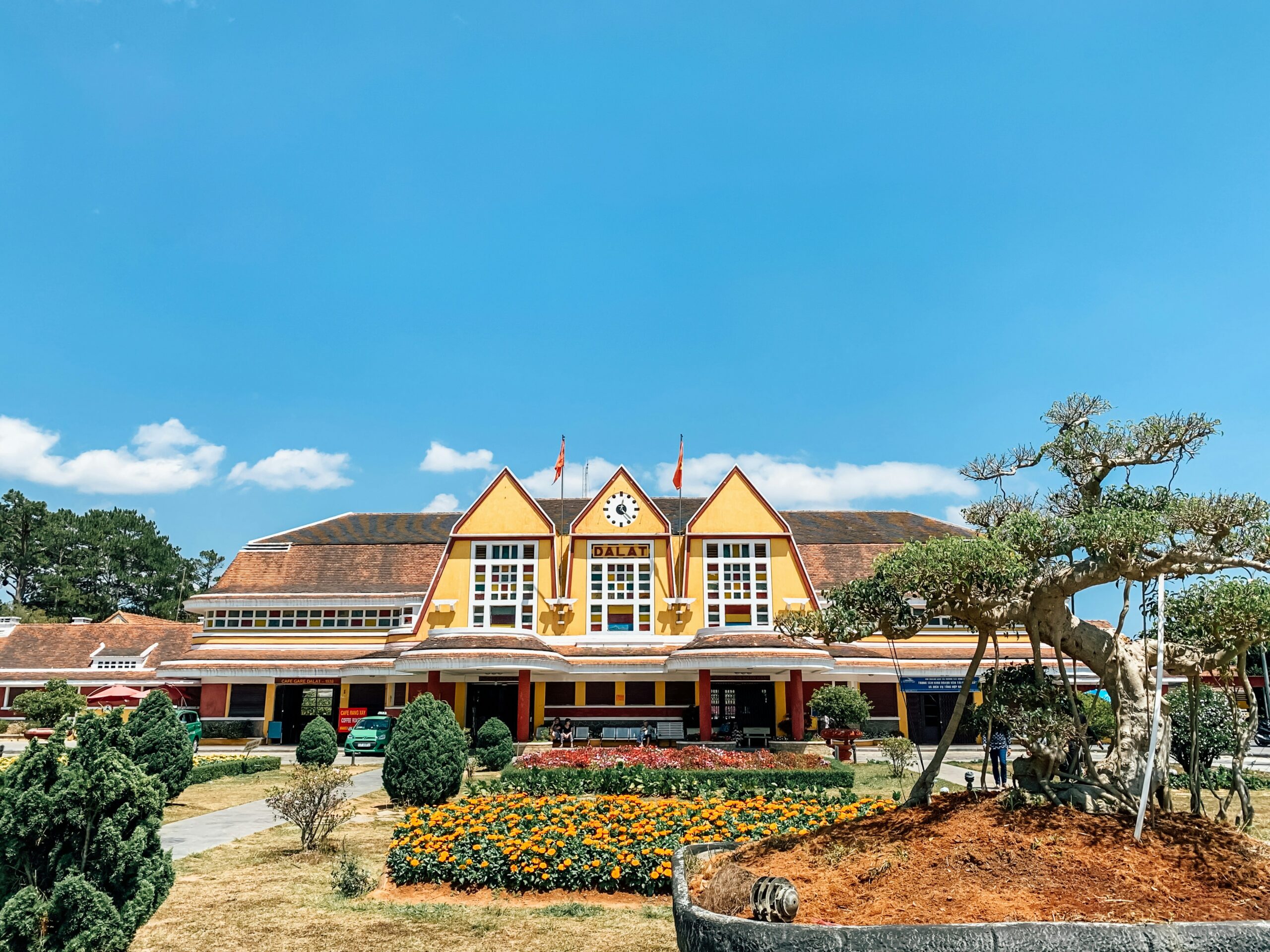
Ask a nomad who’s spent a year hopping between Da Nang, Hoi An, and Ho Chi Minh City where they’d go for a change of pace, and there’s a decent chance they say Da Lat before anywhere outside Vietnam. It’s the country’s quiet exception — a hill town at 1,500 meters where the air is cool enough for a jacket in the evening, the landscape is pine forest and flower farms instead of palm trees and beaches, and the pace of life runs noticeably slower than the coast.
It doesn’t get written about as often as Da Nang or Hoi An, partly because it doesn’t fit the “beach and wifi” nomad narrative. Da Lat is a different pitch entirely: altitude, quiet, coffee culture, and a genuinely active community of Vietnamese and international artists, designers, and makers who’ve chosen it deliberately. This is an introduction to what that actually looks like.
Why Da Lat Is Different
Vietnam’s coastal cities share a climate — hot, humid, tropical, with a wet season and a dry season but rarely anything you’d call cold. Da Lat breaks that pattern entirely. Sitting on the Lâm Viên Plateau in the Central Highlands, it has a genuine four-season-adjacent climate: cool mornings, mild days, and evenings that regularly drop into jacket-weather territory, especially between November and February.
That climate shapes everything else about the place. Da Lat grows Vietnam’s flowers, strawberries, and a meaningful share of its specialty coffee — the surrounding hillsides are terraced with farms rather than paved over. The French built hill-station villas here a century ago for the same reason people visit now: it’s a genuine break from the heat, close enough to reach easily, different enough to feel like it.
The Creative Community
Da Lat has quietly become one of Vietnam’s centers for independent creative work — photographers, ceramicists, coffee roasters, and small design studios drawn by cheaper space, better light, and a slower rhythm than Saigon or Hanoi can offer. The town has a real gallery and studio scene, much of it clustered around the older French Quarter and the streets near Xuân Hương Lake.
This isn’t a nomad bubble in the way Canggu or Chiang Mai can feel — Da Lat’s creative scene is majority Vietnamese, with a smaller, more integrated international presence. That makes it a genuinely different kind of experience: less coworking-space networking, more actually being embedded in a local creative economy.
Where to Work in Da Lat
Da Lat’s coworking scene is smaller and less formal than the coastal cities — this is a town of cafés more than dedicated coworking spaces, and that’s part of its character.
An Café
A long-running Da Lat institution built around a working artist’s home and garden — part café, part gallery, entirely unlike a standard coworking space. Slow, atmospheric, better for a few focused hours than an all-day session.
The Married Beans
A specialty coffee roaster with a clean, minimal space that’s become a default work spot for the town’s smaller remote-work crowd. Reliable wifi, good coffee, quieter than the tourist-facing cafés near the lake.
MyST Dalat
One of the closest things Da Lat has to a dedicated coworking space — flexible desks, meeting rooms, and a base for the town’s small but growing startup and remote-work community.
Practical Notes
Pack for cool weather. This is the one place in Vietnam where “I didn’t bring a jacket” is a real problem, especially December through February when evening temperatures can drop into the low teens Celsius.
It’s a small town, and that’s the point. Da Lat doesn’t have Da Nang’s scale of infrastructure or Saigon’s density of options. What it offers instead is walkability, quiet, and a much lower cost of living than the coast — a deliberate trade, not a compromise.
Getting there takes intention. Da Lat is reachable by short flight from Hanoi, Da Nang, or Ho Chi Minh City, or by an overnight or day bus from Saigon. It’s not a spontaneous weekend add-on in the way Hoi An is from Da Nang — budget a real trip for it.
Best for slower stays. Da Lat rewards people staying two weeks or more far more than short visits. The town’s rhythm — market mornings, café afternoons, cool evenings — takes a few days to click into.
→ Slow Living in Vietnam: Why More People Are Choosing to Stay Longer
→ Living in Hanoi as a Creative: Community, Culture, and What’s Possible
→ The Case for Staying 30 Days Instead of 3
NextU’s flagship co-living community is in Hanoi’s Tây Hồ. If a slower, cooler corner of Vietnam is part of your route too, join the waitlist to hear where we go next.