
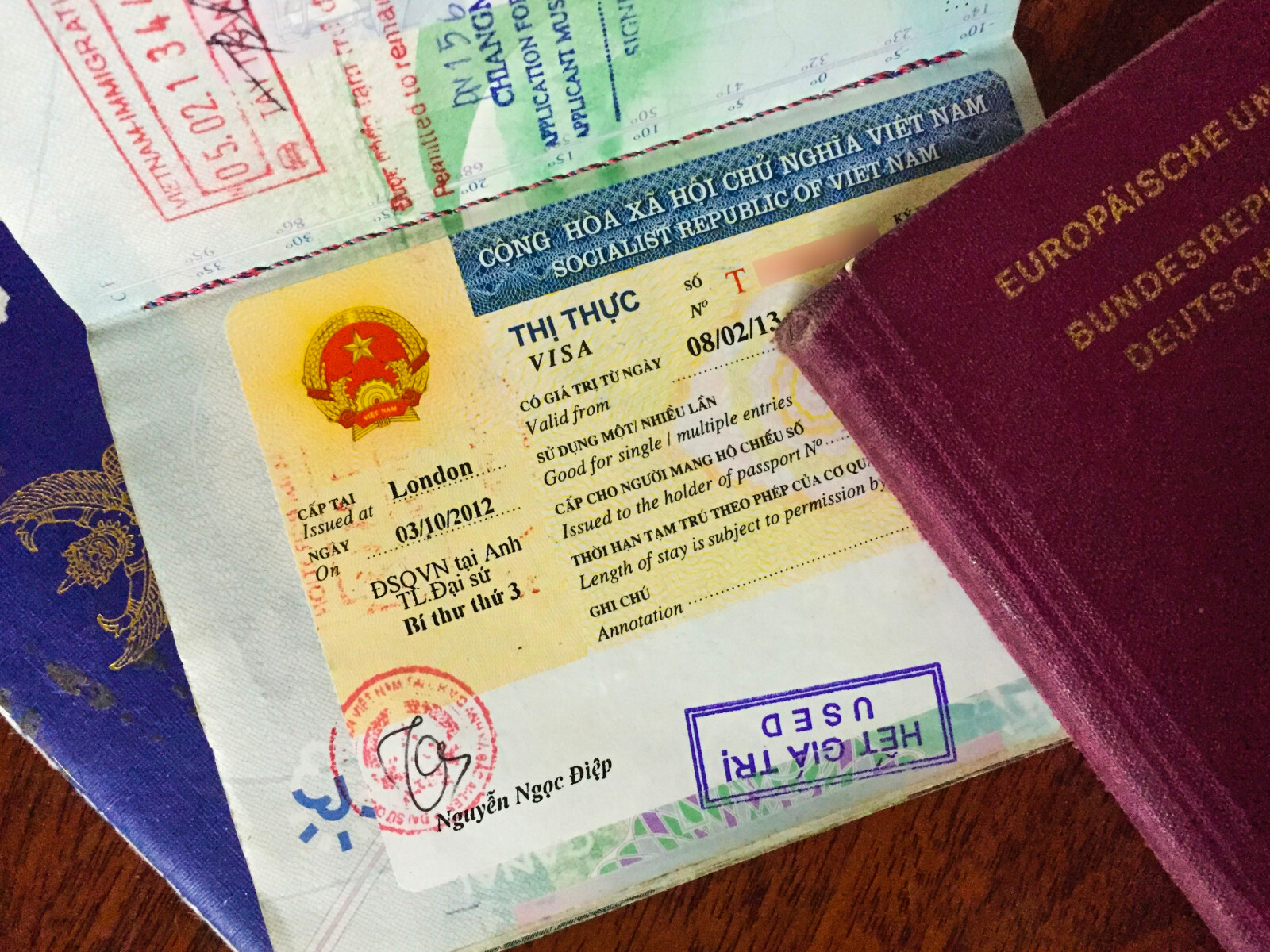
Vietnam doesn’t have a digital nomad visa. That’s the honest starting point for this guide.
There’s no official path that says: “remote worker, here’s your 12-month permission to work and live here.” What Vietnam does have is a set of visa options that — used correctly and in combination — allow most people to live and work here legally for extended periods. Tens of thousands of digital nomads navigate this every year.
This guide breaks down every realistic visa option available in 2026, what each one actually costs, how long it buys you, and what to watch for when planning longer stays.
The Main Visa Options at a Glance
| Visa Type | Duration | Cost | Best For |
|---|---|---|---|
| E-Visa (single entry) | 90 days | $25 USD | First visit, short stays |
| E-Visa (multiple entry) | 90 days | $25 USD | Regular returnees |
| Visa on Arrival | 30–90 days | $25–50 USD (+ letter fee) | Flexibility, some nationalities |
| Visa Exemption | 14–45 days | Free | Citizens of specific countries |
| Business Visa (DN) | Up to 12 months | $100–300 USD | Longer stays, more complex to get |
| Temporary Residence Card | 1–2 years | Significant cost + sponsor needed | Long-term residents with legal ties |
Vietnam E-Visa (The Standard Starting Point)
The Vietnam e-visa is the simplest option for most nationalities. Since 2023, Vietnam upgraded the e-visa from a 30-day single-entry to a 90-day, multiple-entry option — a significant improvement that makes Vietnam much more practical for longer nomadic stays.
Who qualifies
Citizens of over 80 countries are eligible for the e-visa, including the US, UK, EU countries, Australia, Canada, and most Western nations. The official eligibility list is at the Vietnam Immigration Department website — check there rather than third-party sources which can be outdated.
How to apply
Apply through the official Vietnam Immigration Department portal (immigration.gov.vn). The process is entirely online:
- Fill out the application form
- Upload a passport photo and passport scan
- Pay the $25 USD processing fee (credit card or e-payment)
- Wait 3–5 business days for approval
The e-visa arrives as a PDF. Print it or save it on your phone — you’ll need to show it at immigration alongside your passport.
Important: Only apply through the official government portal. Third-party “e-visa services” that charge $50–100 are just processing the same form with a markup. There is no legitimate reason to pay more.
What you get
- 90 days on a single entry
- Multiple entry option (same $25 fee)
- Valid for entry at all international airports and land border crossings
Limitations
- No in-country extension. Once your 90 days are up, you need to leave Vietnam. You can re-enter on a new e-visa, but there’s no mechanism to extend while you’re in the country.
- Not a work visa. You’re entering as a tourist. Remote work is technically a gray area — you’re working for a foreign company and not taking a job from a Vietnamese national, which is how most long-term nomads understand it. But Vietnam has no official digital nomad framework.
Visa Exemption (Free Entry for Some Nationalities)
Some nationalities can enter Vietnam without any visa for a limited number of days. This is free and requires no advance application.
Countries with 45-day visa-free access (as of 2026):
Germany, France, Italy, Spain, UK (non-EU), and several others — Vietnam has been expanding this list. Check the current official list before assuming your passport qualifies.
Countries with 30-day visa-free access:
Japan, South Korea, Singapore, several Nordic countries, and others.
Countries with shorter exemptions:
ASEAN member nations typically have their own bilateral agreements.
For nomads, the calculus: If your nationality qualifies for 45-day exemption and you’re just testing Vietnam for the first time, skip the e-visa and enter on the exemption. If you plan to stay longer or return regularly, the e-visa’s 90-day window is more practical.
Visa on Arrival (VoA)
Visa on Arrival is an older system that still works but has largely been superseded by the e-visa for most nationalities. The process requires getting a pre-approval letter from a Vietnam visa agency (typically $10–20 USD) before you travel, then paying a stamping fee ($25–50 USD) at the airport on arrival.
When VoA still makes sense:
– You’re arriving through a land border where e-visas are sometimes inconsistently processed
– Your nationality isn’t eligible for the e-visa
– You’re booking last-minute and the e-visa processing time doesn’t work
When to skip VoA: For most people flying into major airports (Hanoi, Da Nang, Ho Chi Minh City), the e-visa is cheaper, simpler, and more reliable.
Longer Stays: Business Visas and Beyond
If you want to stay in Vietnam for more than 90 days without leaving, you’ll need to look at business visa options. This is where it gets more complex.
Business Visa (DN Visa)
The business visa (DN class) can be issued for 3, 6, or 12 months with multiple-entry options. Getting one requires a Vietnamese company to sponsor your visa — either a company you’re consulting for, a business you’ve registered in Vietnam, or a co-working space / legal service provider that offers visa sponsorship as a service.
The sponsorship path:
Many co-working spaces, serviced apartments, and business centers in Da Nang, Hanoi, and Ho Chi Minh City offer DN visa sponsorship as a paid service. Typical cost: $150–300 USD for a 6–12 month multiple-entry business visa, plus the government fee.
Important caveats:
– The sponsoring company doesn’t need to be your employer — it’s a visa formality
– This is legal and widely used but not officially sanctioned as a “digital nomad” path
– Requirements and processing vary — use a reputable local visa agent or legal service
Temporary Residence Card (TRC)
For people establishing more permanent roots — buying property, running a registered business, or working for a Vietnamese company — the Temporary Residence Card provides 1–2 years of legal residence. This isn’t realistic for most nomads but worth knowing if you’re planning a genuine long-term base in Vietnam.
The Visa Run Reality
“Visa run” is the nomad term for leaving Vietnam briefly to reset a visa — flying to Bangkok, Kuala Lumpur, Bali, or crossing a land border into Cambodia or Laos, then re-entering on a fresh visa.
Is it legal? Technically, each entry is a separate legal entry. Vietnam doesn’t have an official policy banning “visa runs” — you’re not violating any rule by re-entering after a border exit.
Is it sustainable? It depends on your frequency and the border crossing. Some nomads have done monthly or bi-monthly border hops for years. Others have had inconsistent experiences, particularly at land border crossings. Flying in and out via major airports is generally smoother.
Practical options for visa runs from Vietnam:
| Destination | From Da Nang | From Hanoi | From HCMC | Cost Approx. |
|---|---|---|---|---|
| Bangkok | 2h flight | 2h flight | 1.5h flight | $60–120 return |
| Kuala Lumpur | 2.5h flight | 3h flight | 2h flight | $50–100 return |
| Bali | 3h flight | 4h flight | 2.5h flight | $80–150 return |
| Cambodia (land) | 12–15h bus | — | 6h bus | $10–20 |
| Laos (land) | — | 12–15h bus | — | $10–20 |
60-day mark awareness: Some immigration officers become aware of patterns of frequent re-entry and may ask questions about your plans. Having a plausible story (tourism, visiting, exploring the region) and evidence of travel in other countries can help.
DTA Countries: Does Your Country Have a Tax Treaty?
Vietnam has Double Taxation Agreements (DTAs) with a growing list of countries. For most digital nomads working for foreign clients or employers, this is less relevant than the visa question — but if you’re earning income in Vietnam or consulting for Vietnamese clients, it’s worth understanding your tax exposure. Consult a local accountant or tax advisor if you’re planning to stay more than 183 days in a calendar year.
The Honest Assessment for Long-Term Nomads
Vietnam doesn’t make it easy to stay indefinitely, but it doesn’t make it impossible either. Here’s the realistic picture:
For stays up to 90 days: The e-visa is excellent. Apply online, it’s cheap, and 90 days is more than enough for a proper stay in one or several cities.
For 3–6 months: The e-visa + one visa run (or two) is the most common approach. Some people do back-to-back 90-day e-visas with a brief exit. Others obtain a business visa through a local sponsor for the second period.
For 6–12 months or longer: A business visa or TRC is the practical choice. Expect to invest $200–400 in a visa agent and follow the process — it’s bureaucratic but workable.
The gray zone: Most nomads working remotely for foreign companies sit in a legal gray area — technically entering as tourists but working. Vietnam’s government has not moved to crack down on this as of 2026. The situation can change; stay updated.
Staying Updated
Vietnam’s visa policies have changed significantly in recent years (the e-visa upgrade from 30 to 90 days in 2023 was a major shift) and more changes are possible. A few sources worth bookmarking:
- Official source: Vietnam Immigration Department (immigration.gov.vn)
- Community intelligence: Facebook groups like “Expats in Da Nang” or “Digital Nomads Vietnam” for current on-the-ground reports
- This guide: We review and update it every 6 months. If information looks outdated, check the publication date at the top.
Quick Reference: Recommended Path by Stay Length
| How long you’re planning to stay | Recommended approach |
|---|---|
| Up to 90 days (first visit) | E-visa (single or multiple entry) |
| 3–6 months | E-visa + one border exit and re-entry |
| 6–12 months | Business visa via local sponsor ($150–300 USD) |
| 12+ months | TRC or ongoing business visa renewals |
This guide was last updated April 2026. Visa regulations change — always verify with the official Vietnam Immigration Department or a qualified local visa agent before travelling.
Planning an extended stay in Vietnam? The NextU community connects long-term residents across Vietnam’s most interesting cities and landscapes. Join the waitlist.