Artist Residencies in Vietnam: A Complete 2026 Guide
Vietnam’s artist residency landscape is smaller than its Southeast Asian neighbors but more interesting — a mix of long-established craft-based programs, emerging contemporary art residencies, and a growing number of hybrid co-living/creative programs that blur the line between residency and community.
This guide covers the landscape honestly: what exists, what to expect, and how to find the right fit.
What to Know About Vietnam’s Artist Residency Scene
Vietnam’s contemporary art infrastructure has developed significantly since the 2000s, but the formal residency model — with studio space, stipends, professional development, and international networks — is less developed than in Korea, Japan, or Singapore.
What Vietnam does offer:
Craft-based and heritage programs. Vietnam’s village craft traditions — silk weaving, pottery, lacquerware, wood carving, embroidery — are living industries, and some programs facilitate residencies within them. These aren’t formal “artist residencies” in the Western institutional sense, but they offer something potentially more interesting: immersion in a living craft tradition rather than time in a white-cube studio.
Emerging contemporary art programs. Hanoi and Ho Chi Minh City have contemporary art centers that occasionally offer international residencies or residency-adjacent programs. These are less formal and less funded than European programs but allow genuine engagement with Vietnam’s contemporary art scene.
Hybrid co-living/creative programs. The most interesting emerging category: co-living environments designed specifically for creative people, where community, workspace, and cultural immersion combine. Not “artist residencies” in the traditional sense but potentially more useful for working artists than a formal program.
Self-organized residencies. Many artists create their own informal residency by renting studio space, staying in a creative neighborhood for 3–6 months, and engaging with the local art community independently. Vietnam is cheap enough to make this financially viable.
Formal Artist Residency Programs
Note: Residency programs open and close; confirm current status directly with each organization before applying.
Hanoi-Based Programs
Vietnam Museum of Fine Arts — Exchange Programs
The VMFA occasionally facilitates exchanges and residency-adjacent programs connecting international artists with Vietnamese fine arts institutions. Formal, academically oriented, better suited to established artists with institutional connections.
Hanoi Creative City (Zone 9 / Xe Studio)
The creative industrial complex in Hanoi hosts studios and has facilitated informal residency arrangements. Not a structured program, but direct outreach to studios and galleries here can lead to space sharing or informal residency.
Hà Nội Gourmet (and similar art-adjacent operators)
Several Hanoi cultural organizations operate programs that blend arts, food, and craft — short-term workshops and immersion programs rather than traditional residencies, but relevant for certain practices.
Ho Chi Minh City Programs
Sàn Art
One of Vietnam’s most important contemporary art spaces, operating for over 15 years. Sàn Art has facilitated international artists engaging with the Vietnamese contemporary art scene. Check their current programming directly.
HCMC-Based Galleries
Several commercial galleries in HCMC (District 1 and District 3) work with emerging Vietnamese and international artists and have facilitated informal residency arrangements.
Hoi An Area
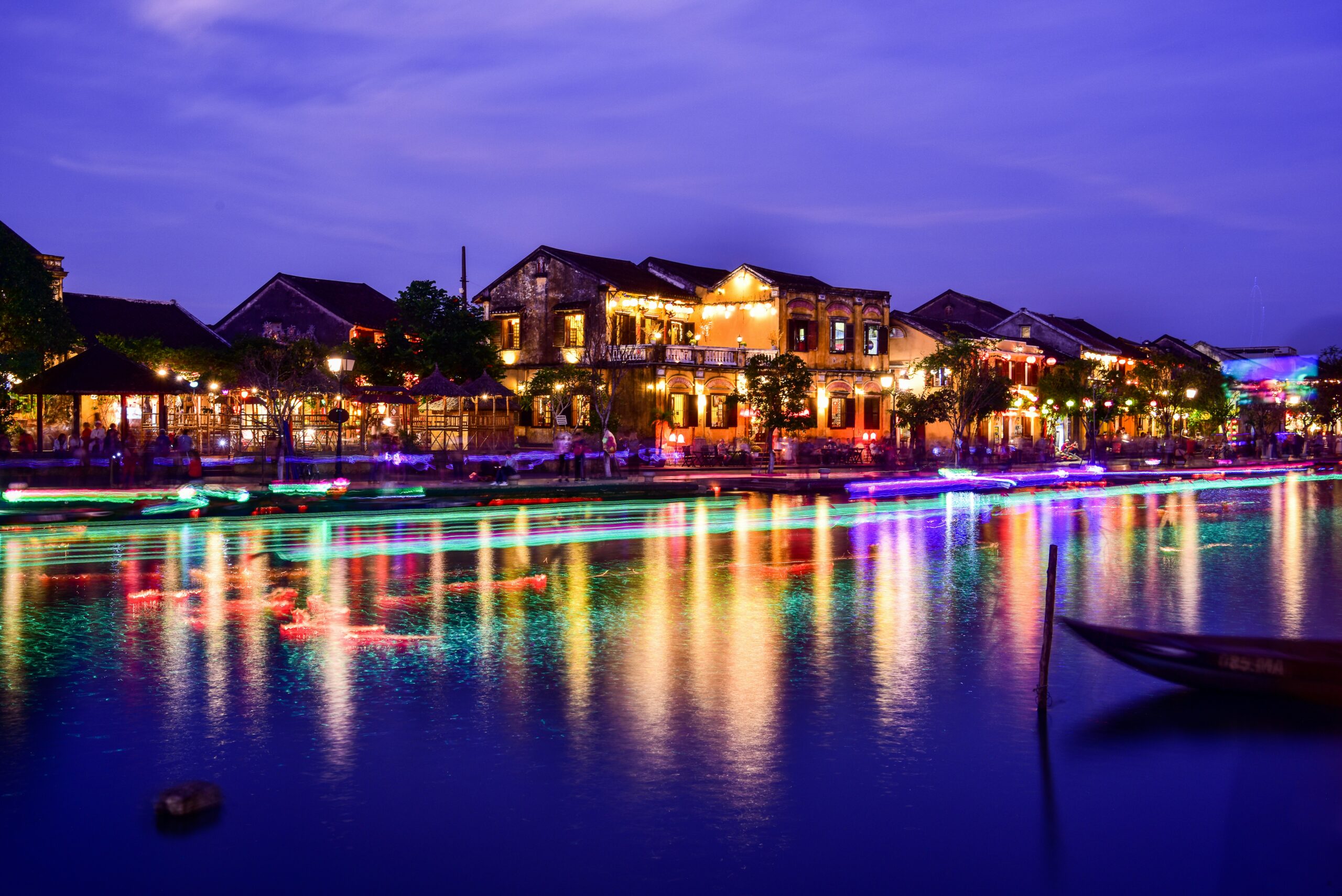
Hoi An has a concentration of craft traditions (silk, lanterns, ceramics, tailoring) and an established international artist community. No formal residency programs per se, but several informal arrangements exist through:
- Direct contact with craft workshops for extended learning residencies
- Long-term studio space rental in the Old Town area
- Co-living arrangements that provide workspace and community
NextU’s An Nhien Farm: Coming to the Hoi An area, designed specifically for creatives wanting workspace, community, and cultural immersion. Join the waitlist.
Craft Village Residencies
For visual artists, makers, and designers, the craft villages around Hanoi and in the Red River Delta offer something genuinely rare: the opportunity to learn traditional techniques from masters, in a living commercial context.
Bát Tràng Pottery Village (15km from Hanoi)
Ceramic production since the 14th century. Several workshops offer extended learning programs — you work alongside craftspeople, learn the specific Bát Tràng techniques (blue and white, celadon glazes), and produce work in their kilns. Informal arrangements possible through direct approach.
Vạn Phúc Silk Village (8km from Hanoi)
Traditional silk weaving on hand-operated jacquard looms. Not a tourist attraction — a working village where silk for Vietnamese traditional dress is still produced. Extended engagements possible.
Đông Hồ Folk Painting (35km from Hanoi)
Traditional woodblock folk printing, one of Vietnam’s most distinctive visual traditions. The village produces prints using traditional wood blocks and natural pigments. Only a few families still practice the full traditional method. Direct contact may lead to extended learning arrangements.
How to approach craft village residencies:
These are informal and relationship-based. The approach: visit several times as a visitor first, show genuine interest in the craft rather than in the exotic or photogenic qualities, be willing to pay fairly for time spent learning, and understand that you’re engaging with people’s livelihoods rather than a cultural experience product.
Self-Organized Residencies: The Most Practical Path
For most working artists, the most realistic Vietnam residency is self-organized:
Choose a neighborhood. Tây Hồ in Hanoi for painting, photography, and multimedia. Hoi An area for craft, slow work, and visual practice. Da Nang for digital-forward creative work with beach balance.
Find studio space. Monthly rentals for studio or workshop space in Vietnam are dramatically cheaper than Western equivalents. The Zone 9 complex in Hanoi has studios. The craft districts in Hoi An have workshop spaces. Landlords in residential areas may rent out garage spaces or ground floor rooms for workshop purposes.
Connect with the local art community. Gallery openings (check Facebook events for your city), art school connections, cultural centers. The Vietnamese art community is welcoming to international artists who approach with genuine interest.
Budget for a meaningful stay. A 3-month self-organized residency in Hanoi or Hoi An — apartment + studio + living costs — is achievable for $1,500–2,500/month, including everything.
What Type of Artist Benefits Most from Vietnam
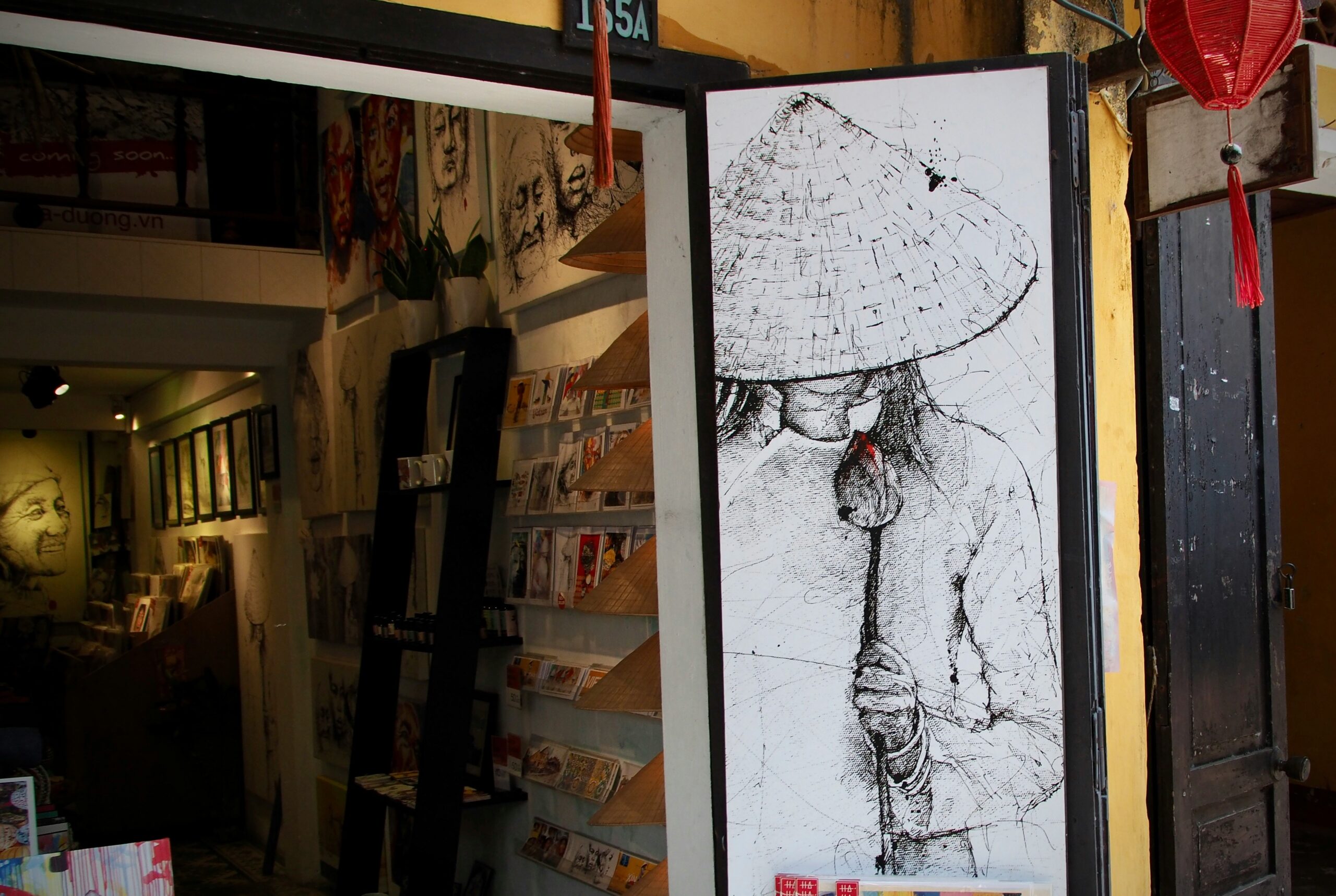
Visual artists — painters, printmakers, mixed media practitioners — find rich material in Vietnam’s visual culture, craft traditions, and landscape.
Writers — Vietnam’s complex history, current social transformation, and distinctive literary culture offer extraordinary material. The research environment (libraries, academics, community connections) is accessible to those who invest in relationships.
Photographers — The visual density of Vietnamese cities, the surviving traditional practices, the landscape — Vietnam is one of the world’s richest photographic environments. The challenge is depth vs. surface extraction.
Ceramicists and textile artists — Direct access to living craft traditions that are technically sophisticated and commercially active.
Filmmakers and documentary makers — A country in rapid transformation, with deep historical resonance and a complex relationship with its own image. Rich documentary territory.
Finding the Right Fit
Questions to ask when evaluating any Vietnam artist residency or creative program:
- What studio or workspace is actually provided? (Photos, not descriptions)
- Who else is in residence? (Community quality matters as much as facilities)
- What is the host organization’s relationship with the local art community?
- Is there a public program, and what does it require of residents?
- What does the post-residency support look like?
- What have past residents made or achieved, and can you contact them?
→ Co-Living for Creatives in Vietnam
→ Living in Hanoi as a Creative
→ What Is Conscious Co-Living?
NextU is building creative co-living in Hoi An and Hanoi for artists, makers, and creative practitioners who want community and a meaningful working environment in Vietnam. Join the waitlist.