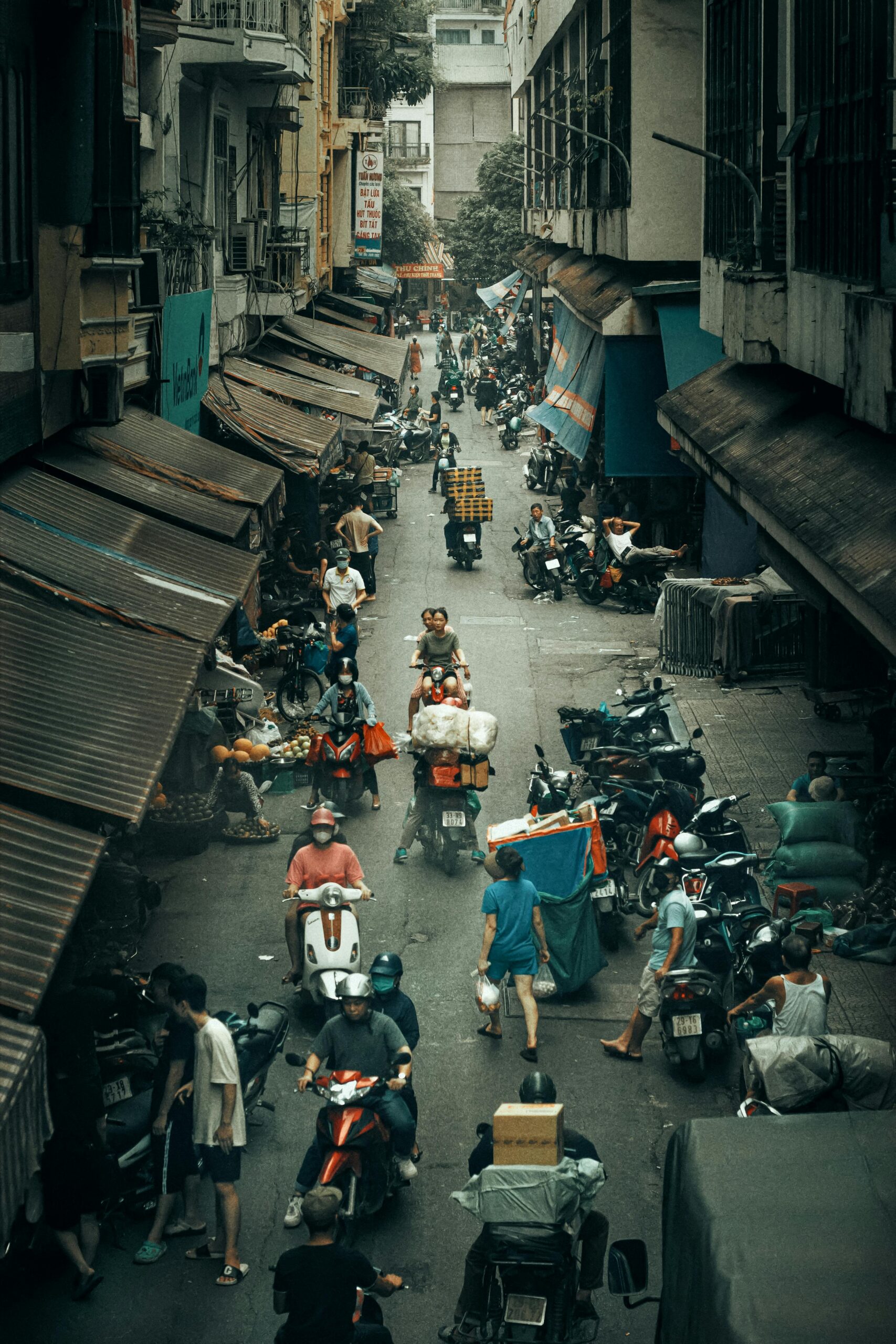

Vietnam has become one of the world’s more compelling remote work destinations, and the reasons are practical, not just aesthetic. The infrastructure has genuinely improved. The cost of living is low. The food is excellent. And the country has enough diversity — coastal cities, highland retreats, historic towns, Mekong Delta farmland — that you can live in genuinely different environments without ever leaving.
This guide covers everything you need to know to live and work remotely in Vietnam in 2026: visas, cities, accommodation, internet, banking, healthcare, community, and the things you only learn after you’ve been here a while.
Is Vietnam Good for Remote Work?
The short answer: yes, with caveats.
Vietnam’s major cities have fast, reliable internet. Co-working infrastructure has improved significantly. The cost of living is low enough that many remote workers can live well on $1,000–1,500/month. The food scene is extraordinary. The climate is warm. The people are friendly.
The caveats:
There’s no official digital nomad visa. Vietnam doesn’t have a visa category for remote workers. The e-visa gives you 90 days; after that, you need a strategy. (More on this below.)
Traffic in major cities is challenging. Hanoi and Ho Chi Minh City have notoriously dense motorbike traffic. Da Nang and Hoi An are far more manageable.
The language barrier is real. Outside major tourist areas, English isn’t widely spoken. This is less a daily problem than it sounds — Grab (the ride-hailing app), Google Translate, and the basic Vietnamese phrases go a long way — but it’s worth knowing.
Bureaucracy can be opaque. Banking, SIM cards, and some admin processes work differently than you’d expect. With the right preparation, these are solvable. Without it, they can be frustrating.
Visa: The Foundation of Your Stay
The visa question comes first because it determines how long you can stay and on what terms.
E-Visa (The Standard Path)
Since 2023, Vietnam’s e-visa has been 90 days, multiple entry, and costs $25. This is the cleanest option for most nationalities — apply online, approval in 3–5 days, valid for all international airports and most land crossings.
For stays of up to 90 days, the e-visa is sufficient. For longer stays, you need a plan.
Extended Stays (3–12 months)
The most common approaches:
90-day e-visa + visa run: Exit Vietnam briefly (fly to Bangkok, KL, or Bali; cross into Cambodia or Laos), return on a fresh e-visa. Many long-term residents do this once every 90 days. It’s legal, cost-effective (~$60–150 per round trip), and widely practiced.
Business visa (DN visa): A Vietnamese company sponsors your entry on a 6–12 month, multiple-entry business visa. The sponsor can be a company you’re consulting for, a coworking space that offers visa sponsorship as a service, or a registered business. Typical cost: $150–300 for 6–12 months.
Full details in the Vietnam Visa Guide.
Choosing Your Base City
Vietnam’s cities offer genuinely different experiences. This isn’t just about amenity lists — the character and pace of each city shapes your work and daily life differently.
Da Nang
Best for: Nomads who want maximum infrastructure + beach lifestyle.
Da Nang is the most practical city in Vietnam for remote work. Multiple coworking spaces, fast and reliable internet, a strong nomad community, and a genuinely beautiful beach (My Khe) that’s accessible from the city center. Warm and dry for most of the year. More modern and less chaotic than Hanoi or Ho Chi Minh City.
Monthly comfortable living: ~$900–1,200.
Hoi An
Best for: Creatives, people who want a slower pace, those specifically looking for beauty and depth.
Hoi An is 30km south of Da Nang and feels like a different century. The Old Town is UNESCO World Heritage-listed. The city has a smaller but intensely loyal expat community. Coworking infrastructure is more limited than Da Nang but adequate. The tradeoff — less infrastructure for more beauty and slower pace — is worth it for the right person.
Monthly comfortable living: ~$1,000–1,400.
Hanoi
Best for: People who want capital city energy, cultural depth, and access to northern Vietnam.
Vietnam’s capital is the most culturally complex of the three. The Old Quarter is chaotic and charming. The Tây Hồ / West Lake area is where most expats and long-term nomads settle — quieter, tree-lined, with excellent cafés and restaurants. Strong coworking scene. Colder in winter (actual coats required December–February, which surprises many visitors).
Monthly comfortable living: ~$900–1,200.
Ho Chi Minh City
Not covered in depth in this guide but worth mentioning: HCMC is Vietnam’s largest and most cosmopolitan city. Excellent restaurant and café scene, international infrastructure, but more expensive than Hanoi or Da Nang and more chaotic. Better choice for people who want a Southeast Asian megacity experience.
Internet and Connectivity
Vietnam’s internet infrastructure is genuinely good, especially in major cities. Fiber is widely available. Coworking spaces typically offer 30–80 Mbps speeds.
SIM Cards
Buy a SIM card on arrival at the airport or any phone shop. The major carriers:
- Viettel: Best coverage across the country, including rural areas
- Mobifone: Strong in cities, good speed
- Vietnamobile: Cheapest but narrower coverage
A data plan (10–20 GB/month) costs $5–15 USD. For full details, see the Vietnam SIM card guide.
Wifi as Backup
Most accommodation includes wifi. Quality varies enormously — ask your guesthouse or host for the actual upload speed before booking if you’ll be doing video calls.
Mobile Data as Primary
An increasing number of nomads use mobile data (with a portable 4G/5G router or phone hotspot) as their primary connection, supplementing with coworking wifi during peak call hours. Vietnam’s 4G/5G networks are fast enough for this.
Accommodation
Short Stays (Under 2 Weeks)
Hotels, guesthouses, and Airbnb. The quality-to-cost ratio is remarkable — in Da Nang, you can get a clean, air-conditioned hotel room for $20–35/night, or a guesthouse for $15–25.
Medium Stays (2 Weeks to 2 Months)
Monthly apartment rentals through platforms like Airbnb, local Facebook groups (search “apartments for rent [city name]”), or walking neighborhoods and calling numbers on window signs. Monthly rates are 30–50% cheaper than Airbnb’s nightly rates.
Typical costs:
– Studio apartment (basic, local area): $200–350/month
– 1BR apartment (comfortable, near expat areas): $350–550/month
– Serviced apartment: $600–1,000/month
Long Stays (3+ Months)
If you’re committing to 3+ months in one place, it’s worth investing in finding the right apartment rather than defaulting to convenience. Local real estate agents exist in every city (their commission is typically paid by the landlord). Facebook groups, Cộng (co-living), and local property sites list more options than international platforms.
Co-Living
Co-living is growing in Vietnam, particularly in Da Nang and Hoi An. The format — private room, shared workspace, community programming — suits the nomad model well. Costs range from $400–800/month depending on quality and included amenities.
NextU is building co-living properties across Vietnam specifically for creatives and intentional travelers. Join the waitlist to hear about locations as they open.
Banking and Money
ATMs and Cash
Vietnam is still largely cash-dependent for daily transactions — street food, local restaurants, small vendors, markets. ATMs are widely available in major cities and tourist areas. Most accept Visa and Mastercard.
ATM fees: Most machines charge 30,000–50,000 VND ($1.20–2) per withdrawal. Some banks have daily limits of 3–5 million VND per transaction.
International Cards
Revolut, Wise, and similar international cards work in Vietnam. The Wise account is widely used by nomads — you can hold VND, convert at close-to-interbank rates, and withdraw without the high foreign transaction fees of most home-country cards.
Opening a Vietnamese Bank Account
Possible but requires: a passport, a valid long-stay visa (or TRC), and in some banks a Vietnamese phone number and address. Vietcombank and Techcombank are the most nomad-friendly options. A local account lets you pay utility bills, rent, and some services more easily — worth having for stays of 3+ months.
Full details in the Banking in Vietnam guide.
Healthcare
Vietnam has hospitals and clinics across all major cities. Quality varies:
- International hospitals in Hanoi and Ho Chi Minh City (Vinmec, FV Hospital, Columbia Asia): International-standard care, English-speaking staff, higher cost
- City hospitals: Variable quality but affordable
- Clinics: For routine care, GP consultations, and minor issues
Health insurance is not optional. International health insurance that covers Vietnam costs $40–100/month depending on your age, coverage level, and provider. This is non-negotiable — hospital costs without insurance are significant.
Common providers used by nomads in Vietnam: SafetyWing, World Nomads, Cigna Global.
Full details in the Healthcare in Vietnam guide.
Community and Social Life
Finding community in Vietnam varies by city. A few paths:
Coworking spaces are the most reliable entry point. Within a week or two of working in a Da Nang or Hanoi coworking space, you’ll have met people. Events at spaces accelerate this.
Facebook groups remain active for Vietnam nomad communities. Search: “Digital Nomads Vietnam,” “Expats in Da Nang,” “Nomads in Hoi An.”
Telegram groups have increasingly replaced Facebook groups for day-to-day community. Ask in any coworking space about which groups are currently active.
Events and meetups happen regularly in Da Nang and Hanoi — weekly language exchanges, monthly nomad meetups, occasional skills workshops. Coworking spaces typically advertise these.
Co-living communities like NextU are built specifically to solve the community gap — bringing together creatives, founders, and seekers in shared living environments with programming designed for connection. This is the depth option, for people who want more than professional acquaintances.
The Rhythm of Working Remotely from Vietnam
This is advice rather than information, but worth including.
Vietnam rewards people who engage with it. The best experiences come from living inside the culture to whatever degree you can — eating where locals eat, learning a handful of Vietnamese words, cycling through neighborhoods rather than Grabbing everywhere, participating in the rhythms of the city.
Nomads who arrive in Vietnam and recreate their home-country routine (same working hours, same food preferences, same social habits) often find Vietnam fine but not particularly special. Those who let the country shape their days — adapting to the heat, learning which market has the best phở, taking the slow overnight train instead of the fast flight — find something more.
The slow approach to remote work that Vietnam rewards is both a practical strategy (prevents burnout, improves quality of life) and a disposition that aligns with why many people chose this country in the first place.
Quick Start Checklist for Vietnam Remote Workers
- [ ] E-visa approved before travel (apply at immigration.gov.vn)
- [ ] International health insurance purchased
- [ ] Viettel or Mobifone SIM on arrival (airport or city phone shop)
- [ ] Wise or Revolut card set up for international transactions
- [ ] Accommodation booked for first week; then explore monthly options
- [ ] Coworking day pass for the first week (test spaces before committing to a month)
- [ ] Facebook group for nomads in your city joined before arrival
Last updated June 2026. Guide reviewed for accuracy at the 6-month mark.
Want community, not just a desk? NextU is building co-living spaces across Vietnam for people who want to work, grow, and connect intentionally. Join the waitlist.