Personal Growth Retreats in Vietnam: A Curated Guide
Vietnam has a growing retreat landscape — wellness, meditation, yoga, transformational programs, and nature-based experiences that attract people from across Asia and beyond. The country’s combination of natural diversity, Buddhist cultural foundation, and relatively low cost makes it a genuine destination for this kind of work.
This guide is curated rather than comprehensive — focused on the types of retreats that genuinely support personal development rather than just relaxing in beautiful surroundings (which is valuable, but different).
What Makes a Personal Growth Retreat Effective
Before listings, a framework. Not all retreats produce lasting change. The ones that do tend to share some features:
A container strong enough to hold discomfort. Personal growth involves encountering yourself in ways that can be uncomfortable. A good retreat creates structure — schedule, community agreements, guidance — that allows you to go into uncomfortable territory safely rather than being overwhelmed by it.
Long enough to get past the surface. Three days is a holiday. Seven days is when things start to move. Longer retreats — 10 days, two weeks, a month — create the conditions for genuine transformation rather than just resetting.
A clear frame, honestly described. The best retreat operators are specific about what their program is and isn’t, what approach they use, and what outcomes are realistic. Be skeptical of programs with vague transformational language and no clear method.
Community, not just instruction. The people on retreat with you matter as much as the facilitators. A well-curated group — people at similar life stages, with compatible questions — is part of what makes the experience valuable.
Integration support. What happens when you go home? The retreat experience is only valuable if it changes how you actually live afterward. Programs that offer post-retreat integration support (coaching calls, community, structured reflection) produce more durable results.
Types of Personal Growth Retreats in Vietnam
Meditation and Mindfulness Retreats
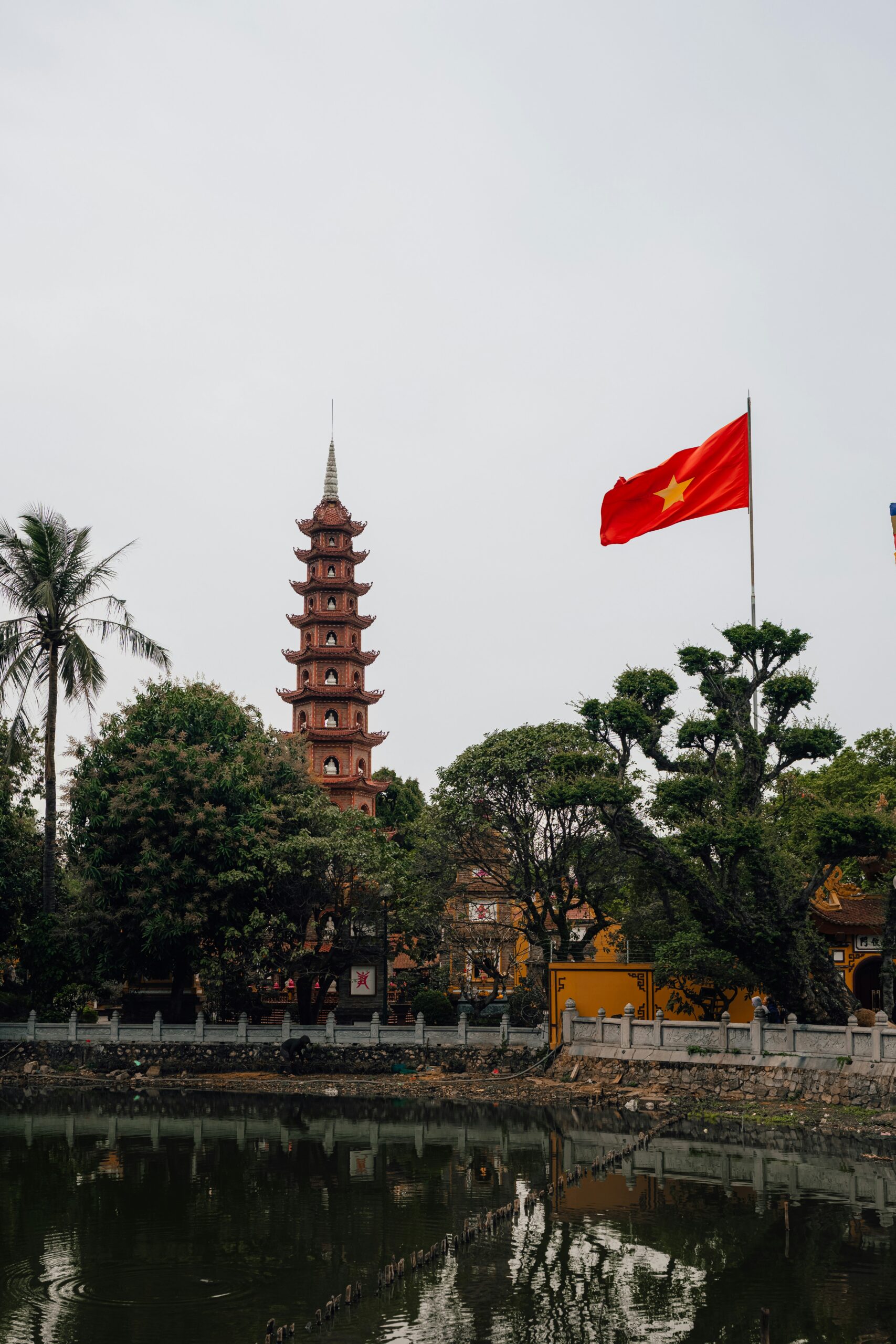
Vietnam has a strong Buddhist tradition — Zen (Thiền) Buddhism has Vietnamese roots, and the country has significant Theravada and Mahayana communities. Several centers offer structured meditation programs for international visitors.
What to look for: Programs that offer instruction in a specific technique (Vipassana, Zen inquiry, body-based mindfulness) rather than “general meditation.” The technique matters because it gives you something to practice after you leave.
Notable format: 10-day Vipassana courses (S.N. Goenka tradition) operate in Vietnam and are free (participants donate at the end). These are rigorous — no talking, early mornings, 10 hours of meditation daily — and genuinely transformative for people willing to commit. Not for first-time meditators; better as a deepening practice.
Location consideration: Northern Vietnam (the cooler highlands, the quieter mountain regions) tends to host more meditation-focused programs. Lang Son, the northwest mountains, and the Central Highlands all have retreat centers in natural settings.
Yoga Retreats
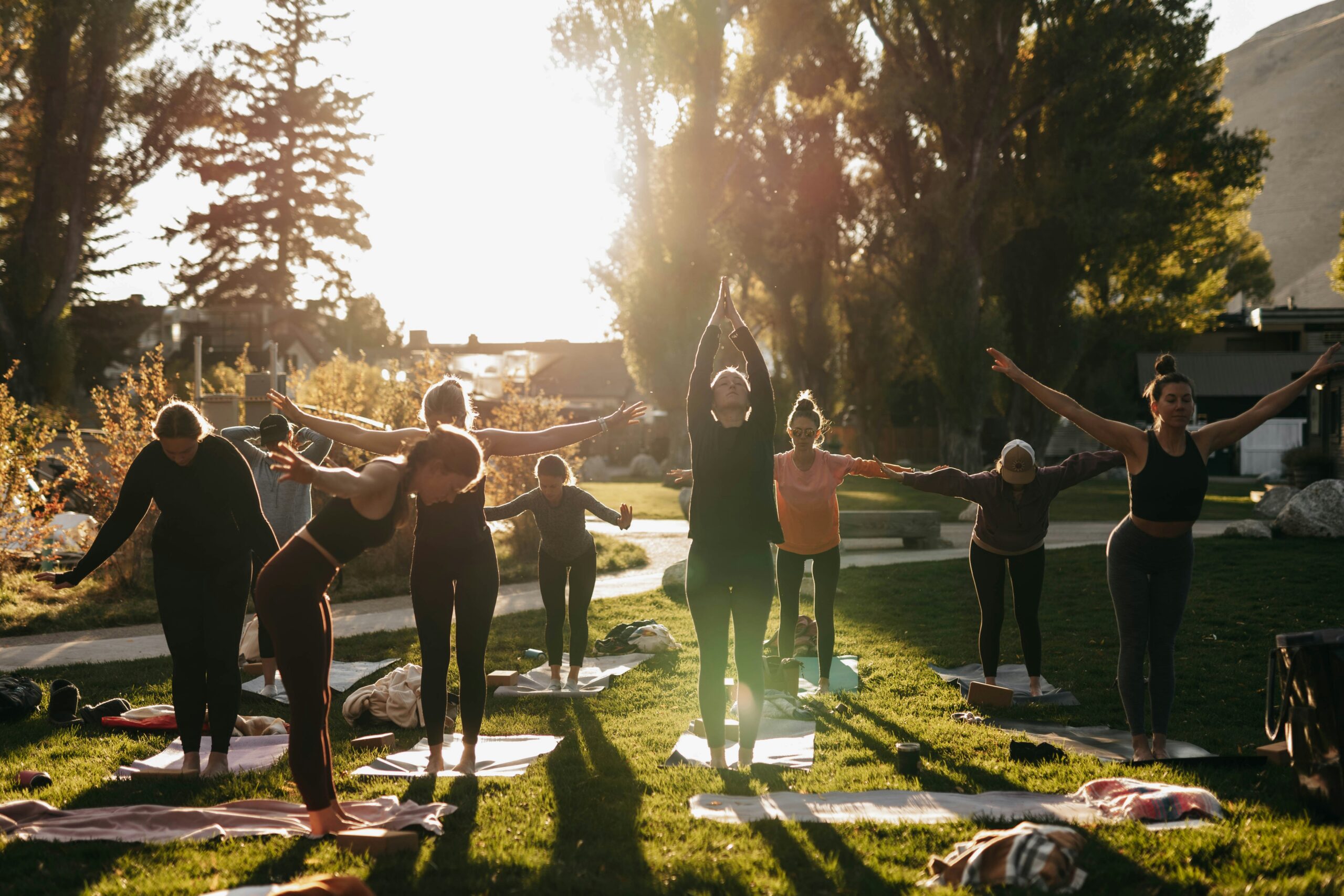
The most widely available format in Vietnam, particularly in Hoi An and Da Nang. Quality ranges from holiday-yoga-and-brunch packages to serious asana and philosophy programs.
For genuine practice rather than a wellness holiday: Look for programs with structured daily schedules, specific style instruction (Ashtanga, Iyengar, Yin, Kundalini), and teachers with verifiable lineage and training. The more serious programs are typically residential, week-long minimum.
Best regions: Hoi An and Da Nang have the most options in central Vietnam. Mũi Né and the south offer additional options. Some highland farmstay environments are beginning to offer retreat programs.
Transformational and Personal Development Retreats
A broader category that includes programs based in somatic (body-based) work, journaling and writing, breathwork, group therapy-adjacent processes, and various hybrid approaches.
These programs vary enormously in quality, method, and seriousness. The differentiators:
- Does the facilitator have verifiable training in their method?
- Is the group size appropriate for the work (smaller groups = more individual attention)?
- Is there clear intake and screening to ensure participants are appropriate for the program?
- Is there genuine aftercare and integration support?
Vietnam specifically: Several organizations run leadership and personal development retreats aimed at professional audiences — founders, executives, people in career transitions. These often combine coaching frameworks with nature immersion, community activities, and structured reflection. The format suits Vietnam well because the natural settings provide genuine environmental contrast from normal professional life.
Nature Immersion and Eco-Retreat Programs
Not always labeled as personal growth retreats, but functioning as such: extended stays in natural environments designed to recalibrate your relationship with pace, technology, and yourself.
Vietnam’s highland and forest environments — particularly in the Central Highlands, the northwest mountains, and forested areas of the north — offer settings that are increasingly being used for this purpose.
What distinguishes these from eco-tourism: The residential format (a week minimum), the structured unplugging (reduced or no phone access during certain periods), and the integration of the natural environment as active teacher rather than passive backdrop.
NextU’s approach: At Vietherb in Lang Son — a 5-hectare herbal forest retreat in northern Vietnam — the program philosophy is “Root – Reflect – Rise.” Nature immersion, traditional Vietnamese herbal and wellness practices, and structured reflection time create conditions for the kind of slow, deep personal work that isn’t available in urban settings. Hear when this opens.
Curated Retreat Options in Vietnam (2026)
Note: This list includes both long-standing programs and emerging options. Verify current programming and availability directly with each operator before booking.
For Meditation and Buddhist Practice
- Bamboo Grove Retreat (Ninh Bình): Near the ancient capital of Hoa Lư, in a natural setting with Buddhist practice and meditation available to international visitors. Quiet, serious, accessible for non-practitioners.
- Plum Village Vietnam (HCMC and surroundings): Following Thich Nhat Hanh’s Plum Village tradition. Days of mindfulness, dharma talks, and community practice. Structured and accessible.
- Vipassana Centers (various locations): 10-day residential programs in the Goenka tradition. Free. Check the official Vipassana Vietnam website for current schedules and locations.
For Yoga
- Hoi An Yoga and Wellness Operators: Multiple operators in Hoi An offer residential yoga retreat weeks. Research current offerings through the Hoi An expat community or direct search — the market is active and programs change seasonally.
For Nature and Eco-Based Work
- Central Highlands operators: Đà Lạt area has several retreat centers using highland nature settings for personal development and wellness programs.
- NextU — Vietherb Retreat, Lang Son: Opening in 2026. Herbal forest environment, traditional wellness, “Root – Reflect – Rise” framework. Join the waitlist.
Practical Advice for Choosing a Vietnam Retreat
Visit the operator’s social media and look at who’s actually there. The community of previous participants tells you more than marketing copy. Are they your kind of people? Does the vibe resonate?
Ask directly about facilitator qualifications. “Certified” means nothing without context. What tradition? What training? How long? With whom?
Read the full schedule before booking. A personal growth retreat that has 4 hours of unstructured free time and 2 hours of structured work per day is a holiday with meditation attached. A real program is more demanding than comfortable.
Budget realistically. Serious retreat programs in Vietnam cost $800–3,000+ for a week, depending on accommodation standard and program intensity. This is significantly cheaper than equivalent programs in Europe or the US. Anything much cheaper may be cutting corners on facilitation quality.
Plan for integration. What will you do differently in the month after the retreat? What practice will you sustain? A retreat without a plan for integration is a peak experience that fades. Think about this before, not after.
A Note on What Retreats Are For
Personal growth retreats are not fixes. They’re not transformations you receive passively. They’re concentrated periods of self-examination and practice that, combined with the ongoing work of living differently afterward, create the conditions for genuine change.
The best retreats create a shift in perspective, a new access to something that was always available, a loosening of patterns that had become invisible. What you do with that shift when you leave determines whether the retreat was worthwhile.
Vietnam offers an extraordinary setting for this kind of work — natural, culturally rich, affordable, and genuinely different from the environments most participants come from. Used intentionally, it’s one of the better places on earth to do it.
→ What Is Intentional Living?
→ Slow Living in Vietnam
→ What Is Conscious Co-Living?
NextU is developing retreat experiences at several Vietnam locations, including Vietherb in Lang Son. Join the waitlist to hear about programs as they become available.